
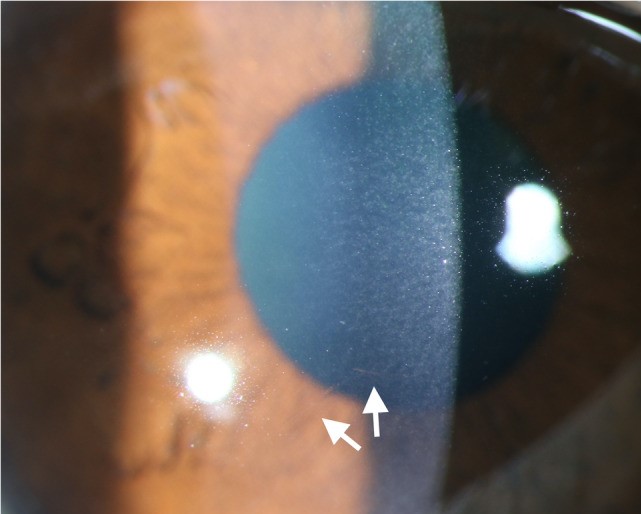
Frostbite of the eye and periocular tissue is genuinely uncommon, given that blinking, tearing, and the relatively warm, well-perfused tissue surrounding the globe offer the eye meaningful natural protection against cold injury that more exposed skin lacks, but severe, prolonged cold exposure, particularly in extreme environments, can still overcome these defenses, producing real, sight-threatening injury.
Why the Eye Is Relatively, But Not Completely, Protected
The eye benefits from several protective factors against cold injury that more exposed body surfaces lack: continuous tear film circulation helps maintain surface temperature, blinking provides mechanical protection and further supports tear film renewal, and the eye’s position, recessed within the orbit and surrounded by well-vascularized periocular tissue, offers some degree of shielding from direct, sustained environmental exposure.
These protective factors mean that frostbite affecting the globe itself is rare, with periocular skin and eyelid tissue considerably more vulnerable to true frostbite injury, though severe, prolonged exposure, particularly in extreme cold combined with high wind or wet conditions that overcome the tear film’s protective warming effect, can still injure the cornea directly in severe cases.
Risk Factors and Settings
- Extreme cold weather exposure, particularly at high altitude, where reduced atmospheric temperature combines with other risk-amplifying environmental factors
- Prolonged outdoor exposure without adequate eye protection in severely cold conditions
- Wind exposure, which accelerates heat loss from exposed tissue surfaces beyond what still, cold air alone would produce
- Contact with extremely cold metal or other materials directly against periocular skin
- Impaired ability to recognize or respond to early cold injury symptoms, including from altered mental status, substance use, or certain medical conditions affecting sensation or judgment
All-fit Slit-Lamp Adapter
Record and share exactly what you see at the slit lamp. One adapter fits any slit lamp or surgical microscope — and any smartphone.
From Choroida — the team behind this siteClinical Features
Periocular and Eyelid Involvement
- Initial pallor, numbness, and firmness of the affected periocular skin, progressing, with continued exposure, to more severe tissue injury
- Blistering, and in severe cases, tissue necrosis, following a course and severity staging broadly similar to frostbite affecting skin elsewhere on the body
Corneal Involvement
- In severe cases with direct corneal cold exposure, epithelial defects, stromal edema, and, in the most severe injuries, deeper stromal damage can occur
- Pain, photophobia, and reduced vision accompany significant corneal involvement
Diagnostic Evaluation
- A history of significant cold exposure, particularly in a relevant setting such as high-altitude activity, severe winter weather exposure, or prolonged outdoor exposure in extreme conditions
- Careful examination of both the periocular skin and the globe itself, assessing the extent and depth of any tissue injury
- Fluorescein staining to assess for any corneal epithelial defect when corneal involvement is suspected
- Assessment for and management of any associated systemic hypothermia or other cold-related injury, given that ocular frostbite often occurs in the context of a broader cold exposure event with implications extending well beyond the eye
Management
Rewarming
Gentle, controlled rewarming of affected periocular tissue is a central principle of frostbite management generally, avoiding overly rapid rewarming or any re-exposure to cold before rewarming is complete, since cycles of freezing and rewarming worsen tissue damage compared with a single freezing episode followed by appropriate, complete rewarming.
Supportive Ocular Care
- Lubrication and protection of the ocular surface, particularly important if eyelid involvement is affecting normal blink function and corneal protection
- Topical antibiotic prophylaxis and monitoring for any corneal epithelial defect, managed following general principles for epithelial defect care
- Pain control, given that frostbite injury and the subsequent rewarming process can both be significantly painful
Managing Periocular Tissue Injury
Severe periocular frostbite with tissue necrosis may require staged management, including delayed assessment of the full extent of tissue viability (since the true extent of frostbite injury is often not immediately apparent and becomes clearer over the following days) and, when needed, reconstructive surgical management of any resulting tissue loss, generally deferred until the full extent of injury has declared itself.
Prevention advice
In cold environments, use goggles or a mask, avoid touching metal with bare skin, and take shelter from wind. Keep moisture away from the skin, and stay hydrated and nourished. Any person with numbness or pallor of the face should warm up gradually and seek care. After exposure, examine for corneal injury if there is pain or blurred vision, and treat as for any epithelial defect.
Prognosis
Mild to moderate periocular frostbite generally resolves well with appropriate rewarming and supportive care, without lasting functional or cosmetic consequence in most cases.
More severe injuries, with significant tissue necrosis or corneal involvement, carry a more guarded prognosis and may require staged reconstructive management, underscoring the value of eye protection in genuinely extreme cold environments and prompt, appropriate management when significant cold exposure injury to the periocular region does occur.
Document what you see
Two smartphone imaging tools built for everyday clinic use — one for the slit lamp, one for the fundus.
From Choroida — the team behind this siteReferences
- McCauley RL, Hing DN, Robson MC, Heggers JP. Frostbite injuries: a rational approach based on the pathophysiology. J Trauma. 1983;23:143-147.
- Murphy JV, Banwell PE, Roberts AH, McGrouther DA. Frostbite: pathogenesis and treatment. J Trauma. 2000;48:171-178.
- Handford C, Buxton P, Russell K, et al. Frostbite: a practical approach to hospital management. Extrem Physiol Med. 2014;3:7.
- Nakra T, Simon GJ, Guiloff S, et al. Corneal and eyelid frostbite following high altitude exposure. Orbit. 2014;33:462-464.
