
Checkpoint inhibitor uveitis is intraocular inflammation triggered by immune checkpoint inhibitor therapy for cancer, and it belongs to a broader family of immune-related adverse events that follow these drugs.
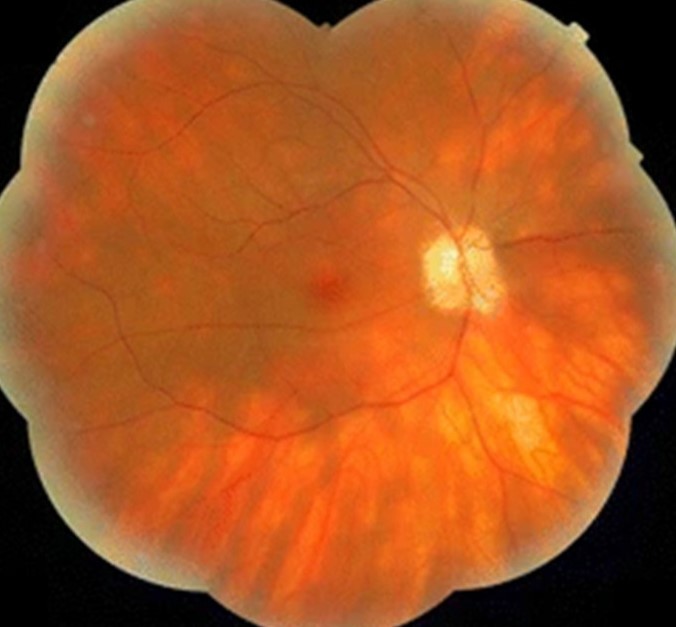
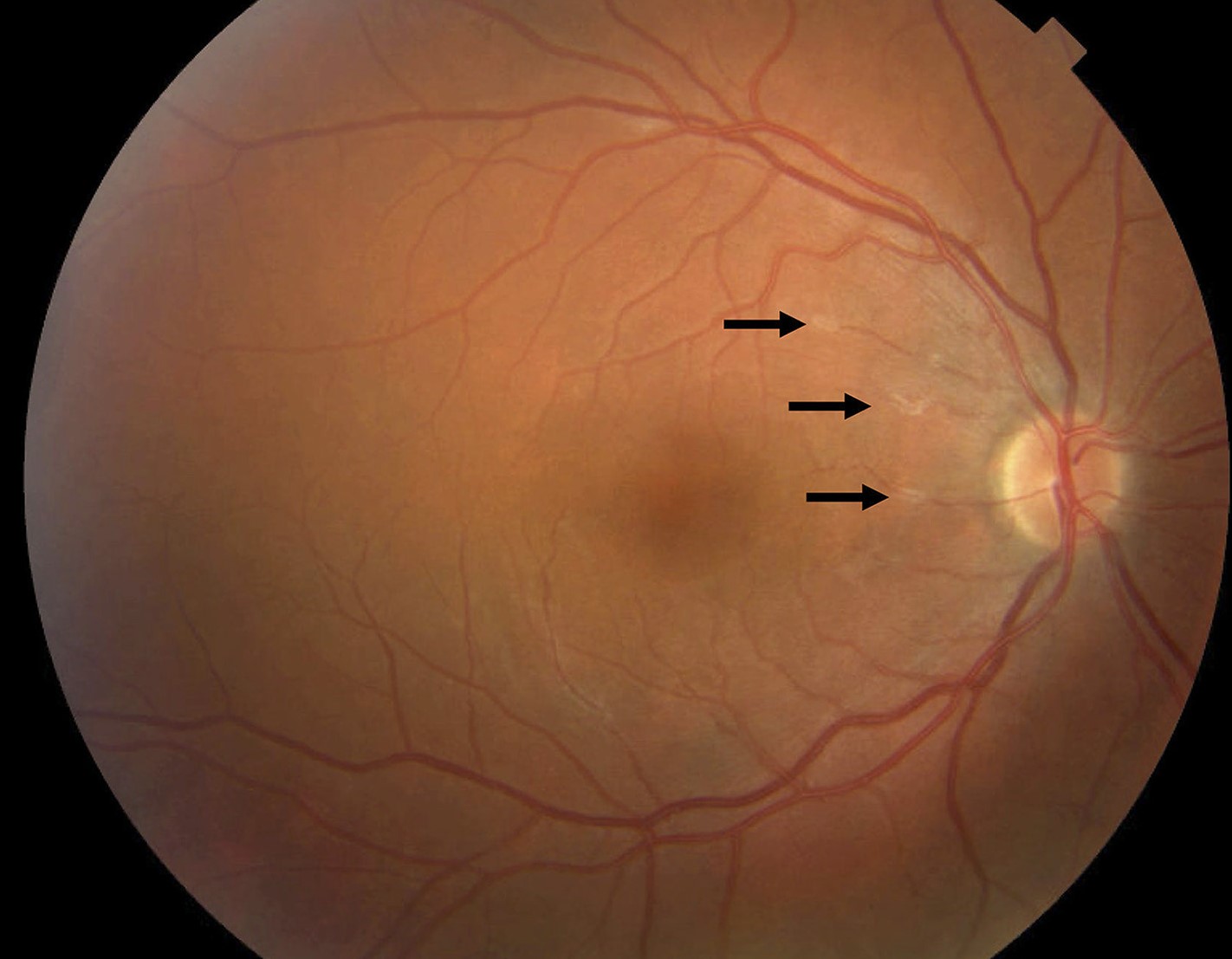
As checkpoint inhibitors have moved into earlier lines of cancer treatment, ophthalmologists see this complication more often, and oncologists depend on a prompt eye assessment to keep therapy on track when possible.
What Are Checkpoint Inhibitors?
Checkpoint inhibitors block regulatory pathways that normally restrain T-cell activation, including CTLA-4, PD-1, and PD-L1.
Releasing this brake improves antitumor immunity, but it can also unmask autoimmune-like reactions against normal tissue.
Ipilimumab, nivolumab, pembrolizumab, and related agents are all associated with ocular immune-related adverse events, and combination regimens carry a higher risk than single-agent therapy.
Ocular Presentation
Uveitis can appear at any point during treatment, from the first infusion to many months later.
- Anterior uveitis is the most common pattern, often mild to moderate
- Posterior and panuveitis occur less often but are more visually threatening
- A Vogt-Koyanagi-Harada-like picture has been described, with bilateral posterior uveitis, exudative retinal detachment, and sometimes skin or hearing changes (see VKH disease)
- Scleritis and orbital inflammation are reported less frequently
Patients may also have dry eye, and some develop other immune-related adverse events at the same time, such as colitis, hepatitis, or thyroiditis.
Grading and Workup
Ophthalmic assessment should record visual acuity, anterior chamber activity, and a dilated fundus examination.
OCT identifies macular edema and subretinal fluid, and fluorescein angiography helps when a VKH-like picture is suspected.
Grading follows common toxicity criteria used in oncology, which guide whether the checkpoint inhibitor is continued, held, or stopped.
Infectious and other causes of uveitis should still be considered, particularly in patients with risk factors, since the diagnosis of an immune-related adverse event does not exclude a coincidental infection.
Management
Mild Anterior Uveitis
Topical corticosteroids and cycloplegics usually control grade 1 to 2 anterior uveitis, and the checkpoint inhibitor can often continue with close monitoring.
Moderate to Severe Disease
More significant inflammation, posterior involvement, or a VKH-like presentation usually needs systemic corticosteroids, and the oncology team decides whether to interrupt therapy.
Steroid-sparing agents are used for recurrent or steroid-dependent disease, chosen in coordination with oncology because of potential interactions with cancer treatment.
Multidisciplinary Coordination
Management works best as a shared decision between ophthalmology and oncology, weighing the severity of the eye disease against the benefit of continuing an effective cancer therapy.
Many patients can restart the checkpoint inhibitor after the uveitis is controlled, sometimes with a lower threshold for prophylactic topical steroid use.
Differential Diagnosis
- Metastatic disease to the uvea or orbit, which needs to be excluded in a cancer patient with new eye findings
- Infectious uveitis
- Paraneoplastic retinopathy, which has a different mechanism and appearance (see cancer-associated retinopathy)
- Radiation-related ocular effects if the patient has had orbital or brain radiotherapy
A new fundus lesion in a cancer patient should not be assumed to be inflammatory without imaging to exclude metastasis.
Prognosis
Most cases respond well to treatment, and visual outcomes are generally good with prompt recognition.
Delayed diagnosis, particularly of posterior or VKH-like disease, carries a higher risk of permanent visual loss.
Ophthalmologists should maintain a low threshold to evaluate any visual symptom in a patient on checkpoint inhibitor therapy.
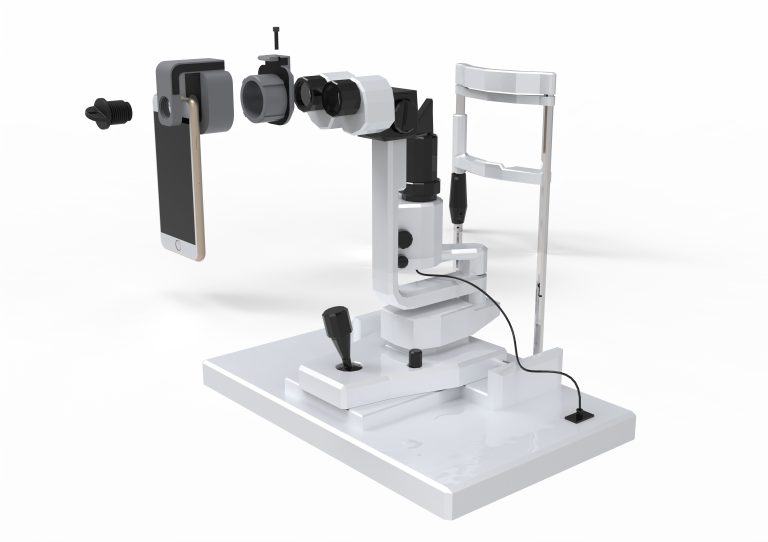
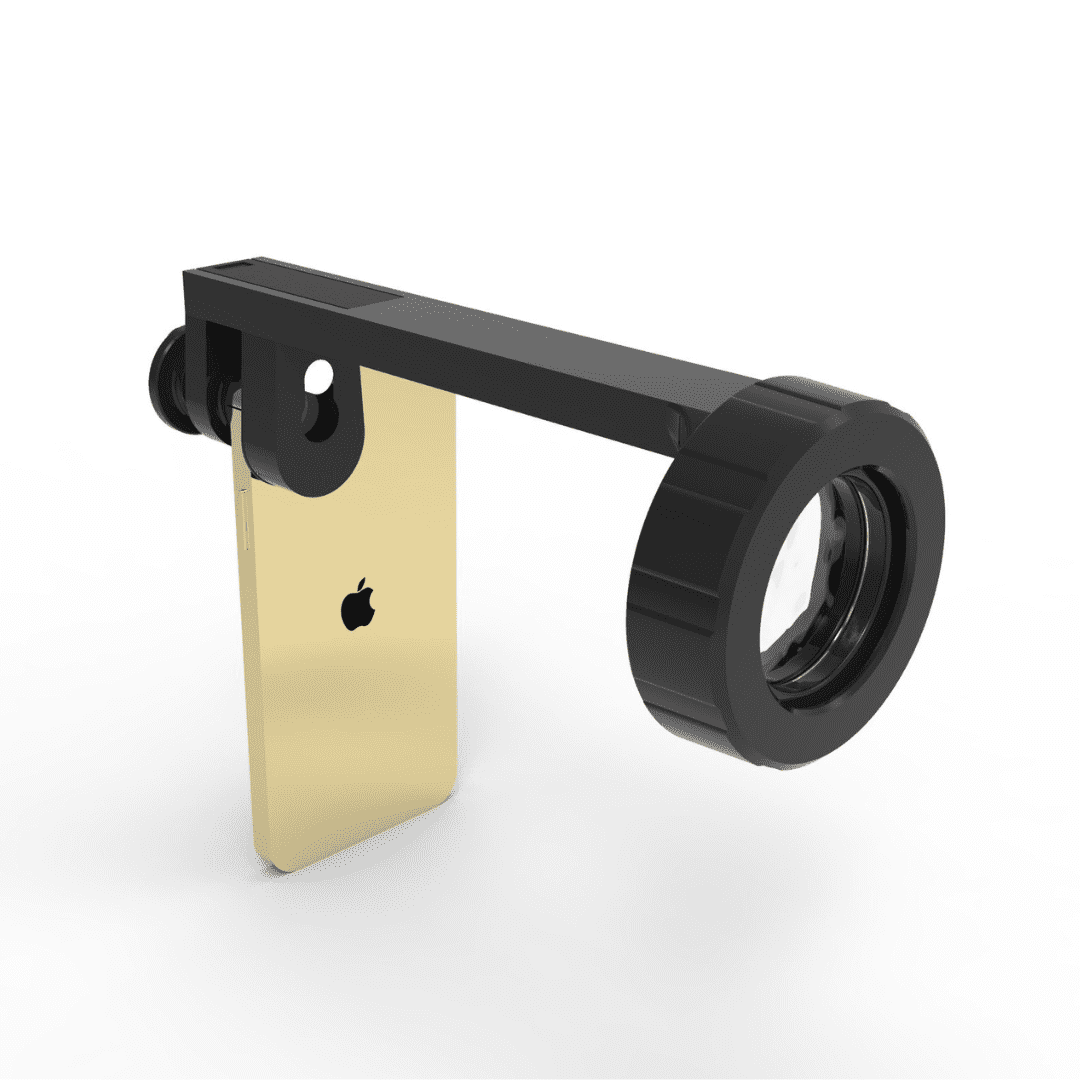
Document what you see
Two smartphone imaging tools built for everyday clinic use — one for the slit lamp, one for the fundus.
From Choroida — the team behind this siteReferences
- Dalvin LA, Shields CL, Orloff M, Sato T, Shields JA. Checkpoint inhibitor immune therapy: systemic indications and ophthalmic side effects. Retina. 2018;38:1063-1078.
- Fang T, Maberley DA, Etminan M. Ocular adverse events with immune checkpoint inhibitors. J Curr Ophthalmol. 2019;31:319-322.
- Bricout M, Petre A, Amini-Adle M, et al. Vogt-Koyanagi-Harada-like syndrome complicating pembrolizumab treatment for metastatic melanoma. J Immunother. 2017;40:77-82.
- Antoun J, Titah C, Cochereau I. Ocular and orbital side-effects of checkpoint inhibitors: a review article. Curr Opin Oncol. 2016;28:288-294.
