Contact lens hygiene prevents most serious lens-related infections.
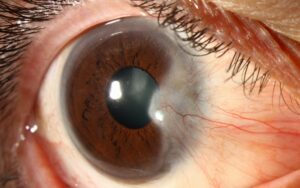
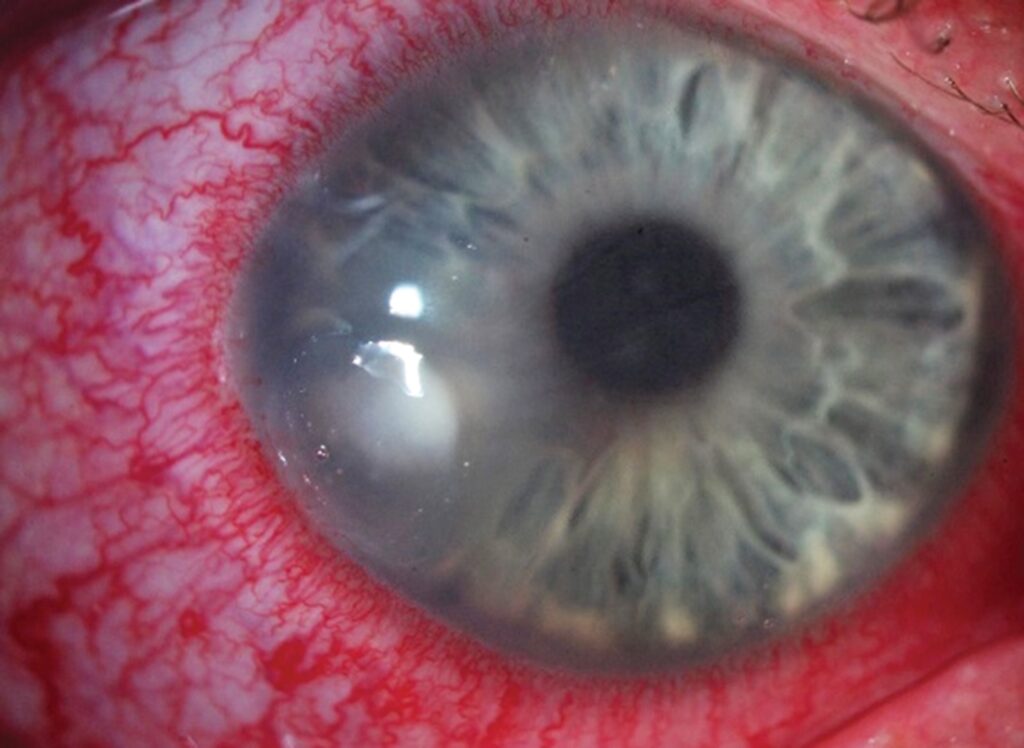
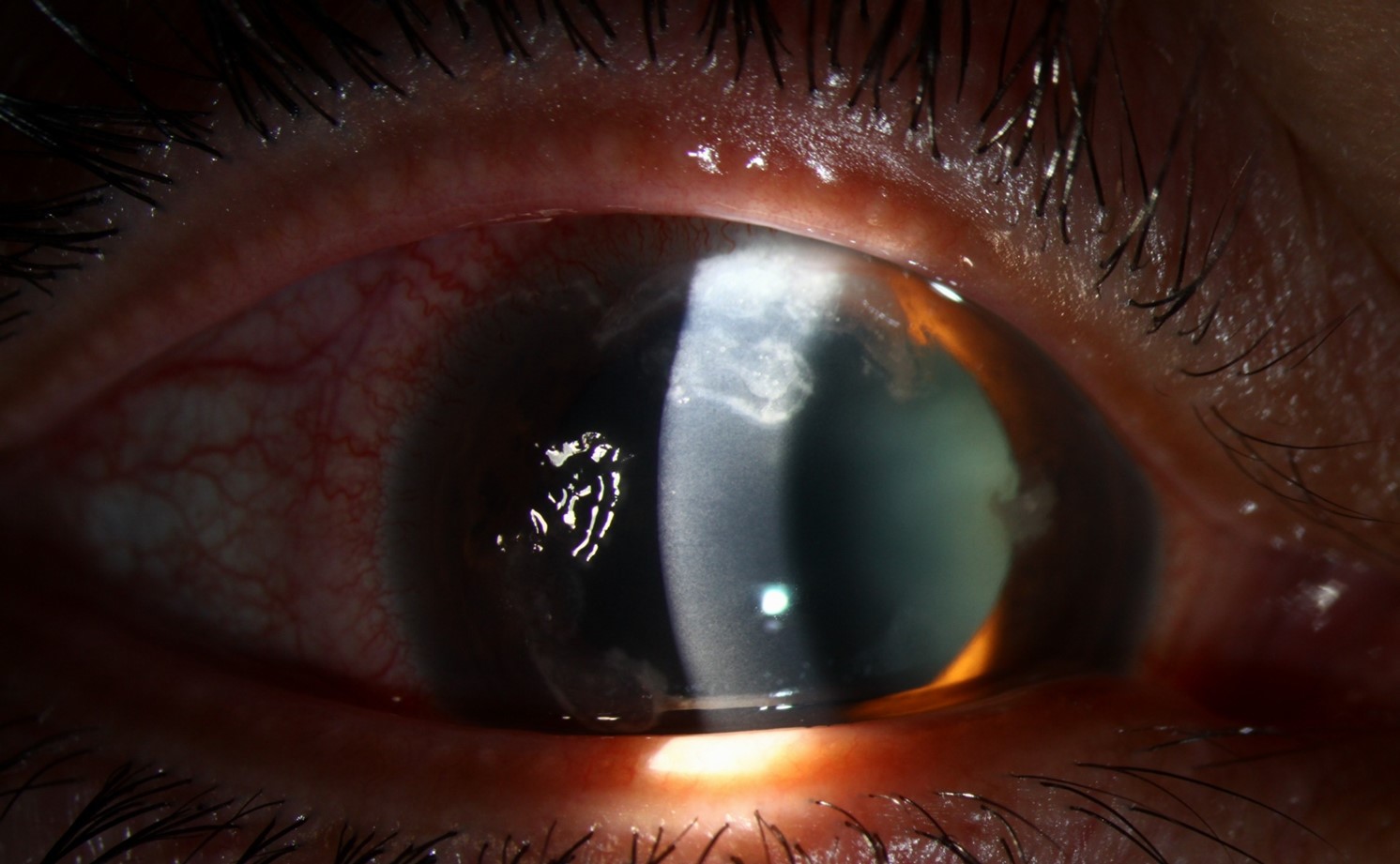
Microbial keratitis can scar the cornea and reduce vision for life.
Most cases follow avoidable habits.
Why Contact Lens Hygiene Matters
Lenses hold bacteria and amoebae against the corneal surface.
A small epithelial break then lets them invade.
Poor hygiene multiplies the risk.
Therefore, teach it at every fitting.
Hand Washing
Wash and dry hands before touching lenses.
Use plain soap and a lint-free towel.
Avoid moisturizing soaps that leave residue.
This single habit lowers contamination.
All-fit Slit-Lamp Adapter
Record and share exactly what you see at the slit lamp. One adapter fits any slit lamp or surgical microscope — and any smartphone.
From Choroida — the team behind this siteRub and Rinse
Rub each lens gently with solution after removal.
Then rinse it with fresh solution.
This step removes debris and reduces microbes.
Also, never reuse old solution.
Lens Case Care
Cases grow biofilm and need regular care.
Empty the case after insertion and rinse it with fresh solution.
Let it air dry and replace it every three months.
Therefore, a worn case is a common source of infection.
Water and Contact Lenses
Never expose lenses to tap water.
Remove lenses before showering, swimming or using a hot tub.
Water carries Acanthamoeba and other organisms (see Acanthamoeba keratitis).
Also, never rinse a lens in water.
Sleeping in Lenses
Overnight wear raises the risk of keratitis.
Even extended-wear lenses carry added risk.
Therefore, advise removal at night.
Review the habit at each visit (see contact lens overwear syndrome).
Replacement Schedules
Daily disposable lenses remove the need for solution and case care.
Replace monthly and biweekly lenses on time.
Overuse increases deposits and infection risk.
So match the schedule to the patient.
Make-Up and Lenses
Insert lenses before applying make-up.
Remove them before removing make-up.
Avoid products that flake into the eye.
Also replace cosmetics regularly.
Red Flags
Pain, redness, light sensitivity or reduced vision need urgent review.
Patients should remove the lens and not wear it again.
Also, they should bring the case and solution.
Therefore, early care prevents scarring.
Contact Lens Hygiene in Teenagers
Teenagers often skip steps or share lenses.
Parents should supervise handling.
Daily disposables simplify care.
Also, set clear rules about sleeping in lenses.
Counseling Checklist
Review hand washing, rub and rinse, case care, water exposure and sleep.
Give the patient a written summary.
Also review again at each annual visit.
In this way, habits stay fresh.
Pitfalls to Avoid
- Do not tell patients to top off old solution
- Never let lenses touch tap water
- Avoid extended wear without review
- Do not delay review of a painful red eye
Contact Lens Hygiene and Solutions
Use only the solution that matches the lens material.
Multipurpose solutions differ in how well they kill microbes.
Hydrogen peroxide systems are effective but need a special case.
Therefore, follow the manufacturer instructions exactly.
Contact Lens Hygiene Around Water Sports
Swimming with lenses exposes the eye to contaminated water.
Goggles reduce the risk.
Daily disposables can be thrown away after swimming.
So advise single-use lenses for water activities.
Contact Lens Hygiene and Travel
Pack extra lenses and fresh solution.
Never use bottled water to clean lenses.
Also carry a spare pair of glasses.
Therefore, a backup plan prevents risky shortcuts.
Contact Lens Hygiene and Symptoms
Mild redness and dryness suggest poor wear patterns.
Review the schedule, solution and case.
Sudden pain is different and needs urgent care.
Teach patients to tell the difference.
Contact Lens Hygiene Records
Document the lens type, schedule and cleaning method at each visit.
Note any lapses.
Use the record to adjust advice over time.
This also helps if a complication arises.
Contact Lens Hygiene and Compliance
Fewer than half of wearers follow all recommended steps.
Reminders and daily disposables improve behavior.
Positive language works better than warnings.
So frame advice as protection for clear vision.
Contact Lens Hygiene for Children
Children can wear lenses safely with supervision.
Parents must learn the steps too.
Daily disposables reduce errors.
Also review the routine every visit.
Contact Lens Hygiene in Emergencies
If a lens cannot be removed, do not force it.
Lubricate and seek help.
Wearers should carry the details of their eye clinic.
Therefore, planning ahead saves time.
Contact Lens Hygiene and Annual Review
Check the cornea, lid margin and lens fit every year.
Replace old cases at the visit.
Remind the patient to bring their solution.
Therefore, each visit reinforces safe habits.
Practical Summary
If a patient follows only one rule, keep water away from lenses.
When lenses cause pain, remove them at once.
Because daily disposables simplify care, offer them often.
Therefore, small changes prevent serious infection.
For the latest studies, see the PubMed results for contact lens hygiene.


Document what you see
Two smartphone imaging tools built for everyday clinic use — one for the slit lamp, one for the fundus.
From Choroida — the team behind this siteReferences
- Stapleton F, Carnt N. Contact lens-related microbial keratitis: how have epidemiology and genetics helped us with pathogenesis and prophylaxis. Eye. 2012;26:185-193.
- Cope JR, Collier SA, Rao MM, et al. Contact lens wearer demographics and risk behaviors for contact lens-related eye infections, United States, 2014. MMWR Morb Mortal Wkly Rep. 2015;64:865-870.
- Fonn D, Jones L. Hygiene is critical to avoid contact lens-related microbial keratitis. Contact Lens Anterior Eye. 2019;42:132-133.
- Radford CF, Minassian DC, Dart JK. Disposable contact lens use as a risk factor for microbial keratitis. Br J Ophthalmol. 1998;82:1272-1275.

Writes and reviews the clinical articles on Educate. Every post is checked against peer-reviewed sources before it goes live.