
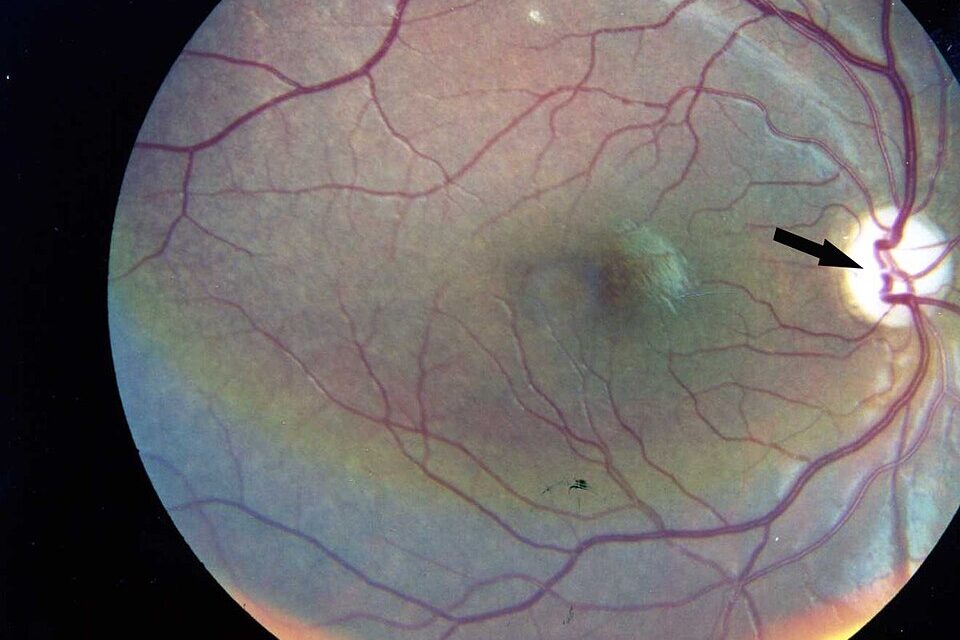
Wolfram syndrome, also known by the acronym DIDMOAD, is a rare autosomal recessive disorder combining diabetes insipidus, diabetes mellitus, optic atrophy, and deafness, with progressive optic atrophy typically the first ocular sign to appear.
Because the diabetes mellitus component usually precedes the ophthalmic findings, a child already known to have early-onset diabetes who then develops progressive, unexplained vision loss should specifically raise suspicion for this diagnosis rather than being attributed to diabetic complications alone.
Recognizing the syndrome matters not just for the eye findings themselves but because Wolfram syndrome is a progressive, multisystem neurodegenerative condition with significant implications for long-term care and prognosis well beyond vision.
The condition is genuinely rare, and its slow, sequential unfolding across different organ systems over years means the full picture is often only assembled retrospectively, after several seemingly separate diagnoses have already been made.
Genetics and Pathophysiology
Wolfram syndrome most commonly results from mutations in the WFS1 gene, which encodes wolframin, a protein involved in maintaining normal endoplasmic reticulum function, particularly in cells with high secretory demands such as pancreatic beta cells and neurons.
Loss of normal wolframin function leads to endoplasmic reticulum stress and progressive cell dysfunction and death in the specific tissues most dependent on it, which explains the syndrome’s characteristic combination of pancreatic, neurological, and sensory findings.
A smaller subset of cases results from mutations in a second gene, associated with a distinct but overlapping clinical picture, underscoring that Wolfram syndrome is genetically, and to some degree clinically, heterogeneous rather than a single uniform entity.
Carrier parents of an affected child are themselves unaffected, consistent with the autosomal recessive pattern, though some heterozygous carriers have been reported to show a mildly increased risk of psychiatric or other subclinical findings in certain studies.
Clinical Features
- Diabetes mellitus, typically insulin-dependent and usually the first manifestation, often presenting in the first decade of life
- Optic atrophy, usually the second finding to appear, typically in the first or second decade, presenting as slowly progressive, often bilateral vision loss
- Diabetes insipidus, from central vasopressin deficiency, developing later in the disease course in many but not all patients
- Sensorineural deafness, also typically developing later, completing the classic four-component DIDMOAD picture, though not every patient develops all four components
- Additional neurological findings in later disease stages, including ataxia, brainstem atrophy, and urinary tract abnormalities, reflecting the progressive neurodegenerative nature of the underlying process
All-fit Slit-Lamp Adapter
Record and share exactly what you see at the slit lamp. One adapter fits any slit lamp or surgical microscope — and any smartphone.
From Choroida — the team behind this siteOphthalmic Findings
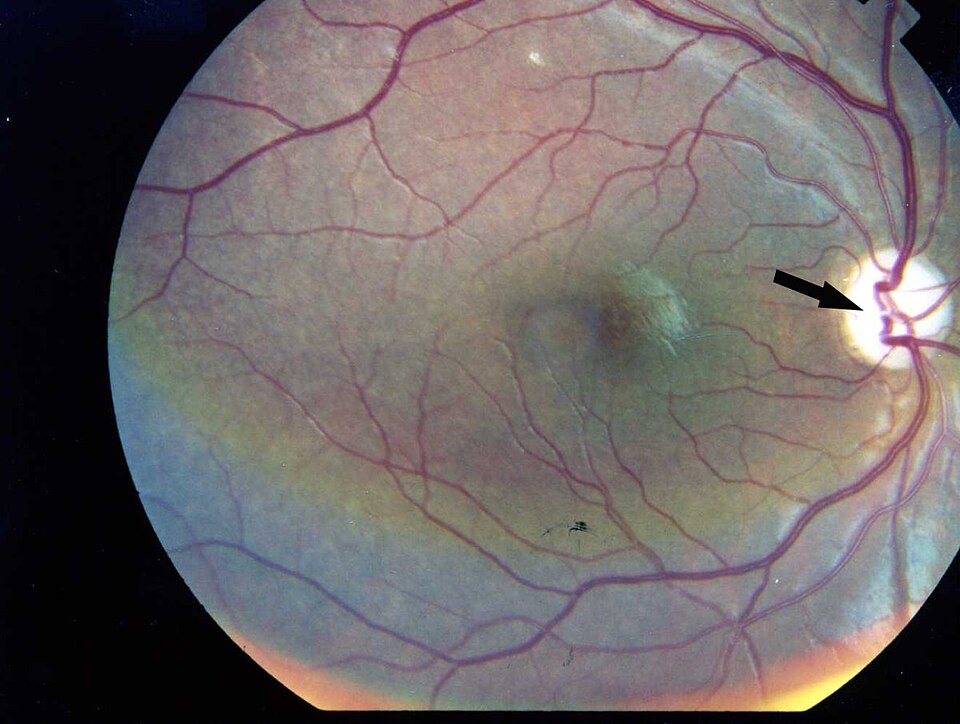
Optic atrophy in Wolfram syndrome is typically bilateral, slowly progressive, and can be difficult to distinguish from other causes of hereditary optic atrophy on fundus exam alone without the broader systemic context.
Color vision deficits and visual field loss accompany the optic atrophy, progressing gradually over years, and this slow tempo can make the visual decline easy for both patients and families to underappreciate until it becomes significant.
Other ocular findings, including nystagmus, cataracts, and pupillary abnormalities, have been reported in a subset of patients, reflecting the broader neurological involvement typical of the disease’s later stages.
Why Early Diagnosis Matters
A child with early-onset, insulin-dependent diabetes who develops progressive optic atrophy should undergo genetic testing for Wolfram syndrome, since this combination is a recognized, specific clinical pattern rather than a coincidental overlap of two unrelated conditions.
Early diagnosis allows for anticipatory monitoring of the other components of the syndrome, including screening for diabetes insipidus and hearing loss, rather than each new finding being investigated as an isolated, unexplained problem as it appears.
Genetic counseling for the family is also relevant given the autosomal recessive inheritance pattern, particularly for future reproductive planning and for screening of at-risk siblings.
Management
There is no treatment that reverses or halts the underlying neurodegenerative process, and management is supportive and multidisciplinary, addressing each component of the syndrome as it develops: insulin therapy for diabetes mellitus, desmopressin for diabetes insipidus, and hearing aids or cochlear implantation for deafness.
Low vision support and appropriate educational accommodations become increasingly important as optic atrophy progresses, and early involvement of low vision services can help a child and family adapt proactively rather than reactively.
Ongoing research into disease-modifying therapies targeting the underlying endoplasmic reticulum stress pathway is active, and patients and families benefit from awareness of relevant clinical trials and specialized Wolfram syndrome research centers where available.
Given how many specialties are eventually involved, endocrinology, ophthalmology, otolaryngology, neurology, and urology among them, a single coordinating physician or center genuinely improves the practical experience of care for these families over the disease’s long course.

Document what you see
Two smartphone imaging tools built for everyday clinic use — one for the slit lamp, one for the fundus.
From Choroida — the team behind this siteReferences
- Barrett TG, Bundey SE, Macleod AF. Neurodegeneration and diabetes: UK nationwide study of Wolfram (DIDMOAD) syndrome. The Lancet.
- American Academy of Ophthalmology. Basic and Clinical Science Course, Section 5: Neuro-Ophthalmology.
- Rigoli L, Di Bella C. Wolfram syndrome 1 and Wolfram syndrome 2. Current Opinion in Pediatrics.
