Anti-VEGF biosimilars are biologic drugs that copy the structure and activity of ranibizumab or aflibercept after the patents end.
Several ranibizumab biosimilars now reach clinics, and aflibercept biosimilars are following in many regions.
Retina specialists need to understand how these drugs differ from bevacizumab and from the original products.
What Anti-VEGF Biosimilars Are
A biosimilar is highly similar to a reference biologic, with no meaningful clinical difference in safety or potency.
Manufacturers cannot copy a biologic exactly, because cell lines and processes create small variations.
Therefore, regulators ask for analytical, pharmacologic, and clinical comparisons before approval.
However, biosimilars differ from generics, which are chemically identical copies of small molecules.
How Regulators Approve Anti-VEGF Biosimilars
First, the core evidence is a randomized trial that compares the biosimilar with the reference drug in neovascular AMD.
The primary endpoint is usually letter gain or central thickness at a fixed week, with an equivalence margin.
Immunogenicity data also matter, since antibodies against the drug may change safety or response.
Some agents hold an interchangeability designation, which allows pharmacy substitution under local rules.
Fundus Explorer Pro
Photograph the retinal findings described here with the phone already in your pocket — 22 D optics and built-in illumination in one handheld unit.
From Choroida — the team behind this siteEvidence for Anti-VEGF Biosimilars
Ranibizumab biosimilars showed equivalent vision gains and thickness changes to the reference product in randomized trials.
The FYB201 trial is one example, and it reported similar efficacy and safety in neovascular AMD.
Aflibercept biosimilar trials follow the same design, with an equivalence margin for letters at week 8 or 24 (see anti-VEGF therapy).
Real-world experience is still growing, so long-term safety data remain limited.
Anti-VEGF Biosimilars Versus Bevacizumab
Meanwhile, bevacizumab is a full-length antibody that pharmacies repackage for the eye.
CATT and IVAN showed similar vision gains with bevacizumab and ranibizumab, although bevacizumab has no ophthalmic labeling.
Biosimilars offer licensed manufacturing and batch control, but they usually cost more than repackaged bevacizumab.
Switching Patients to Anti-VEGF Biosimilars
Switching a stable patient to a biosimilar needs no new loading phase.
Keep the same interval, and check OCT and acuity at the next visit.
Also explain the change in plain terms, and record the product name and batch number in the chart.
Monitor the first two injections after the switch more closely than usual.
Tell staff which product each patient receives, so that nurses prepare the right vial.
Report any unexpected inflammation as an adverse event for the specific product.
Practical Points
- Check local rules on substitution and pharmacovigilance
- Track the brand name in the medical record
- Compare cost per injection, including the visit and imaging costs
- Do not assume that a biosimilar of one drug matches the dosing of another drug
Savings may widen access, since many patients delay treatment because of cost (see intravitreal injection therapy).
An Example Case
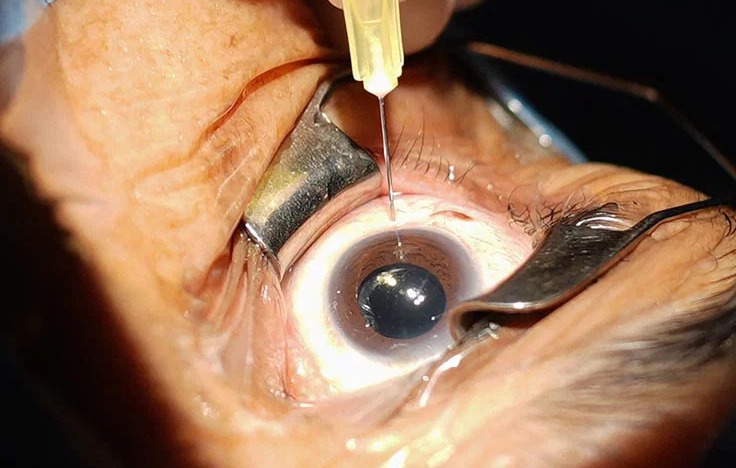
A clinic treats 60 patients with a ranibizumab originator at a fixed monthly cost.
The clinic negotiates a lower price for a biosimilar and plans a staged switch over three months.
Staff record the product name, batch number, and baseline OCT for each patient.
At six months, vision and thickness match the earlier values, and two patients report mild redness that settles in days.
The clinic keeps the change and reports the redness to the manufacturer for review.
Questions Patients Ask
Patients often ask whether a biosimilar is a weaker copy.
Explain that regulators required equivalence in trials before approval.
They also ask why the clinic changed the drug, and a simple answer is that the cost fell without a change in results.
Respect patient preference, and consider the original product when concerns remain.
Document the conversation, so that colleagues can follow the same approach.
Pitfalls to Avoid
- Separate the words generic and biosimilar, since they mean different things
- Keep the interval on the day of the switch unless there is a clinical reason
- Report adverse events with the product name and batch number
- Check the labeled indications for each biosimilar, because they differ
Looking Ahead
More aflibercept biosimilars will enter practice as patents expire.
Pricing and payer rules will shape which products clinics choose.
Large registries will give a clearer view of rare safety events over the next years.
Key Points
Anti-VEGF biosimilars match the reference drug in trials and offer lower cost.
They differ from repackaged bevacizumab because they hold ophthalmic labeling.
Track the product, keep the interval, and monitor for inflammation after a switch.
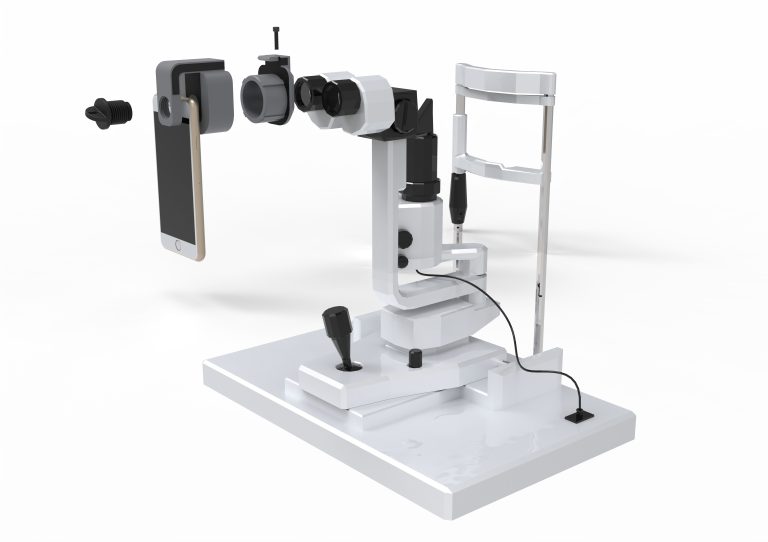
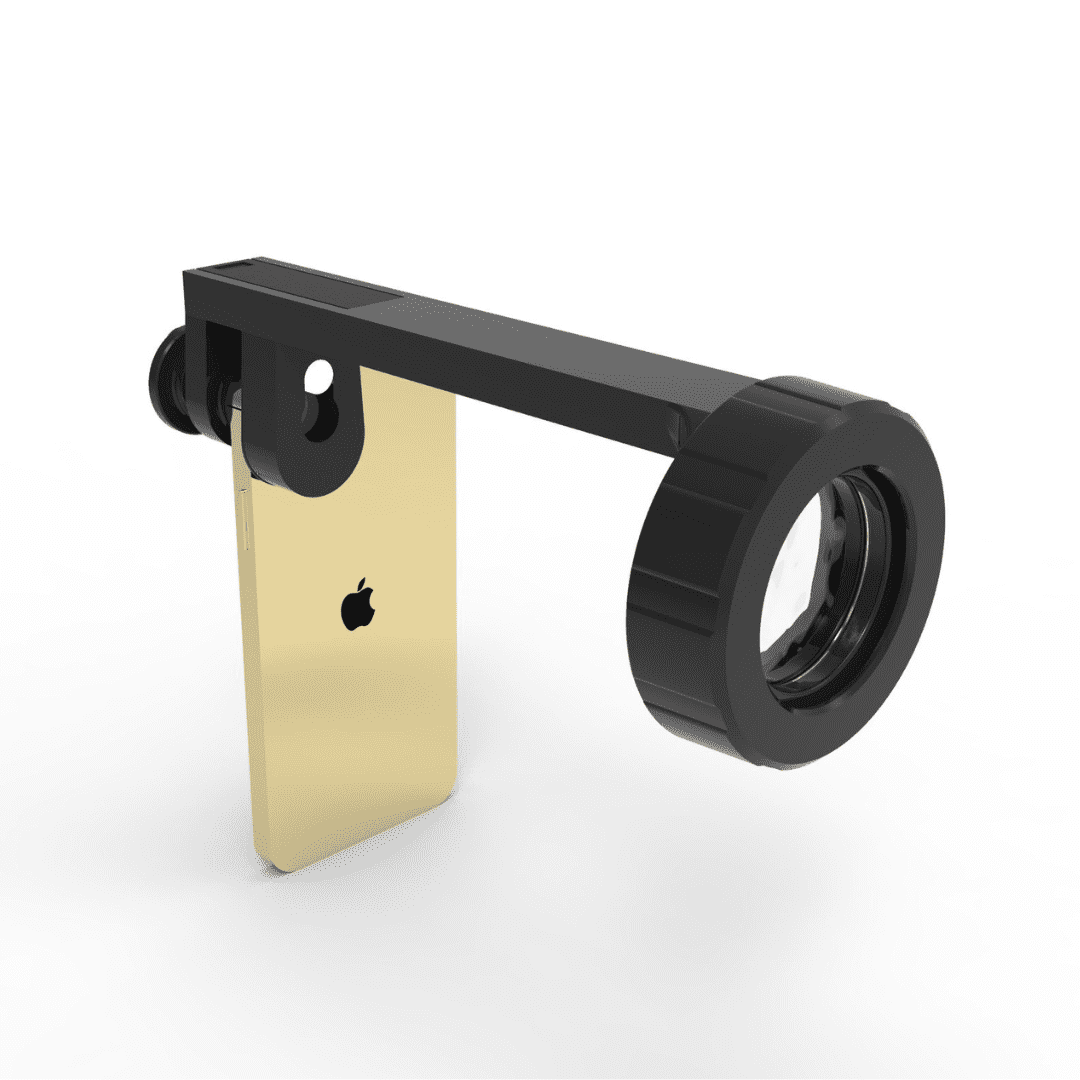
Document what you see
Two smartphone imaging tools built for everyday clinic use — one for the slit lamp, one for the fundus.
From Choroida — the team behind this siteReferences
- Holz FG, Oleksy P, Ricci F, et al. Efficacy and safety of biosimilar FYB201 compared with the reference biologic ranibizumab in neovascular age-related macular degeneration. Ophthalmology. 2022;129:54-63.
- CATT Research Group. Ranibizumab and bevacizumab for neovascular age-related macular degeneration. N Engl J Med. 2011;364:1897-1908.
- IVAN Study Investigators. Ranibizumab versus bevacizumab to treat neovascular age-related macular degeneration: one-year findings from the IVAN randomized trial. Ophthalmology. 2012;119:1399-1411.
- American Academy of Ophthalmology. Basic and Clinical Science Course, Section 12: Retina and Vitreous. AAO; current edition.

Writes and reviews the clinical articles on Educate. Every post is checked against peer-reviewed sources before it goes live.