
Charles Bonnet syndrome is the occurrence of complex, formed visual hallucinations in patients with significant vision loss but preserved cognitive function.
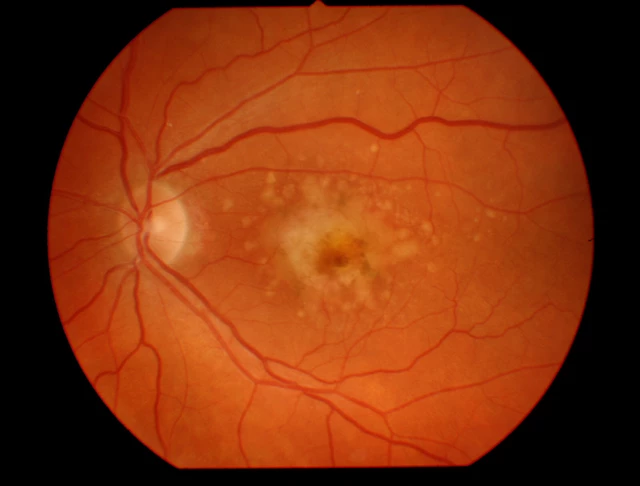
It is genuinely underrecognized: many affected patients never mention their hallucinations to a physician, fearing (understandably, though incorrectly) that they will be labeled as having a psychiatric illness or early dementia.
Telling a patient that this is a well-recognized, benign phenomenon related to their vision loss and not a sign of mental illness is often, on its own, the single most therapeutic thing a clinician can offer.
Mechanism
The leading explanation, sometimes called the “deafferentation” or “release” hypothesis, holds that when the visual system loses its normal stream of sensory input from the eyes, the visual association cortex — no longer constrained by real incoming visual signals — becomes spontaneously active and generates its own images, “filling in” the absence of real visual input with internally generated content.
This is conceptually similar to phantom limb sensations following amputation, where loss of normal sensory input from a body part leads to spontaneous, internally generated sensory experience in the corresponding area of the brain.
Who Develops It
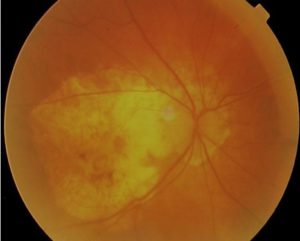
- Age-related macular degeneration — the most common underlying cause given its prevalence, though the syndrome can occur with vision loss from any cause
- Glaucoma with significant visual field loss
- Diabetic retinopathy
- Cataract, particularly when dense and bilateral
- Any other cause of significant bilateral vision loss, whether from ocular or, less commonly, post-chiasmal visual pathway disease
The severity of vision loss correlates with risk, and hallucinations sometimes emerge or intensify following a sudden change in vision — after cataract surgery in one eye while the other remains significantly impaired, for instance, or following any other abrupt shift in visual input to the brain.
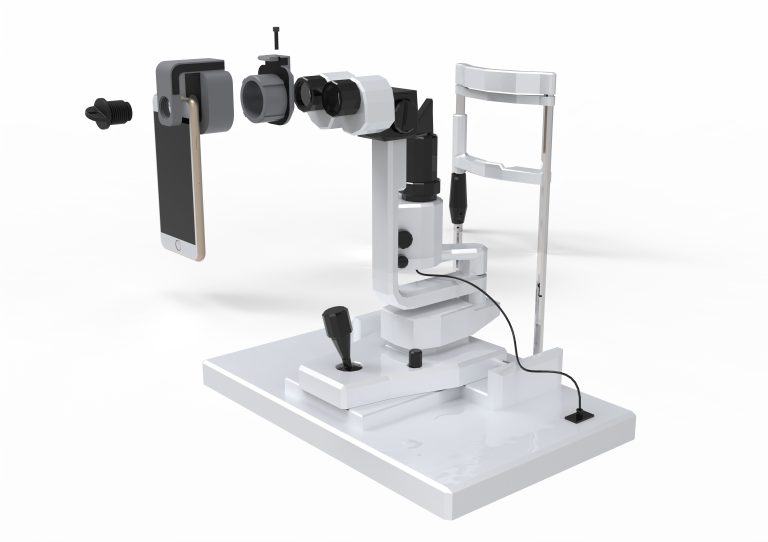
All-fit Slit-Lamp Adapter
Record and share exactly what you see at the slit lamp. One adapter fits any slit lamp or surgical microscope — and any smartphone.
From Choroida — the team behind this siteClinical Presentation
Hallucinations are typically complex and formed — recognizable people, animals, patterns, buildings, or scenes — rather than simple flashes of light or geometric shapes.
They are almost always silent, without accompanying sound, smell, or other sensory modality involvement.
A defining and clinically crucial feature is preserved insight: patients recognize, at least eventually if not immediately, that what they are seeing is not real.
This sharply distinguishes Charles Bonnet syndrome from a true psychotic disorder, where insight into the unreal nature of hallucinations is typically absent or impaired.
Diagnostic Criteria
- Formed, complex visual hallucinations
- Full or partial retained insight that the hallucinations are not real
- Absence of hallucinations in other sensory modalities (auditory, tactile, olfactory)
- Absence of a primary psychiatric or significant cognitive disorder that would better explain the hallucinations
- Presence of significant vision loss providing a plausible explanation for the deafferentation mechanism
These criteria are important not just for making the diagnosis but for actively excluding alternative, more concerning explanations, because visual hallucinations can also occur in dementia with Lewy bodies, Parkinson’s disease, psychiatric illness, and other neurologic conditions.
Charles Bonnet syndrome is a diagnosis that should be reached deliberately after considering and reasonably excluding these alternatives, not assumed in every patient with vision loss who reports seeing things.
Differential Diagnosis
- Dementia with Lewy bodies — visual hallucinations are a core feature, but typically accompanied by fluctuating cognition, parkinsonism, and REM sleep behavior disorder, and insight is often impaired, unlike in Charles Bonnet syndrome
- Parkinson’s disease and Parkinson’s disease-related psychosis — often medication-related, occurring in the context of known Parkinson’s disease and its treatment
- Primary psychiatric illness (schizophrenia, other psychotic disorders) — typically involves other sensory modalities, delusions, and impaired insight, and usually has an earlier age of onset and a different overall clinical trajectory than the typically older population affected by Charles Bonnet syndrome
- Delirium — an acute confusional state with impaired attention and fluctuating consciousness, a fundamentally different and more urgent clinical picture requiring its own separate, prompt evaluation
- Migraine with aura and occipital lobe seizures — typically produce simpler, more stereotyped visual phenomena (geometric shapes, scintillating scotomas) with a shorter duration than the more complex, prolonged hallucinations typical of Charles Bonnet syndrome
Management
Patient and family education — explaining the mechanism, confirming that the phenomenon is a recognized, common consequence of vision loss rather than a sign of psychiatric illness or dementia, and reassuring the patient that they are not “going crazy” — is the cornerstone of management and is often sufficient on its own to substantially reduce the distress the hallucinations cause, even when the hallucinations themselves continue to occur.
Simple behavioral strategies (changing lighting, briefly looking away and back, blinking repeatedly, or shifting gaze) can interrupt an episode for some patients.
Any treatable underlying cause of vision loss should be addressed to the extent possible (for example, cataract surgery, when appropriate), because improving vision can reduce or resolve hallucinations in some patients, though this is not universal.
For patients with persistent, distressing hallucinations despite education and reassurance, low-dose medications used off-label (including certain anticonvulsants or, in select cases, antipsychotics) have been tried with variable success, generally reserved for more severe or refractory cases given the modest evidence base and potential side effects relative to the benign nature of the condition itself, with the decision to pursue medication weighed carefully against how much the hallucinations are genuinely affecting the patient’s quality of life.
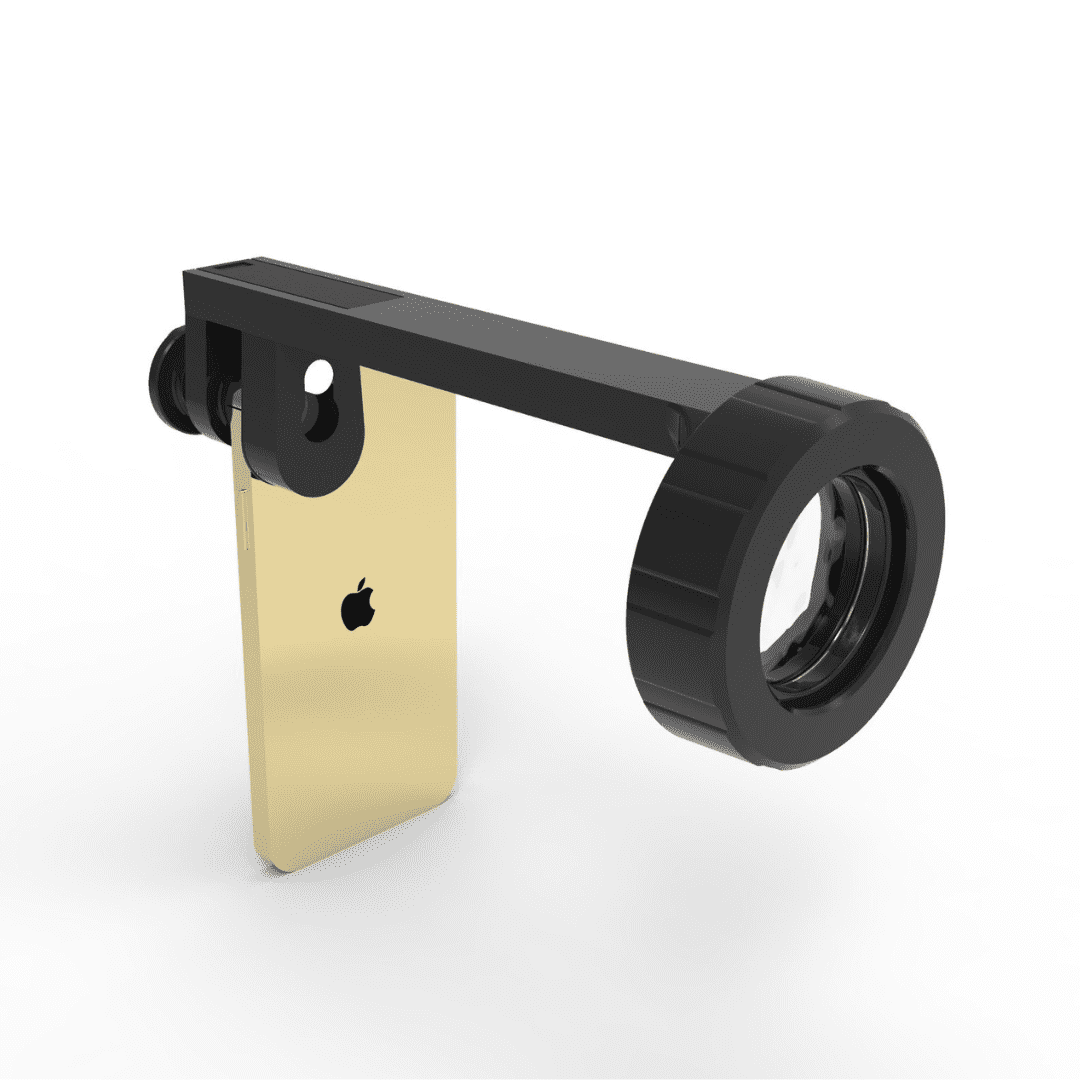
Document what you see
Two smartphone imaging tools built for everyday clinic use — one for the slit lamp, one for the fundus.
From Choroida — the team behind this siteReferences
- Menon GJ, Rahman I, Menon SJ, Dutton GN. Complex visual hallucinations in the visually impaired: the Charles Bonnet syndrome. Survey of Ophthalmology.
- Cox TM, ffytche DH. Negative outcome Charles Bonnet syndrome. British Journal of Ophthalmology.
- American Academy of Ophthalmology. Basic and Clinical Science Course, Section 5: Neuro-Ophthalmology.
