
Ocular Neuromyotonia (ONM) is a rare neurological condition characterized by intermittent, involuntary muscle contractions affecting the extraocular muscles.
This disorder typically presents as transient episodes of diplopia (double vision) and strabismus (misalignment of the eyes) due to abnormal muscle spasms.
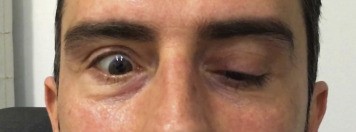
These episodes can last from seconds to minutes and often occur spontaneously or are triggered by specific stimuli, such as changes in gaze direction or prolonged fixation.
This article will explore the pathophysiology, clinical features, diagnosis, differential diagnoses, and management strategies for ocular neuromyotonia.
Pathophysiology
Ocular neuromyotonia is believed to result from dysfunction in the peripheral nerves supplying the extraocular muscles.
The most commonly affected nerves are the oculomotor (cranial nerve III), trochlear (cranial nerve IV), and abducens (cranial nerve VI) nerves. These nerves control eye movements and coordinate binocular vision.
The underlying cause of Ocular Neuromyotonia (ONM) is often linked to previous radiation therapy to the head and neck region. Radiation can damage the myelin sheath of the cranial nerves, leading to spontaneous discharges and muscle spasms.
Other potential causes include compressive lesions, such as tumors or aneurysms, and inflammatory conditions affecting the cranial nerves.
Ocular Neuromyotonia (ONM) Epidemiology
Ocular neuromyotonia is a rare disorder, with fewer than 100 cases reported in the literature. It predominantly affects adults, although cases in children have also been documented.
There is no significant gender predilection. The incidence of Ocular Neuromyotonia (ONM) may be underreported due to its transient nature and the tendency for symptoms to be mistaken for other ocular or neurological conditions.
All-fit Slit-Lamp Adapter
Record and share exactly what you see at the slit lamp. One adapter fits any slit lamp or surgical microscope — and any smartphone.
From Choroida — the team behind this siteClinical Features
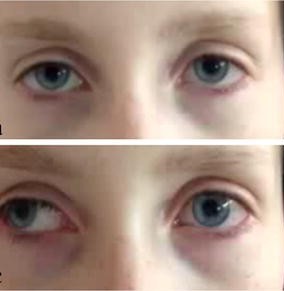
Patients with ocular neuromyotonia typically present with the following symptoms:
- Diplopia: Sudden onset of double vision, often in a specific gaze direction.
- Strabismus: Temporary misalignment of the eyes, which can occur during or after an episode of muscle spasm.
- Oscillopsia: A sensation of the environment moving or shaking, due to abnormal eye movements.
- Eyelid Twitching: Involuntary contractions of the eyelid muscles.
- Triggering Factors: Symptoms may be triggered by changes in gaze direction, prolonged fixation, or periods of eye closure.
Ocular Neuromyotonia (ONM) Diagnosis
Diagnosing ocular neuromyotonia involves a thorough clinical evaluation, patient history, and specialized tests:
- Clinical Examination: Observation of eye movements and assessment of muscle spasms during episodes.
- Electromyography (EMG): Measuring electrical activity in the extraocular muscles to identify abnormal discharges.
- Magnetic Resonance Imaging (MRI): Imaging studies to rule out compressive lesions, tumors, or other structural abnormalities.
- Patient History: Detailed history of radiation exposure, head trauma, or other relevant medical conditions.
Take a rest and read about smartphone fundoscopy
Differential Diagnosis
Several other conditions can present with similar symptoms, making differential diagnosis essential:
- Myasthenia Gravis: An autoimmune disorder causing muscle weakness and fatigue, often affecting the extraocular muscles.
- Thyroid Eye Disease: Inflammatory condition associated with thyroid dysfunction, leading to eye muscle swelling and misalignment.
- Cranial Nerve Palsy: Isolated dysfunction of the oculomotor, trochlear, or abducens nerves, resulting in persistent strabismus or diplopia.
- Microvascular Cranial Nerve Palsy: Often related to diabetes or hypertension, causing transient or persistent ocular misalignment.
Ocular Neuromyotonia (ONM) Management
The management of ocular neuromyotonia focuses on alleviating symptoms and addressing the underlying cause:
- Medications: Anticholinergic drugs, such as carbamazepine, can help reduce the frequency and severity of muscle spasms by stabilizing nerve function.
- Botulinum Toxin Injections: Targeted injections into the affected muscles can provide temporary relief from spasms and reduce symptoms of diplopia and strabismus.
- Prism Glasses: Prescribed to help align the eyes and alleviate double vision during episodes.
- Surgical Intervention: In cases where structural abnormalities or compressive lesions are identified, surgical treatment may be necessary to relieve nerve compression.
Prognosis
The prognosis for patients with ocular neuromyotonia varies depending on the underlying cause and the effectiveness of treatment.
Many patients experience significant improvement in symptoms with appropriate management. However, in some cases, the condition may persist or recur, requiring ongoing treatment and monitoring.
Prevention
Preventive measures for ocular neuromyotonia primarily involve minimizing risk factors, such as avoiding unnecessary radiation exposure to the head and neck region.
Early diagnosis and treatment of underlying conditions, such as tumors or inflammatory disorders, can also help prevent the development of Ocular Neuromyotonia (ONM).
Public health efforts should focus on raising awareness about the condition among healthcare providers and the general population.
Increased awareness can lead to earlier diagnosis and more effective management, improving the quality of life for affected individuals.
Conclusion
Ocular neuromyotonia is a rare but significant neurological condition affecting the extraocular muscles.
Understanding its pathophysiology, clinical features, and management options is crucial for improving patient outcomes.
While the condition can be challenging to diagnose and treat, advances in medical research and therapeutic strategies offer hope for better management and prognosis for patients with Ocular Neuromyotonia (ONM).
Document what you see
Two smartphone imaging tools built for everyday clinic use — one for the slit lamp, one for the fundus.
From Choroida — the team behind this siteReferences
- Jampolsky, A. (1974). Ocular Neuromyotonia. American Journal of Ophthalmology, 78(3), 572-577.
- Lessell, S. (1991). Ocular Neuromyotonia: A clinical review. Journal of Neuro-Ophthalmology, 11(4), 252-259.
- Lee, A. G., & Brazis, P. W. (2000). Ocular Neuromyotonia: Pathophysiology, diagnosis, and treatment. Current Opinion in Ophthalmology, 11(6), 407-412.
- Johnston, S. C., & Arnold, A. C. (2002). Ocular Neuromyotonia: Case series and literature review. Journal of Clinical Neuro-Ophthalmology, 22(2), 75-79.
- Kline, L. B., & Bajandas, F. J. (2008). Ocular Neuromyotonia: Treatment with botulinum toxin. Archives of Ophthalmology, 126(9), 1266-1271.
