CASE REPORT
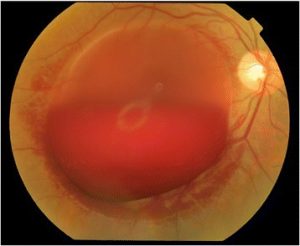
Case report of Valsalva Retinopathy a 23 years old pregnant Asian female with 31 weeks of gestation presented with a history of a sudden decrease in vision in her left eye from seven hours prior to the initial visit.
Her clinical problems were initiated after severe retching and vomiting due to the ingestion of ferrous sulfate tablets.
Her previous medical history was unremarkable. Ophthalmic examination showed the best-corrected visual acuity of 20/20 in the right eye and count finger in 2 meters in the left eye. Pupillary response, eye movement, and anterior segment evaluations were normal.
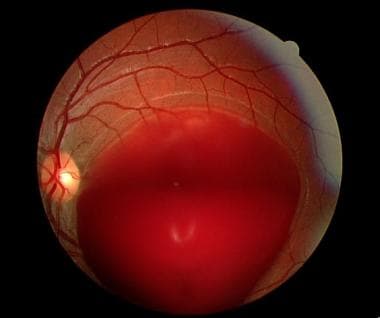
Fundus examination revealed large (10–15 disc diameters) pre-retinal hemorrhage located in the macula.
Blood pressure (BP), complete blood count (CBC), coagulation profiles, and fasting blood glucose (FBS) were within the normal ranges. Based on the clinical findings and laboratory studies, the diagnosis of Valsalva retinopathy was confirmed.
DISEASE of Valsalva Retinopathy
Valsalva retinopathy is a preretinal hemorrhage caused by a sudden increase in intrathoracic or intra abdominal pressure. It was first described by Duane in 1972. It usually occurs in an otherwise healthy eye and spontaneously resolves.
It usually occurs in otherwise healthy eyes but may be associated with retinal vascular abnormalities either acquired (diabetic or hypertensive retinopathy) or congenital (retinal telangiectasias and congenital retinal artery tortuosity)
Fundus Explorer Pro
Photograph the retinal findings described here with the phone already in your pocket — 22 D optics and built-in illumination in one handheld unit.
From Choroida — the team behind this siteMANAGEMENT of Valsalva Retinopathy
General treatment
Conservative management is the observation of spontaneous resolution, which occurs within weeks to months. Advise patients to avoid anticoagulant drugs and strenuous physical activity.
Surgery
Neodymium: YAG laser or krypton laser membranotomy can be options for large hemorrhage especially if it occurs in the patients only normally functioning eye.
Laser membranotomy disrupts the ILM or posterior hyaloid leading to drainage of the blood into the inferior vitreous cavity, producing a faster resolution.
Complications associated with laser membranotomy include a macular hole, retinal detachment, and epiretinal membrane formation.
In rare cases of premacular hemorrhage, which do not resolve after a reasonable duration of observation, pars plana vitrectomy with removal of ILM and the sub-ILM bleed is an option.
Fundus photography is superior to fundus analysis as it enables intraocular pathologies to be photo captured and encrypted information to be shared with colleagues and patients.
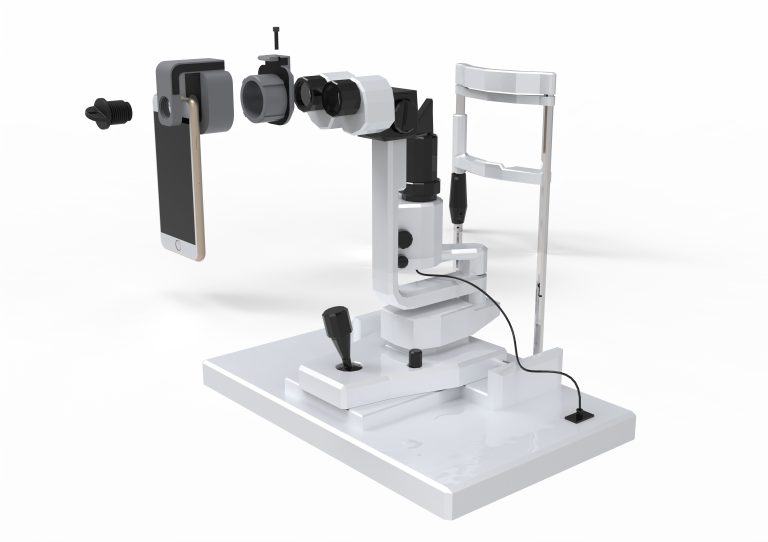
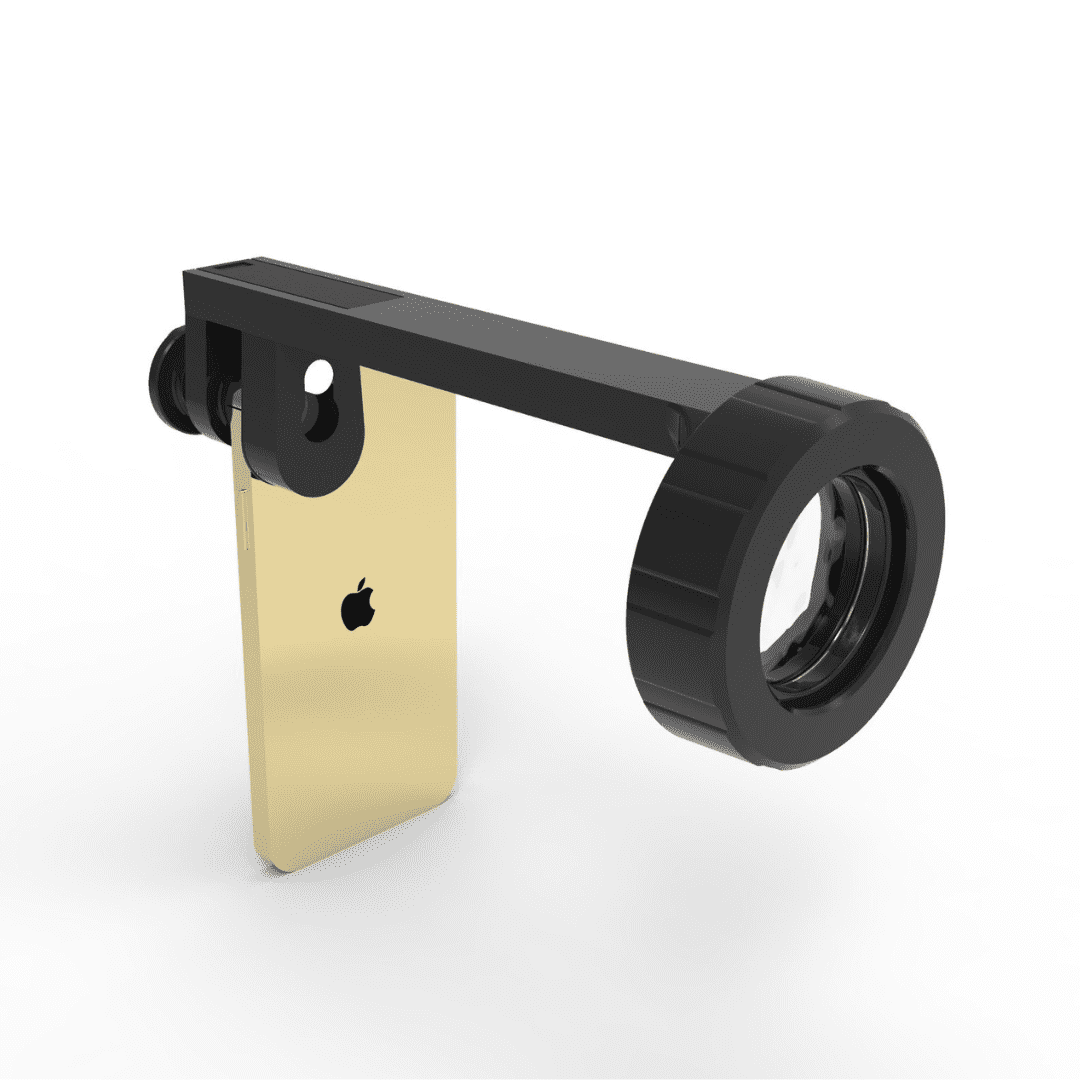
Recent technologies allow smartphone-based attachments and integrated lens adaptors to transform the smartphone into a portable fundus camera.
Document what you see
Two smartphone imaging tools built for everyday clinic use — one for the slit lamp, one for the fundus.
From Choroida — the team behind this siteREFERENCES
- Duane TD. Valsalva hemorrhagic retinopathy. Trans Am Ophthalmol Soc 1972;70:298–313.
- ↑ Kassoff A, Catalano RA, Mehu M. Vitreous hemorrhage and the Valsalva maneuver in proliferative diabetic retinopathy. Retina.1988;8(3):174-6.
- ↑ de Crecchio G, Pacente L, Alfieri MC, Greco GM. Valsalva retinopathy associated with a congenital retinal macrovessel. Arch Ophthalmol. 2000 Jan;118(1):146-7.
- ↑ Tildsley J, Srinivasan S. Valsalva retinopathy. Postgrad Med J 2009;85:110.
- ↑ Agarwall A. Gass’ Atlas of Macular Disease. 5th ed. Elsevier; 2012. Chapter 8, 730-731.
Know about more diseases: Roth Spots, Diabetic retinopathy, Coats disease, Commotio Retinae, Macroaneurysms
Test yourself
A few questions straight from this article.
-
Valsalva retinopathy results from which mechanism?
Valsalva retinopathy is a preretinal haemorrhage produced by an abrupt rise in intrathoracic or intra-abdominal pressure, typically in an otherwise healthy eye. -
Who first described Valsalva retinopathy, and in which year?
Duane gave the first description of Valsalva haemorrhagic retinopathy in 1972. -
In the reported Valsalva retinopathy case, what precipitated the haemorrhage?
The 23-year-old woman, 31 weeks pregnant, lost vision seven hours after severe retching and vomiting brought on by ferrous sulfate tablets. -
What fundus finding was seen in the reported case of Valsalva retinopathy?
Fundus examination showed a pre-retinal haemorrhage of 10 to 15 disc diameters sitting on the macula, with acuity reduced to counting fingers at two metres. -
Which normal investigations helped confirm the diagnosis of Valsalva retinopathy?
Normal blood pressure, complete blood count, coagulation profile and fasting glucose excluded a bleeding or vascular cause, confirming Valsalva retinopathy. -
How does uncomplicated Valsalva retinopathy usually behave over time?
Conservative management rests on the fact that the haemorrhage clears by itself within weeks to months in a healthy eye. -
What advice is given to a patient recovering from Valsalva retinopathy?
While waiting for spontaneous resolution, patients are told to keep off anticoagulants and to avoid strenuous physical exertion. -
How does laser membranotomy speed resolution in Valsalva retinopathy?
Neodymium YAG or krypton membranotomy disrupts the internal limiting membrane or posterior hyaloid so trapped blood drains into the inferior vitreous cavity. -
Which complication is associated with laser membranotomy for Valsalva retinopathy?
Membranotomy can be complicated by macular hole, retinal detachment or epiretinal membrane formation, so it is reserved for selected large haemorrhages. -
When is pars plana vitrectomy considered in Valsalva retinopathy?
Vitrectomy with removal of the limiting membrane and the underlying blood is reserved for the rare premacular haemorrhage that does not clear after reasonable observation.

Writes and reviews the clinical articles on Educate. Every post is checked against peer-reviewed sources before it goes live.