Cataract surgery recovery is fast for most patients.
Vision often improves within a day, yet healing takes several weeks.
Clear instructions prevent complications and anxiety.
The First Day After Cataract Surgery
Patients usually attend a check the day after surgery.
The doctor measures vision and pressure and examines the cornea.
The eye may feel gritty and look red.
Therefore, reassure patients that mild discomfort is normal.
Vision in the First Week
Vision is often blurry at first and improves daily.
Light sensitivity is common.
A clear cornea and a stable lens lead to sharper sight.
So set the expectation that vision improves gradually.
All-fit Slit-Lamp Adapter
Record and share exactly what you see at the slit lamp. One adapter fits any slit lamp or surgical microscope — and any smartphone.
From Choroida — the team behind this sitePostoperative Drops
Most patients use an antibiotic, a steroid and sometimes an NSAID drop.
The schedule tapers over three to four weeks.
Missing doses raises the risk of inflammation.
Also teach the drop technique before discharge (see eye drop technique).
Activity After Cataract Surgery Recovery
Light activity is fine from the first day.
Avoid heavy lifting and straining for a week or two.
Avoid swimming and eye makeup for about two weeks.
In addition, avoid rubbing the eye.
Protecting the Eye
A shield at night prevents accidental pressure.
Sunglasses reduce glare and protect during the day.
Wash hands before touching the eye.
Therefore, simple habits lower infection risk.
Normal Symptoms
Mild redness, tearing and a foreign body feeling are normal early on.
Floaters and halos may appear for a while.
Fluctuating vision settles within days.
So explain what is expected.
Warning Signs After Cataract Surgery
Increasing pain, worsening redness or falling vision need urgent review.
A dark curtain or many new floaters also need care.
These signs may mean infection or retinal detachment.
Therefore, give patients a phone number.
Endophthalmitis
Infection inside the eye is rare but dangerous.
It usually appears within a week.
Intracameral antibiotics reduce the risk (see intracameral antibiotics).
So treat any suspicious case as an emergency.
Cystoid Macular Edema
Swelling of the macula can blur vision weeks after surgery.
It is more likely in diabetes and uveitis (see Irvine-Gass syndrome).
NSAID drops and OCT guide treatment.
Therefore, check the macula if vision lags.
Dry Eye After Surgery
Many patients have temporary dry eye symptoms.
Lubricating drops help.
Treat the surface before judging the final vision.
Also consider punctal plugs in persistent cases.
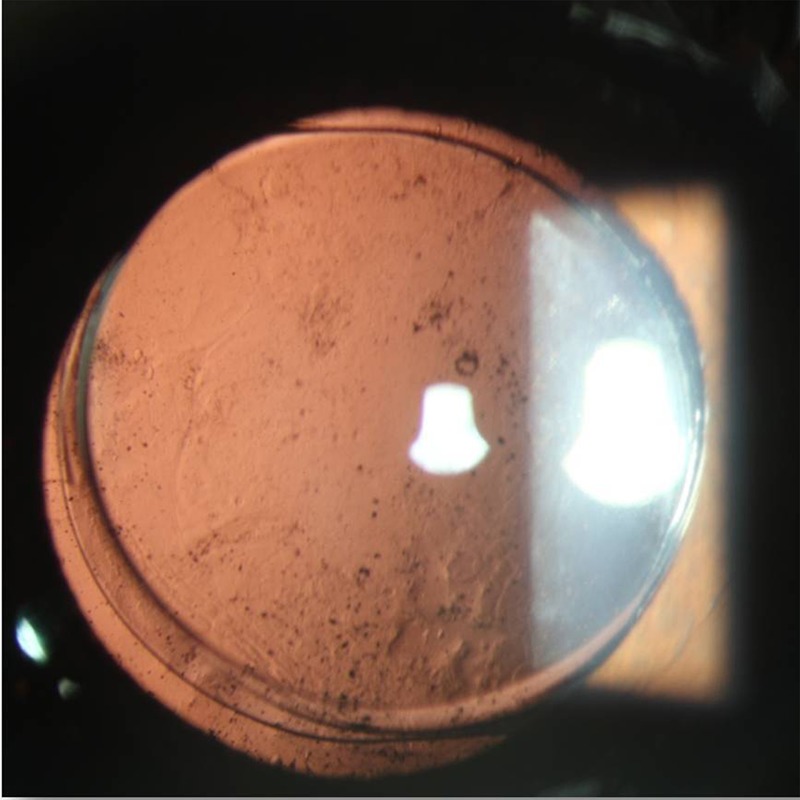
Posterior Capsule Opacification
The membrane behind the lens can cloud months or years later.
Vision becomes hazy again.
A quick laser procedure restores clarity (see YAG laser capsulotomy).
So reassure patients that this is treatable.
Glasses After Cataract Surgery
Final glasses are usually prescribed after two to four weeks.
Refraction stabilizes as healing finishes.
Patients may need glasses for near or distance.
Therefore, explain that spectacles may still be needed.
Second Eye Surgery
The second eye is usually operated within weeks.
Vision between the eyes may feel unbalanced meanwhile.
Temporary glasses or a contact lens can help.
So plan the timing with the patient.
Cataract Surgery Recovery: Practical Summary
Expect quick improvement, use drops as directed and avoid strain.
If pain or vision loss occurs, call at once.
Because most problems are treatable, early review is key.
Finally, keep follow-up appointments.
Pitfalls to Avoid
- Do not stop drops early
- Never rub or press the eye
- Avoid swimming in the first two weeks
- Do not ignore sudden vision loss
Cataract Surgery Recovery in Diabetic Patients
Diabetic eyes heal more slowly and are prone to macular edema.
If vision lags, check the macula with OCT.
Because control of glucose matters, coordinate with the physician.
Therefore, plan an extra visit at four weeks.
Cataract Surgery Recovery for Return to Work
Most patients return to desk work within a few days.
However, heavy manual work and dusty settings need a longer pause.
Because every job differs, give personal advice.
Then provide a note for the employer if needed.
Cataract Surgery Recovery and Driving
Patients may drive once vision meets legal standards and they feel confident.
Glare can persist for a few days.
If night driving feels unsafe, wait.
So review the topic at the first week visit.
Cataract Surgery Recovery When the Second Eye Waits
Imbalance between eyes can cause discomfort.
A temporary lens in the glasses can help.
Because the gap is short, patience is enough for most.
However, plan the second eye soon.
For the latest studies, see the PubMed results for cataract surgery recovery.


Document what you see
Two smartphone imaging tools built for everyday clinic use — one for the slit lamp, one for the fundus.
From Choroida — the team behind this siteReferences
- Miller KM, Oetting TA, Tweeten JP, et al. Cataract in the adult eye preferred practice pattern. Ophthalmology. 2022;129:P1-P126.
- Liu YC, Wilkins M, Kim T, Malyugin B, Mehta JS. Cataracts. Lancet. 2017;390:600-612.
- Lundstrom M, Barry P, Henry Y, Rosen P, Stenevi U. Evidence-based guidelines for cataract surgery: guidelines based on data in the European Registry of Quality Outcomes for Cataract and Refractive Surgery database. J Cataract Refract Surg. 2012;38:1086-1093.
- Barry P, Seal DV, Gettinby G, Lees F, Peterson M, Revie CW. ESCRS study of prophylaxis of postoperative endophthalmitis after cataract surgery. J Cataract Refract Surg. 2006;32:407-410.

Writes and reviews the clinical articles on Educate. Every post is checked against peer-reviewed sources before it goes live.