WESDR, the Wisconsin Epidemiologic Study of Diabetic Retinopathy, is the population-based cohort that described how often diabetic retinopathy appears and how fast it progresses. Trials such as the DRS and ETDRS tested treatments, while WESDR supplied the natural history behind them.
What WESDR Measured
Ronald and Barbara Klein led the study at the University of Wisconsin. They enrolled people with diabetes from primary care practices in eleven southern Wisconsin counties between 1980 and 1982. Because participants came from community practices, the results describe typical patients, which makes them useful for screening policy.
Design of WESDR
The cohort had a younger-onset group diagnosed before age 30 and taking insulin, plus an older-onset group diagnosed at age 30 or later. Most younger-onset patients had type 1 diabetes, while most older-onset patients had type 2. The investigators then reexamined survivors repeatedly, following the younger-onset group for 25 years.
Fundus Explorer Pro
Photograph the retinal findings described here with the phone already in your pocket — 22 D optics and built-in illumination in one handheld unit.
From Choroida — the team behind this siteHow WESDR Graded Retinopathy
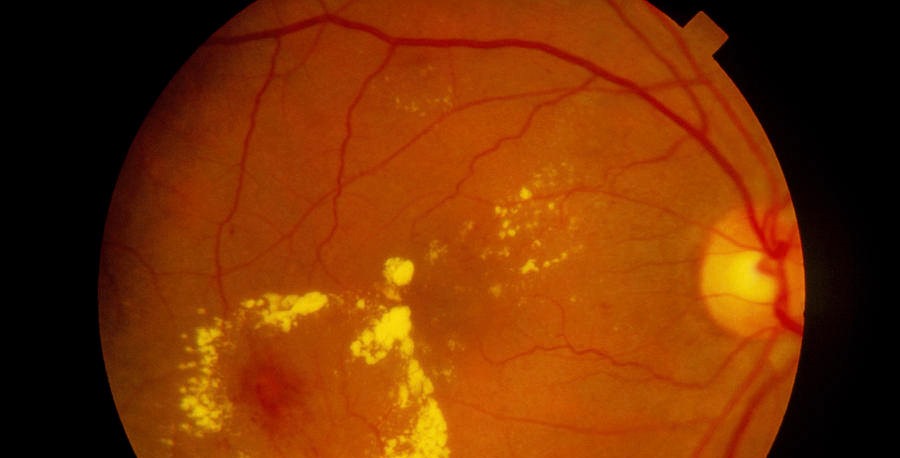
Each visit included stereoscopic photographs of seven standard fields, graded masked to clinical data with a modified Airlie House scheme. As a result, small changes such as new microaneurysms counted as measurable steps. The same logic later underpinned the ETDRS severity scale (see diabetic retinopathy classification).
Duration of Diabetes in WESDR
Duration of diabetes was the strongest predictor of prevalence in both groups. In younger-onset patients, retinopathy was uncommon in the first few years after diagnosis, yet nearly all had some retinopathy after 15 years or more. In addition, proliferative disease climbed steadily with duration, so long-standing type 1 diabetes carried the highest risk.
The older-onset group behaved differently, because many patients already had retinopathy at diagnosis, especially those taking insulin. This pattern suggests that type 2 diabetes often goes unrecognized over many years, therefore the eye examination should start when the diagnosis is made.
Glycemia and Progression
In 1988 the Kleins reported that higher baseline glycosylated hemoglobin predicted both the incidence and progression of retinopathy. Risk rose across the range of values. Also, the association held in younger-onset and older-onset groups, and the DCCT and UKPDS trials later confirmed it (see glycemic control and progression).
Blood Pressure and Kidney Signals in WESDR
Higher diastolic blood pressure predicted progression in younger-onset participants, while proteinuria was associated with proliferative disease. However, these associations were weaker than those for glycemia. Smoking showed no consistent relationship with retinopathy, which surprised many clinicians at the time.
Macular Edema Findings
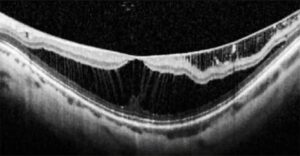
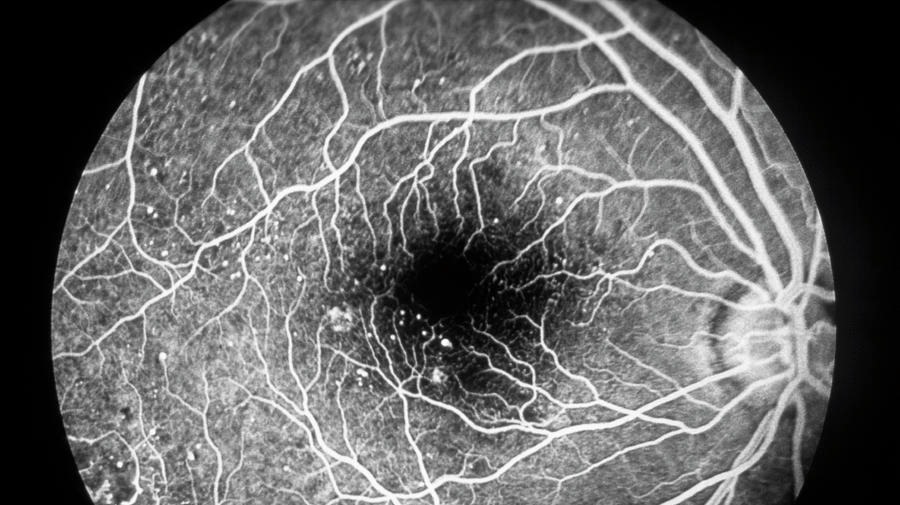
WESDR also tracked diabetic macular edema, an important cause of visual impairment, particularly in the older-onset group. Incidence rose with retinopathy severity and glycosylated hemoglobin. Therefore, patients with moderate nonproliferative disease need closer review of the macula, ideally with OCT in current practice.
The 25-Year WESDR Results
In the 25-year report, most surviving younger-onset participants showed progression. About four in ten developed proliferative retinopathy, and a smaller group improved. Next, the authors noted lower incidence in people diagnosed in more recent years, which likely reflects better glycemic and blood pressure control.
How WESDR Shapes Screening Intervals
Retinopathy was rare in the first years of type 1 diabetes, so guidelines advise a first examination within five years of diagnosis. Type 2 patients need examination at diagnosis. In addition, patients without retinopathy progressed slowly, which supports longer intervals for low-risk patients (see screening intervals).
Limits of the Data
The cohort was almost entirely White and lived in one region, so the findings may not transfer to Hispanic, Black or Asian populations. Also, baseline care predates modern insulin regimens and anti-VEGF therapy. Therefore, absolute risk figures likely overstate what well-controlled patients face today.
Using WESDR in Clinic Counseling
For patients, WESDR translates into a clear message, because longer duration and higher HbA1c raise risk while good control lowers it. First, explain that early retinopathy causes no symptoms. Then link the next screening date to their own duration and control, which makes the interval feel personal.
Pitfalls to Avoid
- Do not quote WESDR absolute rates as current risk for well-controlled patients
- Never delay the first eye examination in type 2 diabetes until symptoms appear
- Avoid treating one normal examination as lasting protection, because incidence rises with duration
- Remember that WESDR is observational, so its associations do not prove causation


Document what you see
Two smartphone imaging tools built for everyday clinic use — one for the slit lamp, one for the fundus.
From Choroida — the team behind this siteReferences
- Klein R, Klein BE, Moss SE, Davis MD, DeMets DL. The Wisconsin Epidemiologic Study of Diabetic Retinopathy. II. Prevalence and risk of diabetic retinopathy when age at diagnosis is less than 30 years. Arch Ophthalmol. 1984;102:520-526.
- Klein R, Klein BE, Moss SE, Davis MD, DeMets DL. The Wisconsin Epidemiologic Study of Diabetic Retinopathy. III. Prevalence and risk of diabetic retinopathy when age at diagnosis is 30 or more years. Arch Ophthalmol. 1984;102:527-532.
- Klein R, Klein BE, Moss SE, Davis MD, DeMets DL. Glycosylated hemoglobin predicts the incidence and progression of diabetic retinopathy. JAMA. 1988;260:2864-2871.
- Klein R, Knudtson MD, Lee KE, Gangnon R, Klein BE. The Wisconsin Epidemiologic Study of Diabetic Retinopathy XXII: the twenty-five-year progression of retinopathy in persons with type 1 diabetes. Ophthalmology. 2008;115:1859-1868.
- Flaxel CJ, Adelman RA, Bailey ST, et al. Diabetic Retinopathy Preferred Practice Pattern. Ophthalmology. 2020;127:P66-P145.

Writes and reviews the clinical articles on Educate. Every post is checked against peer-reviewed sources before it goes live.