Diabetic eye exam is the single most effective way to prevent blindness in people with diabetes.
Retinopathy causes no symptoms until it is advanced.
A regular examination catches treatable disease in time.
Why a Diabetic Eye Exam Matters
Diabetic retinopathy is a leading cause of vision loss in working-age adults.
Early stages are silent.
Laser and injections work best before vision drops.
Therefore, examination should not wait for symptoms (see diabetic retinopathy).
Who Needs a Diabetic Eye Exam
All patients with type 2 diabetes need an examination at diagnosis.
Patients with type 1 diabetes need one within five years of diagnosis.
Pregnant women with diabetes need it early in pregnancy.
So tell every patient when their first visit is due.
Fundus Explorer Pro
Photograph the retinal findings described here with the phone already in your pocket — 22 D optics and built-in illumination in one handheld unit.
From Choroida — the team behind this siteHow Often to Repeat the Diabetic Eye Exam
Annual examinations are standard for most patients.
Patients with no retinopathy and good control may be seen every one to two years.
Moderate or worse disease needs closer follow-up.
Also adjust the interval to the findings.
What Happens During the Visit
The clinician checks vision first.
Drops widen the pupils, which allows a full view of the retina.
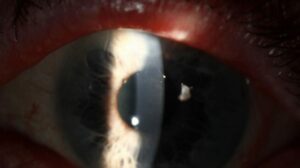
The retina is examined at the slit lamp or with photographs.
OCT may be added to check for swelling.
Pupil Dilation
Dilation takes about 20 minutes.
Vision is blurred and light sensitive for two to four hours.
Patients should bring sunglasses and avoid driving.
Therefore, arrange a ride in advance.
Retinal Photography and Telemedicine
Retinal photographs can be taken without dilation in many cases.
Images are read by a trained grader or by software.
This approach extends access to rural areas.
However, patients with positive images still need an eye specialist.
Understanding the Results
No retinopathy means the next examination is due in one to two years.
Mild disease needs closer review.
Macular swelling or proliferative disease needs treatment.
So explain the result in plain language.
Macular Edema
Fluid at the macula blurs central vision.
OCT measures thickness and guides treatment (see diabetic macular edema).
Anti-VEGF injections are standard care when vision is affected.
Therefore, report any change in reading vision.
Proliferative Disease
New vessels can bleed and cause traction.
Laser or anti-VEGF therapy reduces the risk of severe loss (see proliferative diabetic retinopathy).
Prompt treatment prevents blindness.
So urgent referral is needed.
Diabetic Eye Exam in Pregnancy
Pregnancy can speed up retinopathy.
Women need an examination in the first trimester and regular follow-up.
Plan the visits with the obstetric team (see diabetic retinopathy in pregnancy).
Also check before planned pregnancy.
Other Eye Problems Found
Cataract, glaucoma and dry eye are common in diabetes.
The examination screens for these too.
Treat them as needed.
Therefore, the visit has value beyond the retina.
Reducing Missed Appointments
Remind patients with calls or text messages.
Link the eye visit to other diabetes appointments.
Explain the purpose in simple terms.
So attendance improves.
Diabetic Eye Exam: Practical Summary
Schedule the first visit at diagnosis, repeat it regularly and explain dilation.
Because early disease is silent, never skip it.
If results are abnormal, refer promptly.
Finally, keep blood sugar and pressure in range.
Pitfalls to Avoid
- Do not assume good vision means healthy retinas
- Never skip the first examination at diagnosis
- Avoid long gaps in patients with worsening disease
- Do not forget to warn about dilation
Diabetic Eye Exam and Vision Symptoms
Blurred vision, floaters or dark spots need prompt review.
These symptoms may signal macular edema or bleeding.
Because early disease is silent, symptoms often mean advanced changes.
Therefore, do not wait for the next scheduled exam.
Diabetic Eye Exam and Driving
Dilation affects glare and near vision for several hours.
Patients should plan transport home.
Sunglasses help in bright light.
Also warn those who work with machinery.
Diabetic Eye Exam: What Patients Should Bring
Bring a list of drugs, recent HbA1c values and glasses.
Mention any history of eye injections or laser.
Because the doctor needs context, share your diabetes history.
Then ask about the next visit date.
Diabetic Eye Exam and Children
Children with type 1 diabetes start screening around puberty or after several years of disease.
Retinopathy is rare in young children.
However, long disease duration raises risk.
Therefore, follow national guidelines for age and duration.
Diabetic Eye Exam: Communicating Results
Explain findings with images when possible.
Share results with the primary physician.
Because teamwork improves outcomes, send a short report.
Then confirm that the patient understands the plan.
Diabetic Eye Exam: Costs and Access
Cost is a barrier in many regions.
Mobile screening vans and telemedicine reduce barriers.
If access is limited, prioritize patients with long disease duration.
So design programs around local needs.
For the latest studies, see the PubMed results for diabetic eye exam.


Document what you see
Two smartphone imaging tools built for everyday clinic use — one for the slit lamp, one for the fundus.
From Choroida — the team behind this siteReferences
- Flaxel CJ, Adelman RA, Bailey ST, et al. Diabetic retinopathy preferred practice pattern. Ophthalmology. 2020;127:P66-P145.
- Solomon SD, Chew E, Duh EJ, et al. Diabetic retinopathy: a position statement by the American Diabetes Association. Diabetes Care. 2017;40:412-418.
- Wong TY, Cheung CMG, Larsen M, Sharma S, Simo R. Diabetic retinopathy. Nat Rev Dis Primers. 2016;2:16012.
- American Diabetes Association Professional Practice Committee. Retinopathy, neuropathy, and foot care: Standards of Care in Diabetes-2024. Diabetes Care. 2024;47(Suppl 1):S231-S243.
Test yourself
A few questions straight from this article.
-
When should a patient with type 2 diabetes have the first diabetic eye examination?
All patients with type 2 diabetes need an examination at diagnosis, and skipping that first examination is a listed pitfall. -
When is the first diabetic eye examination due in type 1 diabetes?
Patients with type 1 diabetes need a first examination within five years of diagnosis, while type 2 patients are examined at diagnosis. -
How often may a diabetic patient with no retinopathy and good control be examined?
Annual examination is standard, but patients with no retinopathy and good control may be seen every one to two years; moderate or worse disease needs closer follow-up. -
After pupil dilation for a diabetic eye exam, how long do blur and light sensitivity last?
Dilation takes about 20 minutes and vision is blurred and light sensitive for two to four hours, so patients bring sunglasses and avoid driving. -
In telemedicine diabetic retinal screening, what happens to a patient with a positive image?
Images are read by a trained grader or software, extending access to rural areas, but patients with positive images still need an eye specialist. -
What is standard care for diabetic macular edema once vision is affected?
Fluid at the macula blurs central vision; OCT measures thickness and guides treatment, and anti-VEGF injections are standard care when vision is affected. -
Why do new vessels in proliferative diabetic retinopathy need urgent referral?
New vessels can bleed and cause traction; laser or anti-VEGF therapy reduces the risk of severe loss, so prompt treatment prevents blindness. -
When should a pregnant woman with diabetes have a diabetic eye examination?
Pregnancy can speed up retinopathy, so women need an examination in the first trimester and regular follow-up planned with the obstetric team. -
A diabetic patient reports new floaters and dark spots before the next scheduled eye exam. What is advised?
Blurred vision, floaters or dark spots may signal macular edema or bleeding and need prompt review rather than waiting for the next scheduled exam. -
Why should diabetic eye examinations not wait for visual symptoms?
Retinopathy causes no symptoms until it is advanced, while laser and injections work best before vision drops, so good vision does not mean healthy retinas.

Writes and reviews the clinical articles on Educate. Every post is checked against peer-reviewed sources before it goes live.