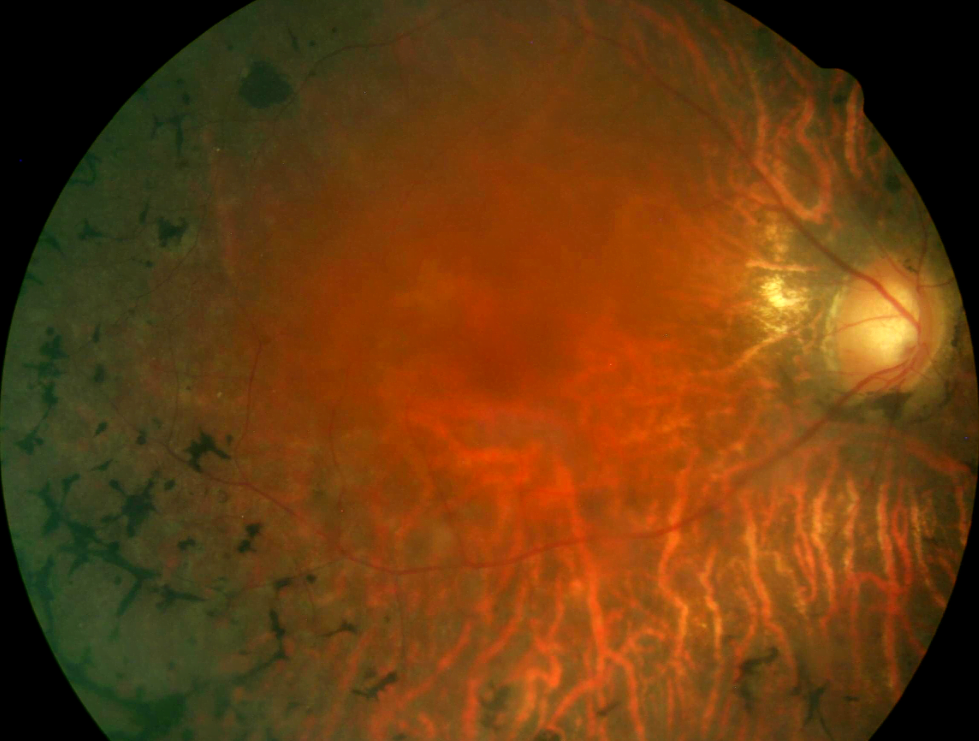
RP vitamin A therapy means daily vitamin A palmitate supplementation for adults with typical retinitis pigmentosa.
Patients ask about it often, because most genotypes still lack a specific treatment. However, the evidence is modest, and the regimen carries real risks.
Why Vitamin A Was Studied in RP
Rod photoreceptors need vitamin A to regenerate rhodopsin, so investigators asked whether extra retinoid supply could support failing rods. The idea was plausible, although the mechanism of any benefit remains uncertain. For background on the disease, see retinitis pigmentosa.
The Landmark RP Vitamin A Trial
Berson and colleagues randomized adults with typical RP to vitamin A, vitamin E, both, or trace doses. The vitamin A arms received 15,000 IU of vitamin A palmitate daily for several years.
The main outcome was the full-field 30 Hz cone electroretinogram (ERG) amplitude. As a result, the trial measured retinal function that patients cannot perceive directly.
Fundus Explorer Pro
Photograph the retinal findings described here with the phone already in your pocket — 22 D optics and built-in illumination in one handheld unit.
From Choroida — the team behind this siteWhat the RP Vitamin A Trial Found
On average, the vitamin A groups showed a slower decline in cone ERG amplitude. However, the trial did not show a clear benefit on visual acuity or visual field. In addition, the 400 IU vitamin E arm appeared to do slightly worse, and for that reason clinicians generally discourage high-dose vitamin E in RP.
How Strong Is the RP Vitamin A Evidence?
A Cochrane review pooled randomized trials of vitamin A and fish oils in RP. The authors found no clear evidence that these supplements preserve field or acuity, and they also questioned whether small ERG differences mean anything functionally. Consequently, some specialists offer vitamin A, while others do not advise it routinely.
DHA and Fish Oil Capsules
A later trial added docosahexaenoic acid (DHA) for patients already taking vitamin A. Overall, DHA gave no significant benefit on the primary outcome, and subgroup analyzes hinted at effects, but these were exploratory. Similarly, the DHAX trial in X-linked RP found no significant overall slowing of cone ERG loss.
Dietary Oily Fish
Observational analyzes linked regular oily fish intake with slower decline in some patients, but because these data are not randomized, they cannot prove cause and effect. Still, one or two weekly servings of oily fish is a low-risk suggestion for most adults.
Lutein and Other Products
Another trial added lutein to vitamin A in adults with RP. The primary analysis showed no significant difference, although secondary analyzes suggested slower midperipheral field loss. Most other antioxidant and herbal products lack controlled RP data.
Who May Be Offered RP Vitamin A
Candidates should resemble the trial population: adults with typical rod-cone RP, and the trial enrolled patients aged 18 to 49 years. Children were not studied, so pediatric efficacy and safety remain unknown. Genetic testing also helps, because some genotypes change the answer.

When to Avoid RP Vitamin A
- Pregnancy or planned pregnancy, because high-dose vitamin A is teratogenic
- ABCA4-related disease, since animal data suggest extra vitamin A may speed lipofuscin buildup
- Liver disease or heavy alcohol use
- Use of retinoid drugs or other high-dose vitamin A products
- Children, where no trial data exist
Safety Monitoring on RP Vitamin A
First, check fasting serum vitamin A and liver function tests before starting, and then repeat these tests at least yearly during treatment. At each visit, ask about headache, joint pain, dry skin and new medications. Finally, stop the supplement and refer if results become abnormal.
Syndromic RP Is Different
Some pigmentary retinopathies have a treatable metabolic cause, for example abetalipoproteinemia, which needs fat-soluble vitamin replacement, including vitamin E. Likewise, Refsum disease responds to phytanic acid restriction (see Refsum disease). Therefore, exclude these conditions before calling supplements optional.
Discussing RP Vitamin A With Patients
Begin by explaining that no supplement restores lost vision, and next, describe the trial honestly as a small average effect on retinal function tests. Then review risks, monitoring and cost, and let the patient decide. Many patients appreciate a shared decision more than a firm prescription.
Setting Realistic Expectations
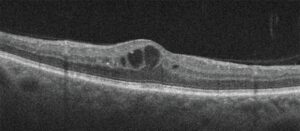
Patients often hope supplements will halt night blindness or field loss, but symptoms usually keep progressing on treatment. Meanwhile, regular follow-up still detects cataract and cystoid macular edema, which remain treatable (see CME in RP).
Supplements and Clinical Trials
Gene therapy is approved for RPE65-related disease, and other genetic trials continue. Some trial protocols restrict concurrent supplements, so check eligibility rules before a patient starts or stops vitamin A.
Pitfalls to Avoid
- Do not prescribe vitamin A before excluding pregnancy
- Avoid vitamin A in suspected Stargardt or other ABCA4 disease
- Do not add high-dose vitamin E
- Never skip baseline and yearly blood tests
- Do not promise better night vision or preserved fields


Document what you see
Two smartphone imaging tools built for everyday clinic use — one for the slit lamp, one for the fundus.
From Choroida — the team behind this siteReferences
- Berson EL, Rosner B, Sandberg MA, et al. A randomized trial of vitamin A and vitamin E supplementation for retinitis pigmentosa. Arch Ophthalmol. 1993;111:761-772.
- Berson EL, Rosner B, Sandberg MA, et al. Clinical trial of docosahexaenoic acid in patients with retinitis pigmentosa receiving vitamin A treatment. Arch Ophthalmol. 2004;122:1297-1305.
- Berson EL, Rosner B, Sandberg MA, et al. Clinical trial of lutein in patients with retinitis pigmentosa receiving vitamin A. Arch Ophthalmol. 2010;128:403-411.
- Hoffman DR, Hughbanks-Wheaton DK, Pearson NS, et al. Four-year placebo-controlled trial of docosahexaenoic acid in X-linked retinitis pigmentosa (DHAX trial). JAMA Ophthalmol. 2014;132:866-873.
- Schwartz SG, Wang X, Chavis P, Kuriyan AE, Abariga SA. Vitamin A and fish oils for preventing the progression of retinitis pigmentosa. Cochrane Database Syst Rev. 2020;6:CD008428.
Test yourself
A few questions straight from this article.
-
What does RP vitamin A therapy mean in retinitis pigmentosa?
The article defines RP vitamin A therapy as daily vitamin A palmitate supplementation for adults with typical retinitis pigmentosa. -
Why was vitamin A studied as a treatment for retinitis pigmentosa?
Rod photoreceptors need vitamin A to regenerate rhodopsin, so investigators asked whether extra retinoid supply could support failing rods. -
What daily dose of vitamin A palmitate did the vitamin A arms receive in the landmark RP trial?
In the Berson randomized trial, the vitamin A arms received 15,000 IU of vitamin A palmitate daily for several years. -
What was the main outcome measure of the landmark retinitis pigmentosa vitamin A trial?
The main outcome was the full-field 30 Hz cone ERG amplitude, so the trial measured retinal function that patients cannot perceive directly. -
What did the vitamin A arms show in the retinitis pigmentosa trial?
On average the vitamin A groups showed a slower decline in cone ERG amplitude, but the trial did not show a clear benefit on visual acuity or visual field. -
Why do clinicians generally discourage high-dose vitamin E in retinitis pigmentosa?
In the trial the 400 IU vitamin E arm appeared to do slightly worse, so clinicians generally discourage high-dose vitamin E in RP. -
What did the Cochrane review conclude about vitamin A and fish oils in retinitis pigmentosa?
The Cochrane review found no clear evidence these supplements preserve field or acuity, and questioned whether small ERG differences mean anything functionally. -
What did the later trial adding DHA to vitamin A find in retinitis pigmentosa?
The article states DHA gave no significant benefit on the primary outcome, and subgroup analyses hinting at effects were exploratory. -
Why can observational data on oily fish intake in retinitis pigmentosa not prove benefit?
Observational analyses linked oily fish intake with slower decline in some patients, but because they are not randomized they cannot prove cause and effect. -
Why should vitamin A be avoided in ABCA4-related disease, such as Stargardt disease?
The article lists ABCA4-related disease as a reason to avoid vitamin A, since animal data suggest extra vitamin A may speed lipofuscin buildup.

Writes and reviews the clinical articles on Educate. Every post is checked against peer-reviewed sources before it goes live.