Eyelid twitching is a common and often harmless symptom.
Most episodes last days and resolve without treatment.
Persistent or spreading twitches need a closer look.
What Is Eyelid Twitching
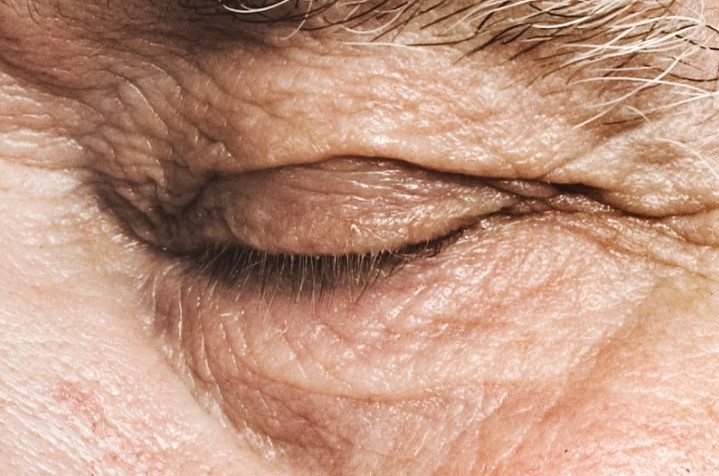
Eyelid myokymia is a fine, repetitive contraction of the orbicularis muscle.
It affects one lid, usually the lower.
It is visible to others only rarely.
Therefore, the sensation is often stronger than the sign.
Common Triggers
Fatigue, stress and caffeine are classic triggers.
Alcohol and lack of sleep also contribute.
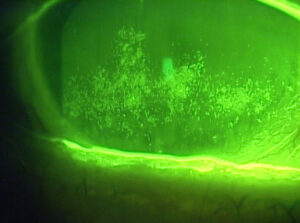
Dry eye and screen use add to it.
So ask about lifestyle.
All-fit Slit-Lamp Adapter
Record and share exactly what you see at the slit lamp. One adapter fits any slit lamp or surgical microscope — and any smartphone.
From Choroida — the team behind this siteEyelid Twitching and Eye Strain
Uncorrected refractive error forces the eye to work harder.
Long screen sessions reduce blinking.
Both can trigger twitching.
Also check glasses and the tear film.
Eyelid Twitching and Dry Eye
Dry eye irritates the surface and the lid.
Lubricants may help (see dry eye disease).
Treating blepharitis can reduce twitching.
Therefore, examine the ocular surface.
Natural Course
Most episodes last from days to a few weeks.
They come and go.
Rarely, they last longer.
So reassure patients about the good outlook.
Practical Home Measures
Reduce caffeine and alcohol.
Sleep regularly and manage stress.
Use warm compresses and lubricating drops.
Also take screen breaks.
When Eyelid Twitching Needs Evaluation
Seek care if twitching lasts more than three weeks.
Spread to other facial muscles is a warning sign.
Eye closure, drooping or vision changes also need review.
Therefore, document the pattern.
Blepharospasm
Blepharospasm causes bilateral, forceful eyelid closure (see essential blepharospasm).
It begins with increased blinking and light sensitivity.
It is a focal dystonia.
So it differs from simple myokymia.
Hemifacial Spasm
Hemifacial spasm affects one side of the face.
It starts around the eye and spreads downward.
A vessel compressing the facial nerve is a common cause.
Also consider imaging.
Tics and Habit Spasm
Tics cause brief, repeated blinking or grimacing.
They are common in children.
They can be suppressed for a short time.
Therefore, look at the context.
Drug and Medical Causes
Some drugs and neurological diseases cause lid movements.
Ask about antipsychotics, anticonvulsants and new medications.
Rarely, brainstem disease causes persistent twitching.
So review the full history.
Treatment
Reassurance and trigger control are usually enough.
Botulinum toxin treats blepharospasm and hemifacial spasm.
It is not needed for typical myokymia.
Also avoid unneeded drugs.
Counseling Patients
Explain that myokymia is not a sign of a serious disease.
Describe the red flags.
Give advice about rest and screen habits.
So patients feel reassured.
Eyelid Twitching: Practical Summary
Ask about triggers, examine the surface and check refraction.
If twitching persists or spreads, refer.
Because most cases settle, reassure first.
Finally, review if symptoms change.
Pitfalls to Avoid
- Do not mistake blepharospasm for simple twitching
- Never ignore twitching with facial weakness
- Avoid long-term drugs for self-limited myokymia
- Do not forget to review medications
Eyelid Twitching and Sleep
Short sleep is a common trigger.
If twitching started after a bad week, rest usually cures it.
Because sleep restores muscle control, advise a regular schedule.
Therefore, ask about shift work and travel.
Eyelid Twitching and Caffeine
Coffee and energy drinks stimulate muscle activity.
If the patient drinks many cups, reduce the amount.
Because withdrawal can cause headache, taper slowly.
So explain the plan.
Eyelid Twitching and Magnesium
Some patients try magnesium supplements.
Evidence of benefit is weak.
Because high doses cause diarrhea, use caution.
Therefore, do not rely on supplements.
Eyelid Twitching in Children
Children may have tics that look like twitching.
They often fade with time.
Because stress can worsen tics, reduce pressure.
So reassure parents.
Eyelid Twitching and Botulinum Toxin
Toxin injection is not needed for self-limited myokymia.
If twitching is severe and persistent, the diagnosis may be different.
Because treatment aims at spasm, confirm the cause first.
Then refer to a specialist.
When Eyelid Twitching Is a Warning
Persistent twitching with facial weakness suggests a nerve problem.
Twitching with double vision or drooping needs urgent review.
Because rare causes exist, document the exam.
Finally, arrange imaging when signs are present.
Eyelid Twitching: Key Message
Most cases are benign and settle with rest.
If twitching persists, look for dry eye and refractive error.
Because spasm disorders are different, watch for spread.
Finally, reassure patients and give a clear follow-up plan.
Eyelid Twitching: Patient Questions
Patients ask whether twitching signals a brain tumor.
It almost never does when it affects one lid alone.
They also ask how long it will last.
Most episodes settle within days to weeks.
For the latest studies, see the PubMed results for eyelid twitching.


Document what you see
Two smartphone imaging tools built for everyday clinic use — one for the slit lamp, one for the fundus.
From Choroida — the team behind this siteReferences
- Defazio G, Hallett M, Jinnah HA, Berardelli A. Development and validation of a clinical guideline for diagnosing blepharospasm. Neurology. 2013;81:236-240.
- Hallett M, Evinger C, Jankovic J, Stacy M. Update on blepharospasm: report from the BEBRF International Workshop. Neurology. 2008;71:1275-1282.
- Jankovic J. Botulinum toxin in clinical practice. J Neurol Neurosurg Psychiatry. 2004;75:951-957.
- American Academy of Ophthalmology. Basic and Clinical Science Course, Section 5: Neuro-Ophthalmology. San Francisco: American Academy of Ophthalmology.

Writes and reviews the clinical articles on Educate. Every post is checked against peer-reviewed sources before it goes live.