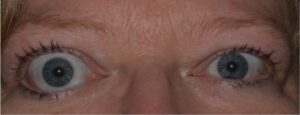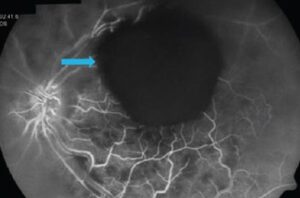
Methanol optic neuropathy is an acute toxic injury to the optic nerves after ingestion of methanol, and it is an emergency that can cause permanent blindness and death.
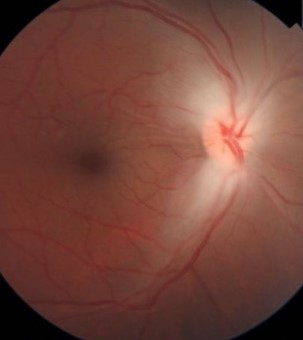
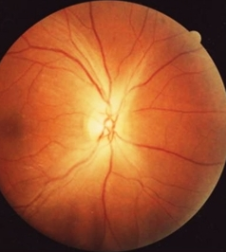
It occurs in outbreaks from adulterated alcohol, and in accidental or intentional ingestion of products that contain methanol.
The eye findings may be the first presentation, and the ophthalmologist can recognize the poisoning and start treatment.
How Methanol Optic Neuropathy Develops
Methanol itself is not very toxic, but it is metabolized in the liver by alcohol dehydrogenase to formaldehyde and then to formic acid.
Formic acid inhibits cytochrome oxidase in the mitochondria, which impairs energy production in the retinal ganglion cell axons and optic nerve, and it accumulates in the blood and causes metabolic acidosis.
The retrolaminar part of the optic nerve is particularly sensitive, which explains the selective visual loss.
Toxicity begins after a latent period, usually 12 to 24 hours, and sometimes longer, because the toxic metabolites accumulate slowly.
Clinical Features
- Blurred vision, a “snowstorm” or misty vision, and photophobia, often with a central scotoma
- Reduced acuity, bilateral and symmetrical, which may progress to blindness
- Dilated, poorly reactive pupils, which indicate a severe poisoning
- Hyperemic and swollen optic discs in the acute phase, followed by pallor and atrophy
- Systemic features: headache, nausea, abdominal pain, dyspnea from acidosis, and an altered mental state
Laboratory tests show a high anion gap metabolic acidosis, a raised osmolar gap, and elevated methanol and formate levels.
Brain imaging may show necrosis of the putamen and subcortical white matter.
Fundus Explorer Pro
Photograph the retinal findings described here with the phone already in your pocket — 22 D optics and built-in illumination in one handheld unit.
From Choroida — the team behind this siteDifferential Diagnosis
- Other toxic optic neuropathies: ethambutol, linezolid, and tobacco-alcohol amblyopia (see toxic and nutritional optic neuropathy)
- Optic neuritis: unilateral or asymmetric, with pain on movement (see optic neuritis)
- Leber hereditary optic neuropathy and ischemic neuropathy: different course and age
- Ethylene glycol poisoning: acidosis with renal failure and hypocalcemia
Management
Treatment must begin quickly, without waiting for the visual outcome.
- Block methanol metabolism: fomepizole, or ethanol when fomepizole is not available, prevents formation of formic acid
- Correct acidosis: intravenous sodium bicarbonate
- Remove methanol and formate: hemodialysis for severe acidosis, high methanol levels, or visual signs
- Cofactor therapy: folinic acid or folic acid, which enhances the metabolism of formate
Some reports describe visual improvement after high-dose intravenous methylprednisolone, but the evidence is limited, and it should not replace the standard measures.
Refer the patient to the emergency and toxicology services at once.
Prognosis
The severity of acidosis at presentation and the delay to treatment are strong predictors of the outcome, and patients with a very low pH have a worse prognosis.
Some patients recover vision, and many have permanent loss or visual field defects, and optic atrophy.
Follow the patient with visual acuity, color vision, visual field, and OCT of the nerve fiber layer.
Public health warnings about adulterated alcohol, safe storage of methanol products, and early presentation can reduce the harm.
Recognizing Poisoning in the Eye Clinic
A patient may arrive with sudden blurred vision after drinking, and the history of alcohol consumption may be hidden or unclear.
Ask about the type and source of the alcohol, the quantity, and the time of ingestion, and ask about others who drank from the same source.
Check the pupils, the optic discs, and the visual fields, and note any difficulty breathing or confusion.
Call the emergency or poison control service at once when methanol poisoning is suspected, and arrange transfer to a center that can perform dialysis.
Outbreaks and Public Health
Outbreaks follow the sale of adulterated or illicit alcohol, and many patients may present at once from the same area.
Reporting to health authorities helps to remove the contaminated product and to find other victims.
Ophthalmologists in affected regions should be familiar with the signs, since they may be the first to see the patients.
Late Effects
Optic atrophy with diffuse pallor and loss of the nerve fiber layer develops over weeks, and some patients show cupping of the disc.
The visual field may show a central or cecocentral scotoma, or a general constriction.
Patients with brain involvement can have parkinsonism and other neurological sequelae from basal ganglia necrosis.
Rehabilitation
Refer patients with permanent visual loss to low-vision services, and arrange psychological and social support, since many are young adults and the loss is sudden.
Counsel against further alcohol intake, and provide information about the source of the poisoning to prevent recurrence.
Emphasize to families that even a small amount of an unknown or homemade spirit can be dangerous, and that any visual symptom after drinking needs emergency care.
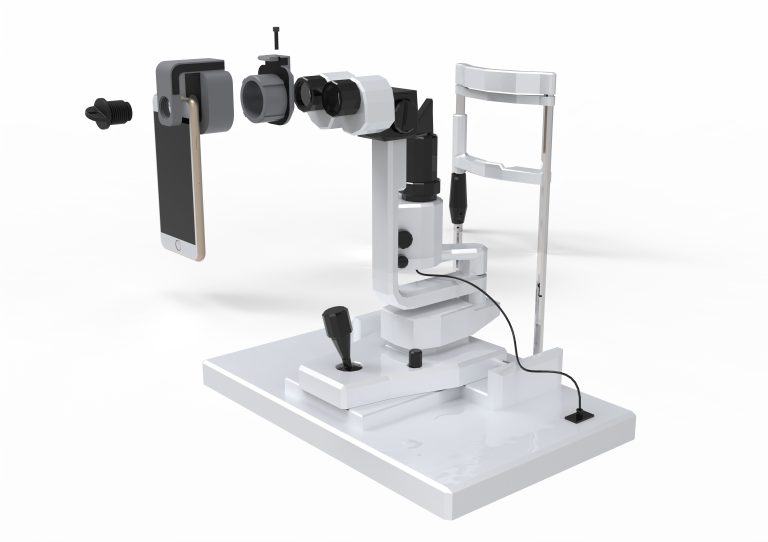
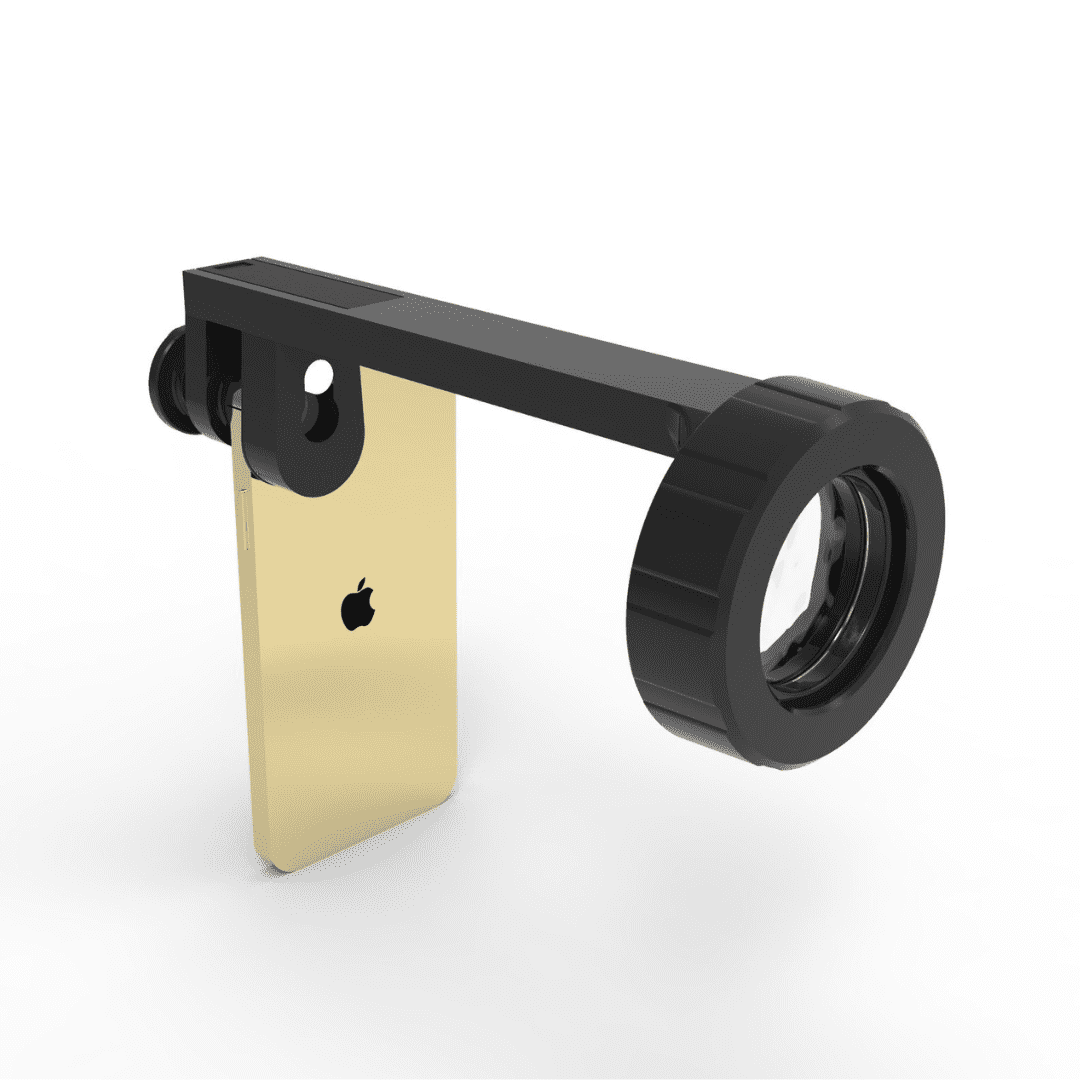
Document what you see
Two smartphone imaging tools built for everyday clinic use — one for the slit lamp, one for the fundus.
From Choroida — the team behind this siteReferences
- Desai T, Sudhalkar A, Vyas U, Khamar B. Methanol poisoning: predictors of visual outcomes. JAMA Ophthalmol. 2013;131:358-364.
- Barceloux DG, Bond GR, Krenzelok EP, et al. American Academy of Clinical Toxicology practice guidelines on the treatment of methanol poisoning. J Toxicol Clin Toxicol. 2002;40:415-446.
- Liu GT, Volpe NJ, Galetta SL. Neuro-Ophthalmology: Diagnosis and Management. 3rd ed. Elsevier; 2019.
- American Academy of Ophthalmology. Basic and Clinical Science Course, Section 5: Neuro-Ophthalmology. AAO; current edition.

Writes and reviews the clinical articles on Educate. Every post is checked against peer-reviewed sources before it goes live.