
Introduction
Pars plana vitrectomy with internal limiting membrane (ILM) peeling has transformed the management of full-thickness macular holes, achieving anatomical closure rates that often exceed 90% in modern surgical practice.
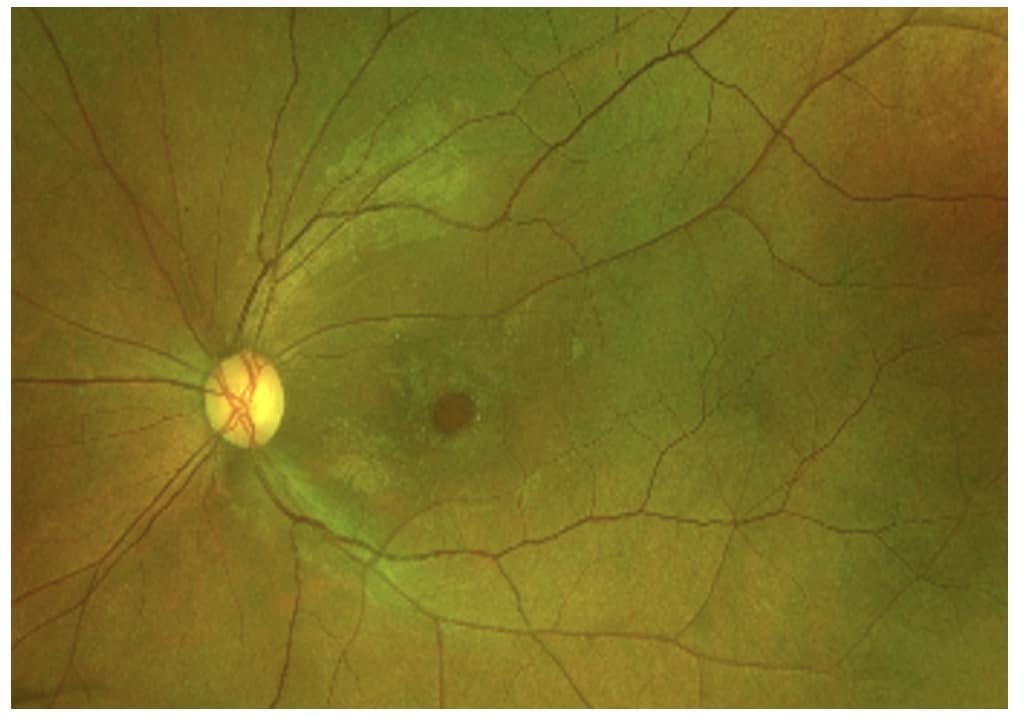
For most patients, successful closure leads to improved visual acuity, reduced metamorphopsia, and long-term anatomical stability.
However, despite an initially successful outcome, a small percentage of macular holes reopen months or even years after surgery.
Reopening can be frustrating for both patients and surgeons, particularly when visual recovery had been satisfactory following the initial procedure.
Understanding why some macular holes reopen is essential for improving long-term outcomes, identifying high-risk patients, and optimizing postoperative management.
For retina specialists, recognizing the mechanisms behind reopening can guide both prevention and treatment strategies.
What Is a Reopened Macular Hole?
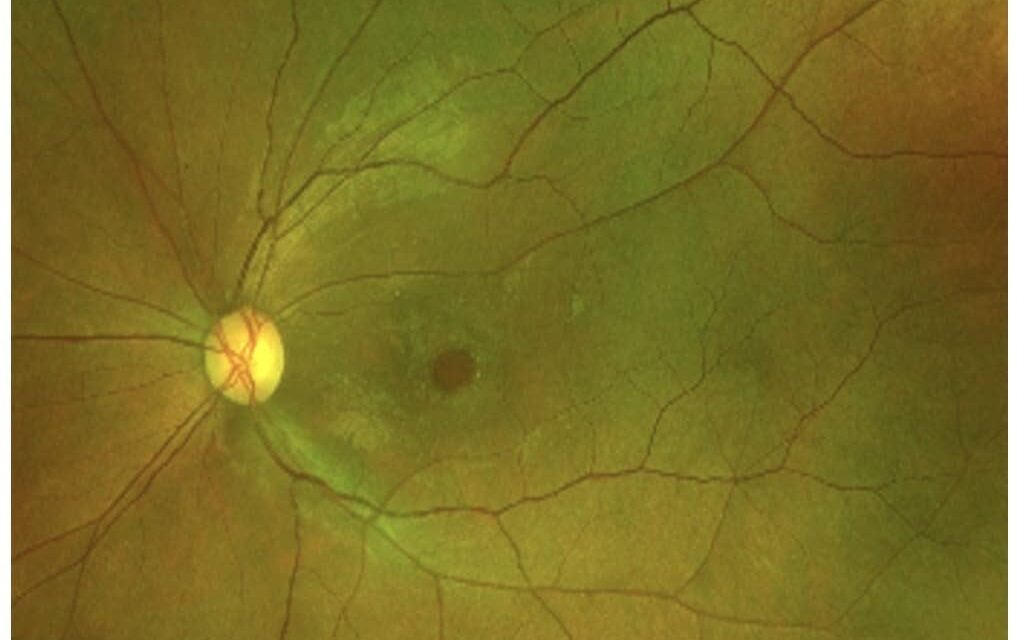
A reopened macular hole refers to the recurrence of a full-thickness foveal defect after documented anatomical closure following surgery.
This differs from:
- Persistent macular holes that never fully close
- Flat-open configurations where the hole edges flatten without complete retinal restoration
- Incomplete closure patterns were observed early in the postoperative period
👉 True reopening occurs after an initially successful anatomical result has been achieved.
Fundus Explorer Pro
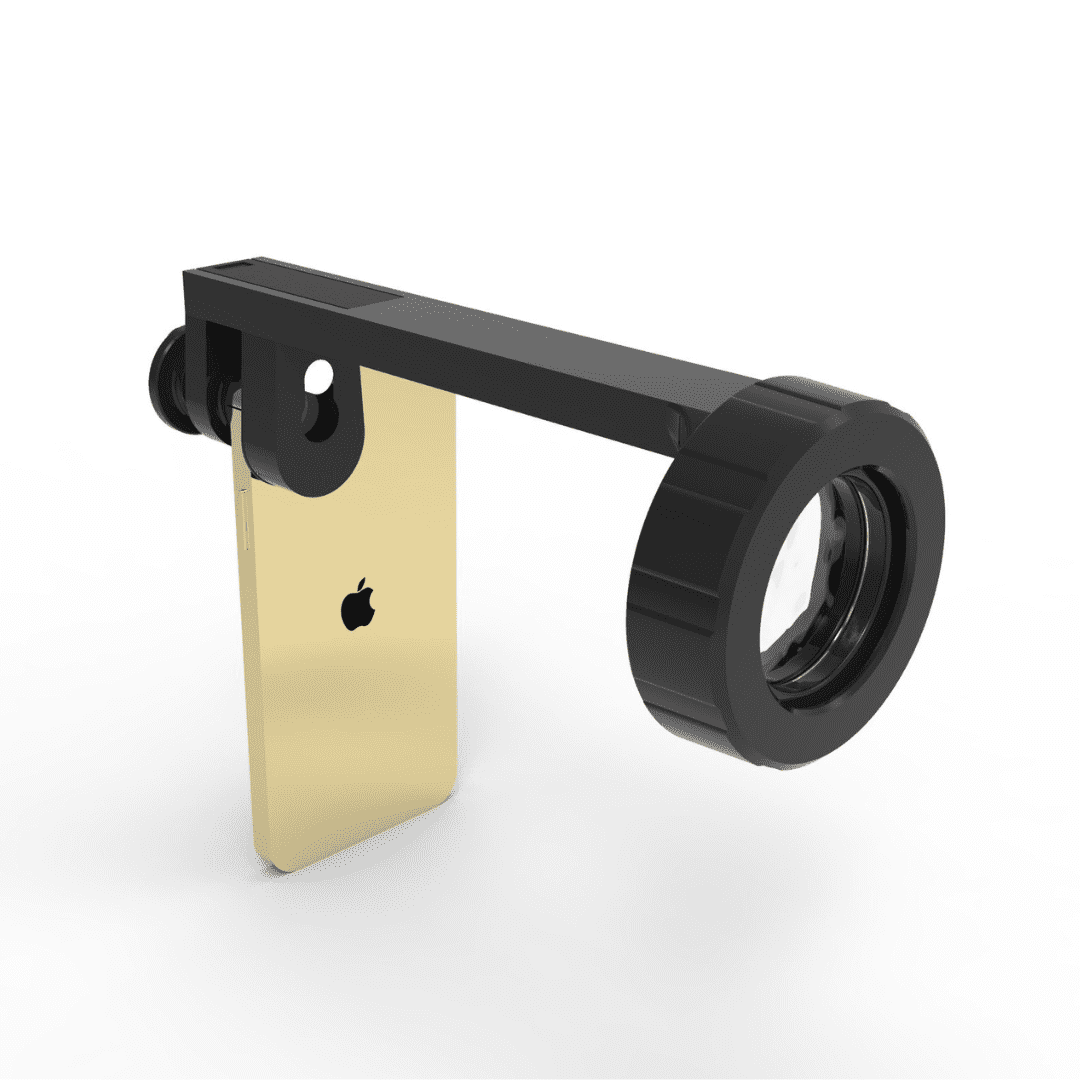
Photograph the retinal findings described here with the phone already in your pocket — 22 D optics and built-in illumination in one handheld unit.
From Choroida — the team behind this siteHow Common Is Macular Hole Reopening?
Fortunately, reopening is relatively uncommon.
Reported rates generally range from:
- 2% to 10% of operated cases
The exact incidence depends on:
- Surgical technique
- Duration of follow-up
- Hole size
- Associated retinal pathology
Modern ILM peeling techniques have significantly reduced reopening rates compared with earlier surgical approaches.
Why Do Macular Holes Reopen?
Macular hole reopening is rarely caused by a single factor. Instead, it usually results from recurrent tractional forces or structural changes within the retina.
Several mechanisms have been identified.
1. Epiretinal Membrane Formation
One of the most common causes of reopening is the development of a postoperative epiretinal membrane (ERM).
How It Happens
Residual glial cells may proliferate on the retinal surface, creating a contractile membrane that exerts tangential traction.
This traction can:
- Distort the foveal architecture
- Recreate mechanical stress
- Pull open a previously closed hole
Clinical Clues
- Progressive visual decline after initial improvement
- Increasing metamorphopsia
- Surface wrinkling is visible on OCT
👉 Postoperative ERM formation remains one of the leading causes of late macular hole reopening.
2. Incomplete Relief of Traction
Although surgery aims to eliminate vitreomacular traction, residual tractional forces may occasionally persist.
Potential sources include:
- Incomplete posterior hyaloid separation
- Residual cortical vitreous
- Incomplete membrane removal
Even subtle residual traction can compromise long-term stability.
3. Inadequate Internal Limiting Membrane Peeling
ILM peeling has become a standard component of modern macular hole surgery because it reduces recurrent traction and lowers reopening rates.
Without adequate ILM removal:
- Cellular proliferation may continue
- Tangential traction may redevelop
- Closure durability may decrease
Studies consistently demonstrate lower recurrence rates when ILM peeling is performed.
👉 The introduction of ILM peeling was one of the most important advances in macular hole surgery.
4. Cataract Surgery After Macular Hole Repair
Several studies have suggested an association between cataract extraction and subsequent macular hole reopening.
Possible mechanisms include:
- Changes in vitreoretinal biomechanics
- Postoperative inflammation
- Induction of cystoid macular edema
Although cataract surgery is generally safe after successful macular hole repair, careful monitoring remains important.
5. Cystoid Macular Edema (CME)
Postoperative CME may increase the risk of reopening.
Why CME Matters
Fluid accumulation within the retina can:
- Weaken foveal tissue
- Disrupt healing interfaces
- Increase retinal stress
Persistent edema may ultimately contribute to recurrent full-thickness defects.
OCT Findings
- Intraretinal cystic spaces
- Foveal thickening
- Progressive structural instability
6. Large Original Macular Holes
Preoperative hole size remains one of the most important prognostic factors.
Large holes often have:
- Greater retinal tissue loss
- More significant photoreceptor disruption
- Increased mechanical stress after closure
Even when initially successful, large holes may have reduced long-term stability.
👉 The larger the original defect, the greater the risk of both surgical failure and future reopening.
7. High Myopia
Highly myopic eyes present unique anatomical challenges.
Factors contributing to reopening include:
- Posterior staphyloma
- Retinal stretching
- Chorioretinal atrophy
- Abnormal vitreoretinal relationships
These eyes often experience persistent biomechanical stress even after successful surgery.
8. Recurrent Vitreoretinal Traction
In some cases, new tractional forces develop over time.
Potential causes include:
- Secondary membrane formation
- Vitreoschisis-related changes
- Progressive retinal remodeling
These changes may gradually destabilize a previously closed fovea.
OCT: The Most Valuable Tool for Detection
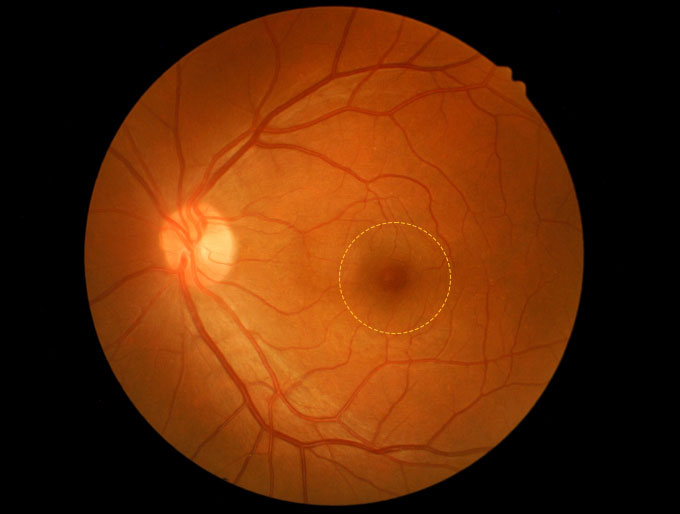
Optical coherence tomography is indispensable in evaluating reopened macular holes.
OCT Findings May Include
- Recurrent full-thickness defect
- Epiretinal membrane formation
- Intraretinal cystic changes
- Foveal deformation
- Persistent traction
Serial OCT imaging often identifies subtle structural changes before significant visual symptoms develop.
👉 OCT has become the gold standard for both diagnosis and postoperative monitoring.
Clinical Symptoms of Reopening
Patients may initially notice:
- Declining visual acuity
- Recurrence of metamorphopsia
- New central blur
- Reduced reading performance
Some cases remain asymptomatic initially and are detected only during routine follow-up imaging.
Can Reopened Macular Holes Be Repaired Again?
Fortunately, many reopened macular holes can be successfully treated.
Surgical Options Include
- Repeat vitrectomy
- Additional ILM peeling
- Enlargement of the peel area
- Inverted ILM flap techniques
- Gas tamponade
Success rates for reoperation are generally favorable, particularly when the cause of reopening is identified and addressed.
Strategies to Reduce Reopening Risk
Several measures may improve long-term outcomes.
Surgical Factors
- Complete vitreous removal
- Adequate ILM peeling
- Careful membrane assessment
- Appropriate tamponade selection
Postoperative Factors
- Monitoring with OCT
- Early detection of ERM formation
- Prompt management of CME
- Follow-up after cataract surgery
👉 Prevention begins with meticulous surgery and continues through long-term surveillance.
Future Perspectives
Macular hole surgery continues to evolve.
Emerging approaches include:
- Advanced flap techniques
- Autologous retinal transplantation
- Lens capsule transplantation
- Biologic tissue scaffolds
- Enhanced intraoperative OCT guidance
These innovations may further improve closure durability and reduce reopening rates in complex cases.
Document what you see
Two smartphone imaging tools built for everyday clinic use — one for the slit lamp, one for the fundus.
From Choroida — the team behind this siteReferences
- Kelly NE, Wendel RT. “Vitreous surgery for idiopathic macular holes. Results of a pilot study.” Arch Ophthalmol. 1991.
- Brooks HL Jr. “Macular hole surgery with and without internal limiting membrane peeling.” Ophthalmology. 2000.
- Christensen UC, et al. “Value of internal limiting membrane peeling in surgery for idiopathic macular hole.” Br J Ophthalmol. 2009.
- Guillaubey A, et al. “Incidence and predictive factors for macular hole reopening.” Am J Ophthalmol. 2007.
- Kang SW, et al. “Macular hole reopening after successful surgical closure.” Retina. 2013.
- Tadayoni R, et al. “Recurrent macular hole after cataract surgery.” Ophthalmology. 2006.
Test yourself
A few questions straight from this article.
-
A reopened macular hole after surgery is defined by which finding?
True reopening is a recurrent full-thickness foveal defect after anatomical closure was documented, which differs from a hole that never closed or a flat-open configuration. -
What anatomical closure rate does modern macular hole surgery often exceed?
Pars plana vitrectomy with internal limiting membrane peeling achieves anatomical closure rates that often exceed 90% in modern surgical practice. -
What is the reported rate of macular hole reopening after initially successful surgery?
Reopening is relatively uncommon, with reported rates generally ranging from 2% to 10% of operated cases depending on technique, follow-up and hole size. -
Which postoperative event is a leading cause of late macular hole reopening?
Residual glial cells may proliferate into a contractile epiretinal membrane whose tangential traction distorts the fovea and can pull a closed hole open again. -
Why has internal limiting membrane peeling become standard in macular hole surgery?
ILM peeling reduces recurrent traction and lowers reopening rates; without adequate removal, cellular proliferation continues and tangential traction may redevelop. -
By which mechanisms may cataract surgery contribute to macular hole reopening?
Proposed mechanisms after cataract extraction include changes in vitreoretinal biomechanics, postoperative inflammation and induction of cystoid macular oedema. -
How does postoperative cystoid macular oedema raise the risk of hole reopening?
Fluid accumulation within the retina weakens foveal tissue, disrupts healing interfaces and increases retinal stress, which may lead to a recurrent full-thickness defect. -
Why do large original macular holes carry a higher risk of later reopening?
Large holes involve greater retinal tissue loss, more photoreceptor disruption and increased mechanical stress after closure, so long-term stability is reduced. -
Which feature of highly myopic eyes contributes to macular hole reopening?
Posterior staphyloma, retinal stretching, chorioretinal atrophy and abnormal vitreoretinal relationships leave highly myopic eyes under persistent biomechanical stress after surgery. -
Which surgical option is used to repair a reopened macular hole?
Reopened holes are usually managed with repeat vitrectomy, additional or enlarged ILM peeling, inverted ILM flap techniques and gas tamponade, with generally favourable success rates.
