Antihistamine eye drops are the mainstay of treatment for allergic conjunctivitis.
Itching is the defining symptom, and drops relieve it within minutes.
Choosing the right class helps patients stay comfortable through the season.
Why Antihistamine Eye Drops Work
Allergen exposure triggers mast cells to release histamine.
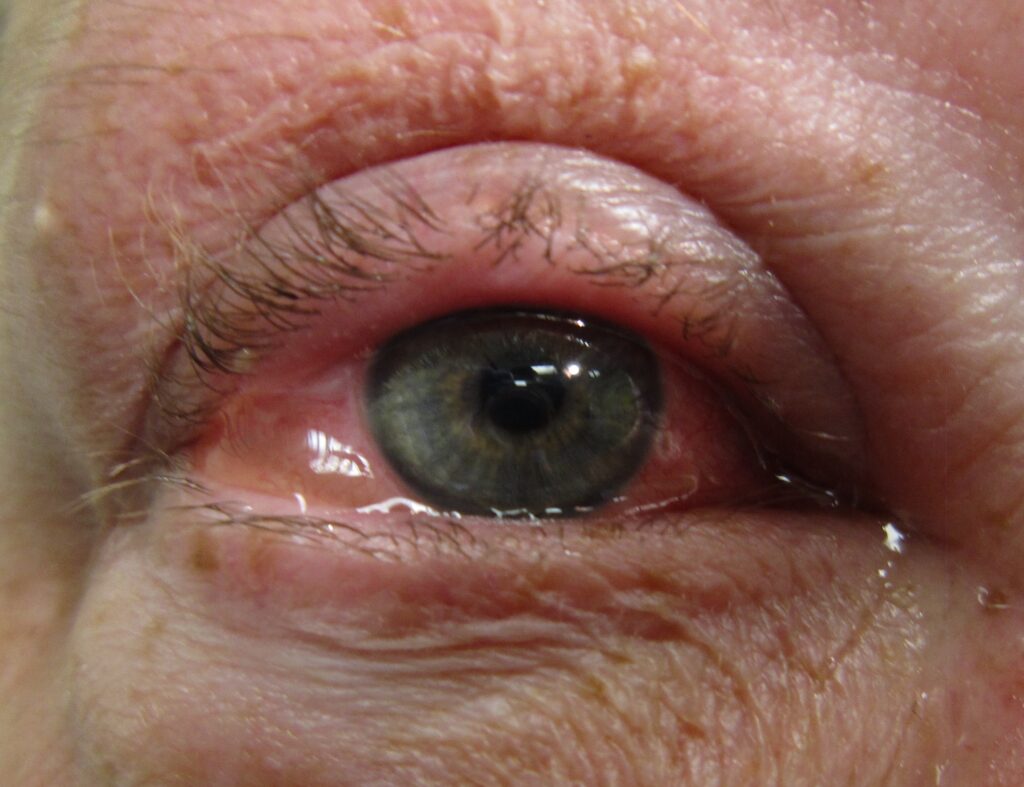
Histamine causes itching, redness and swelling of the conjunctiva.
Antihistamine eye drops block its receptors on the surface.
As a result, symptoms settle quickly (see allergic conjunctivitis).
Dual-Action Antihistamine Eye Drops
Olopatadine, ketotifen and azelastine combine antihistamine and mast cell stabilizing effects.
They act within minutes and last for hours.
Therefore, most patients need only one or two drops daily.
These agents are the usual first choice.
Fundus Explorer Pro
Photograph the retinal findings described here with the phone already in your pocket — 22 D optics and built-in illumination in one handheld unit.
From Choroida — the team behind this siteMast Cell Stabilizers Alone
Cromolyn and similar drops prevent histamine release.
However, they take days to work.
They suit patients with predictable seasonal exposure.
So start them before the season begins.
Topical Decongestants
Over-the-counter redness relievers shrink conjunctival vessels.
They do not treat itching.
Also, frequent use causes rebound redness.
Therefore, advise against long-term use.
Combination Products
Some products combine an antihistamine with a decongestant.
They can improve comfort for a short period.
However, the same rebound risk applies.
So avoid them for chronic allergy.
Topical Steroids
Short courses of a low-potency steroid help severe flares.
Vernal and atopic disease sometimes need them (see vernal keratoconjunctivitis).
However, steroids can raise pressure and form cataract.
Therefore, review these patients with a slit lamp.
Oral Antihistamines
Oral drugs help patients with allergic rhinitis.
However, they may dry the eye and worsen symptoms.
Also, they act more slowly than drops.
So combine them with topical therapy if needed.
Non-Drug Measures
Cold compresses calm itching.
Avoid rubbing, because it releases more histamine.
Also, wash hair and clothes after outdoor exposure.
Preservative-free lubricants dilute allergens on the surface.
Contact Lens Wearers
Most antihistamine drops contain preservatives that bind to soft lenses.
Remove lenses before instillation and wait before reinsertion.
Daily disposable lenses reduce allergen buildup.
Therefore, consider a change in lens type.
Safe Use of Antihistamine Eye Drops
Teach the technique and keep the tip clean.
Twice-daily drops are enough for most agents.
Stop use and seek review if pain or reduced vision occurs.
Also avoid sharing bottles.
When to Refer
Refer children with severe, sight-threatening vernal disease.
Refer patients with corneal involvement or shield ulcers.
Also refer when symptoms continue despite treatment.
Therefore, give clear return advice.
Pitfalls to Avoid
- Do not use redness relievers for chronic itching
- Never continue steroids without review
- Avoid wearing soft lenses right after instillation
- Do not ignore corneal signs in vernal disease
Antihistamine Eye Drops in Children
Children tolerate dual-action drops well.
Choose a product approved for their age.
Teach parents how to instill them.
Also watch for stinging that causes refusal.
Antihistamine Eye Drops in Pregnancy
Discuss risks and benefits with the obstetric team.
Cromolyn has a long safety record.
Avoid steroids unless clearly needed.
Therefore, begin with cold compresses and lubricants.
Antihistamine Eye Drops for Seasonal Planning
Start treatment one to two weeks before the expected pollen season.
Continue through the season.
Review at the end and stop if symptoms are gone.
Also adjust if the exposure changes.
Antihistamine Eye Drops and Dry Eye
Some patients feel burning after the drops.
Dry eye often coexists with allergy.
Add preservative-free lubricants.
So treat both conditions together.
Monitoring Antihistamine Eye Drops
Assess symptoms and signs after two weeks.
Look for lid swelling, papillae and corneal staining.
Stop steroids as soon as possible.
Also record the pressure if steroids were used.
Allergen Avoidance
Keep windows closed on high pollen days.
Use air filters and wash bedding in hot water.
Also avoid known triggers like pets when possible.
These steps reduce the need for drops.
Antihistamine Eye Drops Versus Oral Drugs
Drops act within minutes, while tablets take longer.
Tablets suit patients with nasal symptoms as well.
Many patients use both together.
So choose the route by symptom pattern.
Antihistamine Eye Drops and Safety
Local side effects are mild and include stinging.
Systemic absorption is small.
Serious reactions are rare.
Therefore, antihistamine eye drops are suitable for long seasonal use.
Antihistamine Eye Drops and Patient Preference
Some patients prefer a once-daily drop.
Others like a bottle without preservative.
Cost also affects the choice.
So discuss options openly.
Practical Summary
When itching dominates, begin with a dual-action drop.
If symptoms stay mild, lubricants and cold compresses may be enough.
However, refer any patient with pain or reduced vision.
Therefore, keep the plan simple and review it after two weeks.
For the latest studies, see the PubMed results for antihistamine eye drops.


Document what you see
Two smartphone imaging tools built for everyday clinic use — one for the slit lamp, one for the fundus.
From Choroida — the team behind this siteReferences
- Bielory L, Delgado L, Katelaris CH, et al. ICON: diagnosis and management of allergic conjunctivitis. Ann Allergy Asthma Immunol. 2020;124:118-134.
- La Rosa M, Lionetti E, Reibaldi M, et al. Allergic conjunctivitis: a comprehensive review of the literature. Ital J Pediatr. 2013;39:18.
- Varu DM, Rhee MK, Akpek EK, et al. Conjunctivitis preferred practice pattern. Ophthalmology. 2019;126:P1-P55.
- Azari AA, Barney NP. Conjunctivitis: a systematic review of diagnosis and treatment. JAMA. 2013;310:1721-1729.
Test yourself
A few questions straight from this article.
-
What is the defining symptom of allergic conjunctivitis?
Itching is the defining symptom of allergic conjunctivitis, and antihistamine drops relieve it within minutes. -
In allergic conjunctivitis, which cells release histamine after allergen exposure?
Allergen exposure triggers mast cells to release histamine, which causes itching, redness and swelling; antihistamine drops block its receptors. -
Which eye drop combines antihistamine and mast cell stabilizing action and is a usual first choice for allergic conjunctivitis?
Olopatadine, ketotifen and azelastine are dual-action drops that act within minutes, last for hours and are the usual first choice. -
Why should a mast cell stabilizer used alone, such as cromolyn, be started before the allergy season?
Mast cell stabilizers prevent histamine release but take days to work, so they suit predictable seasonal exposure and are started before the season. -
Why do patients given topical steroids for severe allergic conjunctivitis need slit-lamp review?
Short low-potency steroid courses help severe flares and vernal or atopic disease, but they can raise pressure and form cataract, so pressure is recorded at review. -
How can oral antihistamines worsen ocular allergy symptoms?
Oral antihistamines help allergic rhinitis but may dry the eye and act more slowly than drops, so they are combined with topical therapy if needed. -
Why should patients with allergic conjunctivitis avoid rubbing their eyes?
Rubbing releases more histamine; cold compresses calm itching and preservative-free lubricants dilute allergens on the surface. -
Which anti-allergy eye drop has a long safety record in pregnancy?
In pregnancy, care is discussed with the obstetric team; cromolyn has a long safety record, steroids are avoided unless clearly needed, and compresses and lubricants come first. -
Which finding in a child with vernal keratoconjunctivitis calls for referral?
Severe sight-threatening vernal disease, corneal involvement or shield ulcers, and symptoms persisting despite treatment all warrant referral. -
When should a patient starting antihistamine eye drops for allergic conjunctivitis be reassessed?
Symptoms and signs are assessed after two weeks, looking for lid swelling, papillae and corneal staining, with pressure recorded if steroids were used.

Writes and reviews the clinical articles on Educate. Every post is checked against peer-reviewed sources before it goes live.