Glaucoma eye drops are the first-line treatment for most patients with open-angle disease.
They lower intraocular pressure and slow nerve damage, but side effects and missed doses limit their benefit.
Goals of Glaucoma Eye Drops
The aim is to lower pressure enough to prevent progression, and a target is set from baseline pressure, stage and age. The target is revisited at each visit, so treatment is individual (see primary open-angle glaucoma).
Prostaglandin Analogue Glaucoma Eye Drops
Latanoprost, bimatoprost and travoprost are first choice, and they lower pressure by increasing uveoscleral outflow. Once-daily dosing helps adherence, but they can darken the iris and lashes.
All-fit Slit-Lamp Adapter
Record and share exactly what you see at the slit lamp. One adapter fits any slit lamp or surgical microscope — and any smartphone.
From Choroida — the team behind this siteBeta Blocker Glaucoma Eye Drops
Timolol reduces aqueous production, and it is effective but can cause bradycardia and bronchospasm. Screen for heart and lung disease before use, so choose it with care in older adults.
Alpha Agonist Glaucoma Eye Drops
Brimonidine lowers pressure by two mechanisms. It often causes allergy and dry mouth. It should be avoided in infants. Also use caution in patients with sleepiness.
Carbonic Anhydrase Inhibitor Glaucoma Eye Drops
Dorzolamide and brinzolamide reduce aqueous production and are used as add-on drugs. Stinging and a bitter taste are common, so counsel patients about these effects.
Rho Kinase Inhibitor Glaucoma Eye Drops
Netarsudil improves outflow through the trabecular meshwork, and it can cause conjunctival redness and small hemorrhages. It is a useful add-on agent, so reserve it for patients who need extra effect.
Fixed-Combination Glaucoma Eye Drops
Combination bottles reduce the number of drops and also reduce preservative exposure. Patients may find them easier to follow, so consider them early when two drugs are needed.
Preservatives and the Ocular Surface
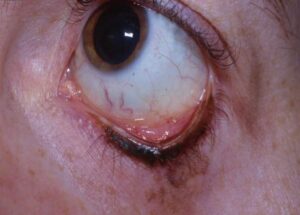
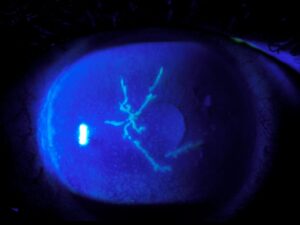
Benzalkonium chloride harms the surface in long-term use, and many glaucoma patients develop dry eye. Preservative-free forms exist for several classes, so switch if the surface is inflamed.
Why Patients Miss Doses
Forgetfulness, cost and side effects are common reasons, and complex schedules also lead to errors. Some patients fear the condition and avoid thinking about it, so ask without blame (see eye drop technique).
Improving Adherence
Link the drops to a daily habit, and use reminders and simple regimens. Teach technique and explain the risks of missed doses, and also involve family members.
Monitoring Response
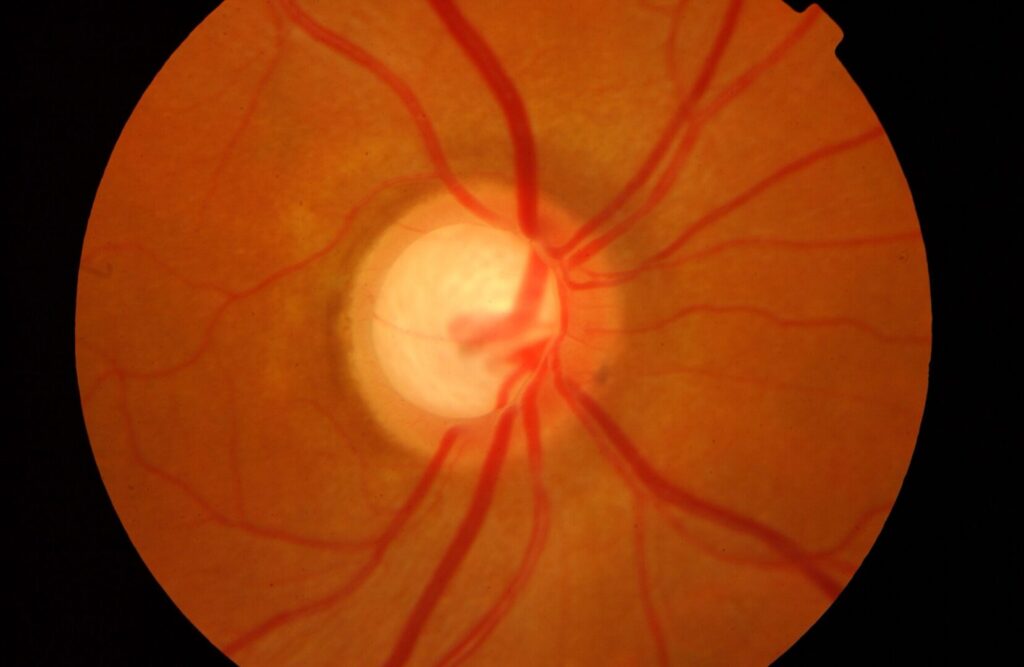
Measure pressure at set intervals and compare it with the target. Check the visual field and optic nerve regularly, so treatment changes follow evidence.
Switching and Stopping
Change drugs if the effect is poor or side effects are severe, but do not stop all drops suddenly without a plan. Consider laser trabeculoplasty as an alternative (see selective laser trabeculoplasty), and discuss options openly.
Pitfalls to Avoid
- Do not prescribe beta blockers without checking the heart and lungs
- Never ignore ocular surface toxicity
- Avoid assuming the patient uses the drops correctly
- Do not forget to review the target pressure
Glaucoma Eye Drops in Older Adults
Older adults often take many drugs, so review the full list because drug interactions matter. If hands shake, a squeeze aid helps, so individualize the regimen.
Glaucoma Eye Drops in Pregnancy
Most glaucoma drugs are used with caution in pregnancy, so when treatment is needed, discuss risks with the obstetrician. Because some classes are safer, choose them first, and then consider laser as an alternative.
Glaucoma Eye Drops and Cost
Generic drops are available for most classes, so if cost limits adherence, switch to a generic. Because prices vary, ask about local pharmacies, and discuss cost openly.
Glaucoma Eye Drops and Sequence
Wait five minutes between different bottles, because if you instill two drops together, the first is washed out. Because gels and suspensions go last, give instructions and then write the order for the patient.
Glaucoma Eye Drops and Adverse Effects
Eyelash growth, redness and stinging are common, but these effects seldom threaten vision. Because they affect adherence, discuss them early, and offer alternatives when side effects bother the patient.
Glaucoma Eye Drops and Laser Options
Laser trabeculoplasty can reduce the need for drops, and when adherence is poor, laser is attractive. Because effect can fade, plan follow-up, and present laser as a real option.
Glaucoma Eye Drops: Practical Summary
Start with a once-daily prostaglandin analogue, and if the target is not met, add a second agent. Because side effects matter, review them at each visit, and finally check technique and adherence.
Glaucoma Eye Drops and Follow-Up Visits
Review pressure about four to six weeks after any change, and if the response is poor, check adherence and technique. Because side effects drive stopping, ask about them directly, and then adjust the plan together with the patient.


Document what you see
Two smartphone imaging tools built for everyday clinic use — one for the slit lamp, one for the fundus.
From Choroida — the team behind this siteReferences
- Gedde SJ, Vinod K, Wright MM, et al. Primary open-angle glaucoma preferred practice pattern. Ophthalmology. 2021;128:P71-P150.
- Weinreb RN, Aung T, Medeiros FA. The pathophysiology and treatment of glaucoma: a review. JAMA. 2014;311:1901-1911.
- Newman-Casey PA, Robin AL, Blachley T, et al. The most common barriers to glaucoma medication adherence: a cross-sectional survey. Ophthalmology. 2015;122:1308-1316.
- Lichter PR, Musch DC, Gillespie BW, et al. Interim clinical outcomes in the Collaborative Initial Glaucoma Treatment Study. Ophthalmology. 2001;108:1943-1953.
Test yourself
A few questions straight from this article.
-
Which class of glaucoma eye drops is the first choice for open-angle glaucoma?
Latanoprost, bimatoprost and travoprost are first choice, and their once-daily dosing helps adherence. -
By what mechanism do prostaglandin analogue glaucoma drops lower intraocular pressure?
Prostaglandin analogues lower pressure by increasing uveoscleral outflow, unlike timolol and the carbonic anhydrase inhibitors, which reduce aqueous production. -
Which cosmetic side effect should patients be warned about before starting prostaglandin analogue drops?
Prostaglandin analogues can darken the iris and lashes, and eyelash growth is among the common adverse effects. -
What must be checked before prescribing timolol drops for glaucoma?
Timolol is effective but can cause bradycardia and bronchospasm, so heart and lung disease are screened before use. -
In which patient group should brimonidine glaucoma drops be avoided?
Brimonidine should be avoided in infants; it also often causes allergy and dry mouth. -
How does netarsudil, a rho kinase inhibitor, lower intraocular pressure?
Netarsudil improves outflow through the trabecular meshwork and is a useful add-on, though it can cause conjunctival redness and small hemorrhages. -
A glaucoma patient on long-term drops develops an inflamed ocular surface. What change helps?
Benzalkonium chloride harms the surface in long-term use; preservative-free forms exist for several classes, so switch when the surface is inflamed. -
How long should a patient wait between instilling two different glaucoma eye drops?
Wait five minutes between different bottles, because a second drop instilled at once washes out the first. -
When should intraocular pressure be reviewed after any change in glaucoma eye drops?
Pressure is reviewed about four to six weeks after any change; if the response is poor, adherence and technique are checked. -
From which factors is the target intraocular pressure set in glaucoma treated with drops?
A target is set from baseline pressure, disease stage and age, and is revisited at each visit, so treatment is individual.

Writes and reviews the clinical articles on Educate. Every post is checked against peer-reviewed sources before it goes live.