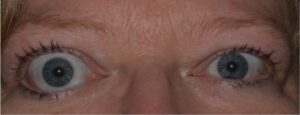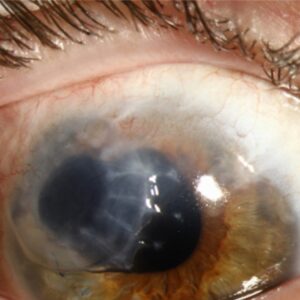
Toxoplasma retinochoroiditis treatment is a decision as much as a prescription, because many small peripheral lesions in healthy patients heal without drugs.
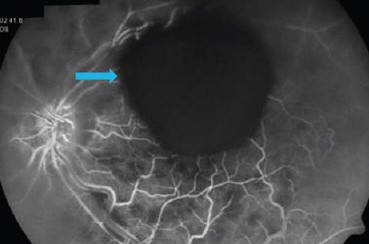
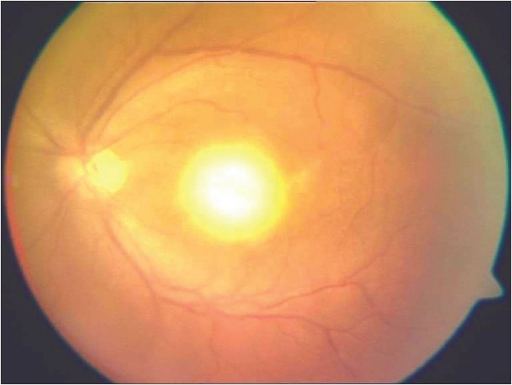
Also, doctors aim treatment at lesions that threaten vision, at disease in immunocompromised patients, and at frequent recurrence.
Also, the evidence base is limited, and several regimens are used in practice.
Toxoplasma Retinochoroiditis Treatment: Natural History
Ocular toxoplasmosis presents as a focal necrotizing retinitis next to an old pigmented scar, with overlying vitritis, the so-called headlight in the fog (see ocular toxoplasmosis).
In immunocompetent patients, the lesion usually resolves in a few weeks, leaving a pigmented scar.
Recurrences are also common and tend to occur at the border of the old scar.
The goal of treatment is also to limit tissue damage in areas where the loss of retina would harm vision, and to shorten the course.
Toxoplasma Retinochoroiditis Treatment: Who Should Be Treated?
- Lesions in or near the macula, the papillomacular bundle, or the optic disc
- Large lesions, often those larger than about two disc diameters
- Severe vitritis with reduced vision
- Patients who are immunocompromised, such as those with HIV infection
- Pregnant women, and congenital infection, with specialist input
- Persistent or progressive lesions, and atypical presentations
Doctors can observe a small, peripheral lesion in a healthy adult with good vision, with follow-up to confirm that it is resolving.
Fundus Explorer Pro
Photograph the retinal findings described here with the phone already in your pocket — 22 D optics and built-in illumination in one handheld unit.
From Choroida — the team behind this siteAntimicrobial Regimens
- Classic triple therapy: pyrimethamine with sulfadiazine, with folinic acid to reduce bone marrow toxicity, and oral prednisolone
- Trimethoprim-sulfamethoxazole: an oral regimen that is widely used, with fewer side effects and simpler logistics, and similar results in comparative studies
- Clindamycin: orally or by intravitreal injection, often combined with dexamethasone
- Azithromycin, atovaquone, and other agents: used in some regimens or in sulfa allergy
- Intravitreal clindamycin and dexamethasone: a local treatment that avoids systemic side effects in selected cases
The course lasts four to six weeks, and doctors adjust treatment according to the response.
Clinicians treat pregnant women with spiramycin or other regimens under obstetric supervision.
Toxoplasma Retinochoroiditis Treatment: Corticosteroids
Steroids reduce inflammation and may limit scarring, but never give them alone, because they can allow the parasite to multiply.
Start oral prednisolone after one or two days of antimicrobial therapy, and taper over weeks.
Avoid periocular steroid injections in active disease, and take particular care in immunocompromised patients.
Prophylaxis Against Recurrence
Recurrent lesions near the macula or the disc can cause progressive vision loss.
A randomized trial of trimethoprim-sulfamethoxazole every other day or three times a week showed a significant reduction in recurrence over the period of treatment compared with placebo.
Clinicians consider prophylaxis for patients with frequent recurrences, recurrences near vital structures, or immune suppression.
The benefit disappears after stopping, and the optimal duration is unknown.
Toxoplasma Retinochoroiditis Treatment: What the Evidence Says
A Cochrane review concluded that the evidence for antibiotic treatment in the acute phase was uncertain, with some benefit in reducing lesion size and the chance of recurrence.
Holland discussed ocular toxoplasmosis from a global perspective, and noted the variety of the disease and the limited controlled data.
Because of this, doctors often individualize treatment.
Monitoring and Complications
Review at one to two weeks after starting treatment, then at intervals until the lesion has scarred.
Look for complications such as choroidal neovascularization, retinal detachment, macular edema, and raised pressure.
Monitor for drug side effects, such as blood counts with pyrimethamine and sulfa allergy and rash.
Explain to patients that the scar remains, and that recurrence is possible, so that they report a new blur or floaters at once.
Special Situations
Immunocompromised patients may have multifocal or bilateral disease, with extensive necrosis and little vitritis.
They need longer treatment, often with maintenance therapy until immune recovery.
Doctors also treat neonates with congenital infection with a regimen directed by pediatric infectious disease specialists.
The retina needs regular review.
Pregnant women with active ocular lesions need collaboration between ophthalmology and obstetrics, since some drugs are unsafe in pregnancy.
Atypical cases that do not respond to treatment should prompt a search for other causes, including viral retinitis and syphilis, with aqueous humor testing for PCR when available (see acute retinal necrosis).
Counselling
Tell the patient that the infection is usually caused by a parasite that many people carry, and that it is not contagious from person to person.
Explain that scars are permanent, that lesions may recur, and that regular eye examinations are needed.
Discuss food hygiene and cat-related precautions, since transmission occurs by undercooked meat and by contact with contaminated soil or cat feces.
For the latest studies, see the PubMed results for toxoplasma retinochoroiditis treatment.
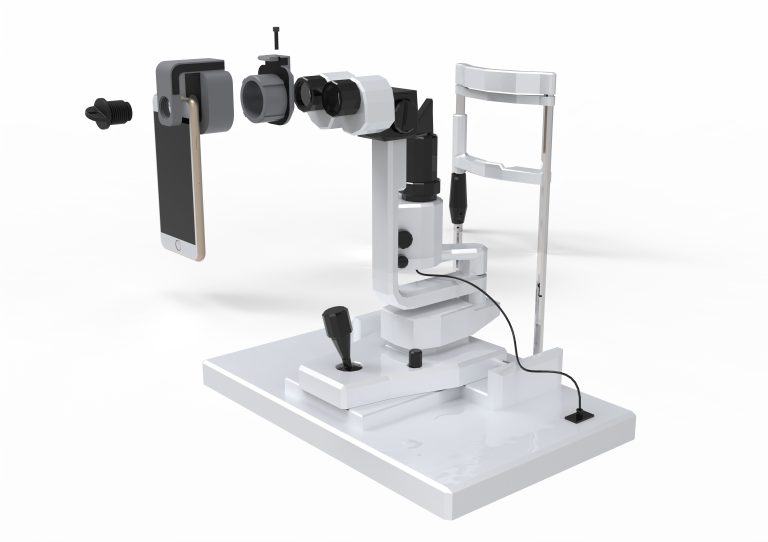

Document what you see
Two smartphone imaging tools built for everyday clinic use — one for the slit lamp, one for the fundus.
From Choroida — the team behind this siteReferences
- Holland GN. Ocular toxoplasmosis: a global reassessment. Part II: disease manifestations and management. Am J Ophthalmol. 2004;137:1-17.
- Pradhan E, Bhandari S, Gilbert RE, Stanford M. Antibiotics versus no treatment for toxoplasma retinochoroiditis. Cochrane Database Syst Rev. 2016;5:CD002218.
- Felix JP, Lira RP, Zacchia RS, et al. Trimethoprim-sulfamethoxazole versus placebo to reduce the risk of recurrences of Toxoplasma gondii retinochoroiditis: randomized controlled clinical trial. Am J Ophthalmol. 2014;157:762-766.
- American Academy of Ophthalmology. Basic and Clinical Science Course, Section 9: Uveitis and Ocular Inflammation. AAO; current edition.

Writes and reviews the clinical articles on Educate. Every post is checked against peer-reviewed sources before it goes live.