Tubulointerstitial nephritis and uveitis (TINU) syndrome combines acute tubulointerstitial nephritis with bilateral anterior uveitis, usually in adolescents and young women.
The kidney disease often comes first and can be mild enough to pass unnoticed, so the uveitis is sometimes what brings the diagnosis to light.
Ophthalmologists who recognize the pattern can save the patient a delayed nephrology referral.
What Is TINU Syndrome?
TINU was first described in 1975, and it remains an uncommon but probably underdiagnosed cause of uveitis in young patients.
The nephritis is usually acute and interstitial, with normal glomeruli on biopsy.
Systemic symptoms are often nonspecific: fatigue, weight loss, fever, and flank or abdominal pain.
Some patients have no renal symptoms at all, and the kidney involvement is found only on urinalysis or blood testing done because of the eye disease.
Ocular Features
Uveitis develops before, during, or after the nephritis, and the interval between the two can be several months in either direction.
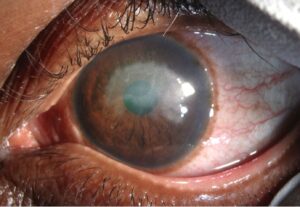
- Bilateral anterior uveitis in most cases, though it can start unilaterally
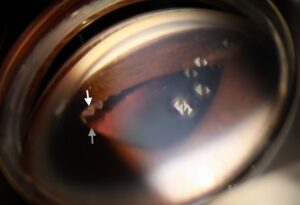
- Nongranulomatous inflammation with small keratic precipitates
- Anterior chamber cells and flare, sometimes with a hypopyon in severe cases
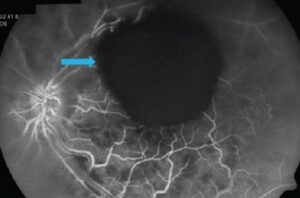
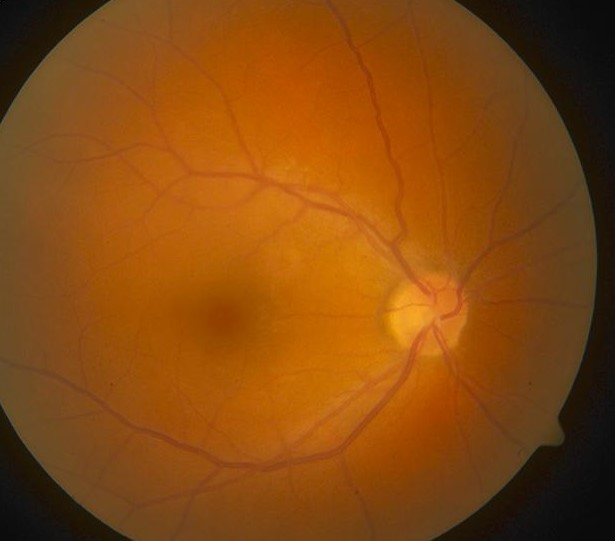
- Posterior involvement is uncommon but has been reported, including vitritis and disc edema
- Recurrence is frequent, and some patients have a chronic relapsing course
The uveitis usually responds to topical corticosteroids, but recurrent or bilateral disease may need periocular or systemic treatment.
Renal Features
Acute tubulointerstitial nephritis presents with reduced kidney function, sterile pyuria, and tubular proteinuria.
Elevated urinary beta-2 microglobulin is a sensitive marker of tubular injury and is useful when biopsy is not performed.
Renal function usually recovers, though a minority of patients are left with chronic kidney disease.
Diagnostic Criteria
The diagnosis rests on the combination of biopsy-proven or strongly suspected acute interstitial nephritis with anterior uveitis, once other causes of both are excluded.
Suggested criteria include abnormal renal function or urinalysis, elevated urinary beta-2 microglobulin, and uveitis with a compatible time course.
Renal biopsy confirms the diagnosis but is not always necessary when the clinical picture and urine findings are typical.
Differential Diagnosis
Other causes of uveitis with systemic disease should be considered before settling on TINU.
- Sarcoidosis, which can affect both the kidney and the eye
- Systemic lupus erythematosus and other autoimmune disease
- Drug-induced interstitial nephritis with a separate cause for the uveitis
- Infectious causes of uveitis, particularly in an endemic area
- Juvenile idiopathic arthritis-associated uveitis in children (see JIA uveitis)
A careful drug history matters, since several medications cause interstitial nephritis on their own, including NSAIDs and some antibiotics.
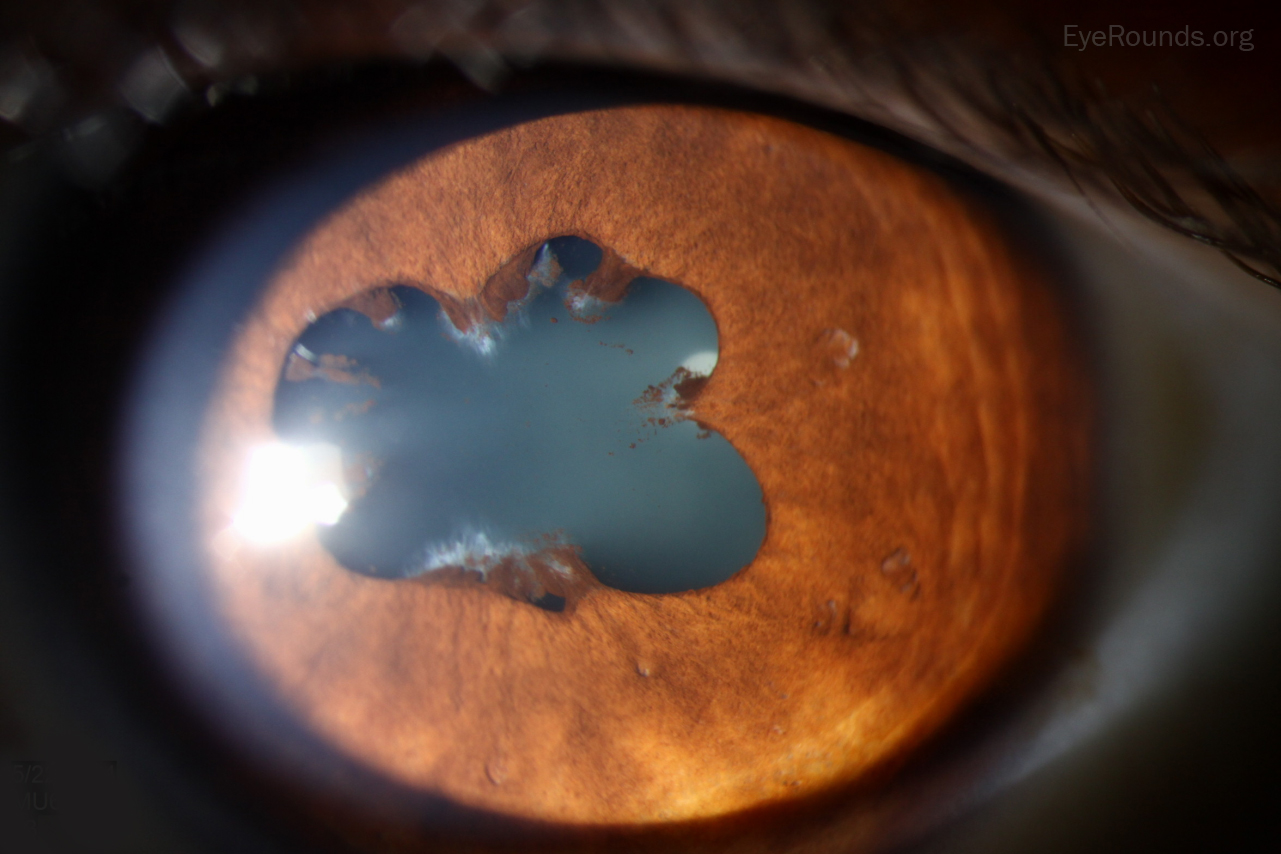
Management
Renal Disease
Corticosteroids are used for significant renal impairment, and most patients recover kidney function within months.
Nephrology follow-up continues even after recovery, since a minority develop chronic kidney disease.
Uveitis
Topical corticosteroids and cycloplegics control most cases.
Recurrent or bilateral disease may need periocular steroid injection, and chronic relapsing cases sometimes require steroid-sparing immunosuppression such as methotrexate.
Regular follow-up is needed because relapses can occur years after the initial episode.
Prognosis
Renal function usually normalizes, and the uveitis is generally responsive to treatment, though it can recur over years.
Long-term outcome is favorable for both organs in most patients, and the main risk is under-recognition, which delays care for the kidney disease.


Document what you see
Two smartphone imaging tools built for everyday clinic use — one for the slit lamp, one for the fundus.
From Choroida — the team behind this siteReferences
- Dobrin RS, Vernier RL, Fish AJ. Acute eosinophilic interstitial nephritis and uveitis with bone marrow-lymph node granulomas. Am J Med. 1975;59:325-333.
- Mandeville JT, Levinson RD, Holland GN. The tubulointerstitial nephritis and uveitis syndrome. Surv Ophthalmol. 2001;46:195-208.
- Regusci A, Lava SAG, Milani GP, Bianchetti MG, Simonetti GD, Vidal I. Tubulointerstitial nephritis and uveitis syndrome: a systematic review. Nephrol Dial Transplant. 2022;37:876-886.
- Levinson RD. Tubulointerstitial nephritis and uveitis syndrome. Int Ophthalmol Clin. 2008;48:51-59.
Test yourself
A few questions straight from this article.
-
TINU syndrome pairs acute tubulointerstitial nephritis with which ocular manifestation?
TINU syndrome combines acute tubulointerstitial nephritis with bilateral anterior uveitis, usually in adolescents and young women. -
Renal biopsy in TINU syndrome characteristically shows which histological pattern?
The nephritis of TINU syndrome is usually acute and interstitial, and the glomeruli appear normal on biopsy. -
In TINU syndrome, what is the usual temporal relationship between the uveitis and the nephritis?
Uveitis can develop before, during or after the nephritis, and the interval between the two may be several months in either direction. -
The anterior uveitis of TINU syndrome is typically described as which type?
The inflammation is nongranulomatous with small keratic precipitates, anterior chamber cells and flare, and occasionally a hypopyon in severe cases. -
Which urine test is a sensitive marker of tubular injury in suspected TINU syndrome when biopsy is avoided?
Elevated urinary beta-2 microglobulin is a sensitive marker of tubular injury and is particularly useful when a renal biopsy is not performed. -
Which urinary findings accompany the acute tubulointerstitial nephritis of TINU syndrome?
Acute tubulointerstitial nephritis presents with reduced kidney function, sterile pyuria and tubular proteinuria. -
Which systemic disease most importantly mimics TINU syndrome by involving both the kidney and the eye?
Sarcoidosis can affect both the kidney and the eye, so it must be considered and excluded before settling on a diagnosis of TINU syndrome. -
A careful drug history matters in suspected TINU syndrome because which drugs cause interstitial nephritis themselves?
Several medications, including NSAIDs and some antibiotics, produce interstitial nephritis on their own, which would point to drug-induced disease rather than TINU. -
Which treatment controls most cases of the uveitis in TINU syndrome?
Most episodes settle on topical corticosteroids and cycloplegics; recurrent or bilateral disease may need periocular injection, and chronic relapsing cases sometimes need methotrexate. -
Given the generally favourable outcome of TINU syndrome, what is the main risk to the patient?
Renal function usually normalizes and the uveitis responds to treatment, so the chief hazard is failing to recognise the syndrome and thereby delaying nephrology care.

Writes and reviews the clinical articles on Educate. Every post is checked against peer-reviewed sources before it goes live.