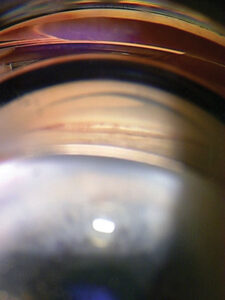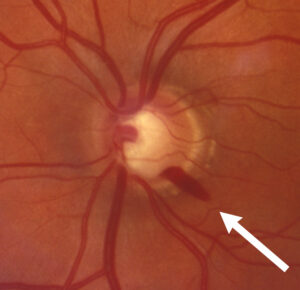
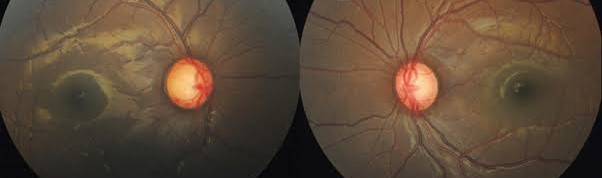
Steroid-induced glaucoma is intraocular pressure elevation caused by corticosteroid use, occurring through any route, topical, periocular, intravitreal, or systemic, and capable of causing genuine, permanent optic nerve damage if it goes unrecognized.
Because corticosteroids are prescribed so widely, for ocular inflammation, after intraocular surgery, and for a long list of systemic conditions, steroid-induced glaucoma is a hazard that essentially every ophthalmologist and many other prescribers need to keep in mind by default.
The fact that it is entirely iatrogenic and frequently reversible if caught early, but not always if caught late, is what makes surveillance so worthwhile.
Roughly a third to a half of the general population shows at least a modest pressure rise with sustained potent topical steroid exposure, and a smaller subset shows a much more pronounced response, which is why every patient on steroids deserves individualized monitoring rather than a one-size-fits-all assumption.
Mechanism
Corticosteroids increase resistance to aqueous outflow through the trabecular meshwork, thought to involve accumulation of extracellular matrix material and altered trabecular meshwork cell function under sustained steroid exposure.
This mechanism is distinct from the mechanisms behind most other secondary glaucomas, and pressure elevation typically develops gradually over weeks of steroid exposure rather than appearing immediately after the first dose.
Susceptibility varies considerably between individuals: a subset of the population, termed steroid responders, develop significant pressure elevation with even modest steroid exposure, while others tolerate sustained, higher-dose steroid treatment with minimal pressure change.
Risk Factors for Being a Steroid Responder
- A personal or family history of primary open-angle glaucoma, one of the strongest known predictors of a significant steroid response
- High myopia, also associated with increased susceptibility to steroid-induced pressure elevation
- Younger age, particularly in children, who tend to mount a more pronounced and sometimes more rapid steroid response than adults
- Diabetes mellitus, associated with somewhat increased steroid responsiveness in some studies
- Prior documented steroid response, the single most reliable individual predictor of a repeat response with future steroid exposure
All-fit Slit-Lamp Adapter
Record and share exactly what you see at the slit lamp. One adapter fits any slit lamp or surgical microscope — and any smartphone.
From Choroida — the team behind this siteRoute Matters
Topical corticosteroid drops carry the most familiar and well-studied risk, with potency, dosing frequency, and duration of treatment all influencing how likely and how severe a pressure response will be.
Periocular and intravitreal steroid injections and implants can produce more pronounced, sometimes more prolonged pressure elevation than topical drops, in part because they deliver a sustained, higher local drug concentration directly to periocular and intraocular tissue.
Systemic corticosteroids, whether oral, inhaled, or intranasal, carry a real but generally lower risk of clinically significant intraocular pressure elevation compared to direct ocular exposure, though the risk is not zero and should not be forgotten in a patient on long-term systemic steroid therapy.
Clinical Presentation and Evaluation
Steroid-induced glaucoma is typically asymptomatic in its early stages, exactly like primary open-angle glaucoma, which is why routine pressure monitoring during any significant steroid course matters rather than waiting for symptoms to prompt a check.
Any patient started on a meaningful course of topical, periocular, or intravitreal steroid should have intraocular pressure checked at baseline and again within a few weeks, since most steroid responses become apparent within the first four to six weeks of treatment.
Gonioscopy is typically normal, since steroid-induced glaucoma is an open-angle process, which helps distinguish it from angle-closure mechanisms and confirms that the pressure elevation is specifically related to trabecular outflow resistance.
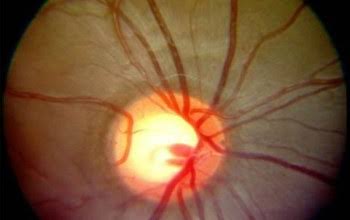
Optic nerve and visual field assessment should follow the same standard glaucoma workup used for any other cause of elevated pressure, since the nerve does not distinguish steroid-induced pressure elevation from any other source of damage.
Management
Discontinuing or tapering the causative steroid, when clinically feasible, is the most direct treatment, and pressure often normalizes over subsequent weeks once steroid exposure stops, particularly if the steroid course was relatively brief.
When steroid therapy cannot be discontinued because the underlying inflammatory condition still requires treatment, switching to a lower-potency steroid, a steroid with a more favorable pressure profile, or a non-steroidal anti-inflammatory alternative can reduce the pressure burden while still controlling inflammation.
Standard topical glaucoma medications are used to control pressure directly when steroid therapy must continue, following the same treatment principles used for primary open-angle glaucoma.
Pressure elevation from long-acting intravitreal steroid implants can be more difficult to manage medically given the sustained drug depot, and some cases ultimately require incisional glaucoma surgery if pressure remains uncontrolled despite maximal medical therapy.
Once a patient is identified as a documented steroid responder, that fact belongs clearly in their chart, since it should influence how cautiously any future steroid course, ocular or otherwise, is monitored going forward.
Document what you see
Two smartphone imaging tools built for everyday clinic use — one for the slit lamp, one for the fundus.
From Choroida — the team behind this siteReferences
- Armaly MF. Statistical attributes of the steroid hypertensive response in the clinically normal eye. Investigative Ophthalmology.
- American Academy of Ophthalmology. Basic and Clinical Science Course, Section 10: Glaucoma.
- Kersey JP, Broadway DC. Corticosteroid-induced glaucoma: a review of the literature. Eye.
Test yourself
A few questions straight from this article.
-
How do corticosteroids raise intraocular pressure in steroid-induced glaucoma?
Sustained steroid exposure raises trabecular outflow resistance, thought to involve extracellular matrix accumulation and altered trabecular meshwork cell function. -
Roughly what share of the general population shows at least a modest pressure rise on sustained potent topical steroid?
Roughly a third to a half show at least a modest rise, with a smaller subset showing a much more pronounced response, which is why monitoring must be individualised. -
Within what period do most steroid pressure responses become apparent?
Most responses appear within the first four to six weeks, so pressure should be checked at baseline and again within a few weeks of starting a meaningful steroid course. -
What is the single most reliable individual predictor that a patient will mount a steroid pressure response?
Prior documented response is the most reliable individual predictor of a repeat response, which is why it belongs clearly in the patient's chart. -
Which patients tend to mount a more pronounced and sometimes more rapid steroid pressure response?
Younger age, particularly childhood, is a risk factor for a more pronounced and sometimes more rapid response, alongside high myopia and a glaucoma family history. -
Why can periocular and intravitreal steroids raise pressure more than drops?
Injections and implants supply a sustained, higher local concentration directly to periocular and intraocular tissue, so the rise can be more pronounced and more prolonged. -
What is the pressure risk from systemic corticosteroids, including inhaled and intranasal routes?
Systemic routes carry a real but generally lower risk of clinically significant pressure elevation; the risk is not zero and matters in long-term systemic therapy. -
What does gonioscopy typically show in steroid-induced glaucoma?
Gonioscopy is typically normal because this is an open-angle process driven by trabecular outflow resistance, which helps separate it from angle-closure mechanisms. -
What happens to intraocular pressure after the causative steroid is stopped?
Pressure often normalises over the following weeks once steroid exposure stops, particularly after a relatively brief course, though late damage is not always reversible. -
The inflammatory condition still needs treatment in a steroid responder. What reduces the pressure burden?
Switching to a lower-potency steroid, one with a better pressure profile, or a non-steroidal anti-inflammatory can control inflammation with less pressure burden, with standard glaucoma drops added as needed.

Writes and reviews the clinical articles on Educate. Every post is checked against peer-reviewed sources before it goes live.