Recurrent uveitis describes repeated episodes of intraocular inflammation separated by quiet periods off treatment.
Most cases involve the anterior segment, and patients often call it “iritis coming back.” Each flare also carries a risk of synechiae, raised pressure, cataract and macular edema, so after the second attack, the focus shifts toward cause and prevention.
What Counts as Recurrent Uveitis
The SUN Working Group defines recurrent uveitis as repeated episodes separated by at least three months of inactivity off treatment, while chronic uveitis relapses within three months of stopping therapy. Record each episode with its date, laterality and cell grade.
Why Iritis Keeps Coming Back
Recurrence usually reflects an underlying driver that the first course of drops never addressed, and common culprits include immune predisposition, latent virus, a rushed taper or a missed diagnosis. However, many patients remain idiopathic after a reasonable workup.
All-fit Slit-Lamp Adapter
Record and share exactly what you see at the slit lamp. One adapter fits any slit lamp or surgical microscope — and any smartphone.
From Choroida — the team behind this siteHLA-B27 and Recurrent Uveitis
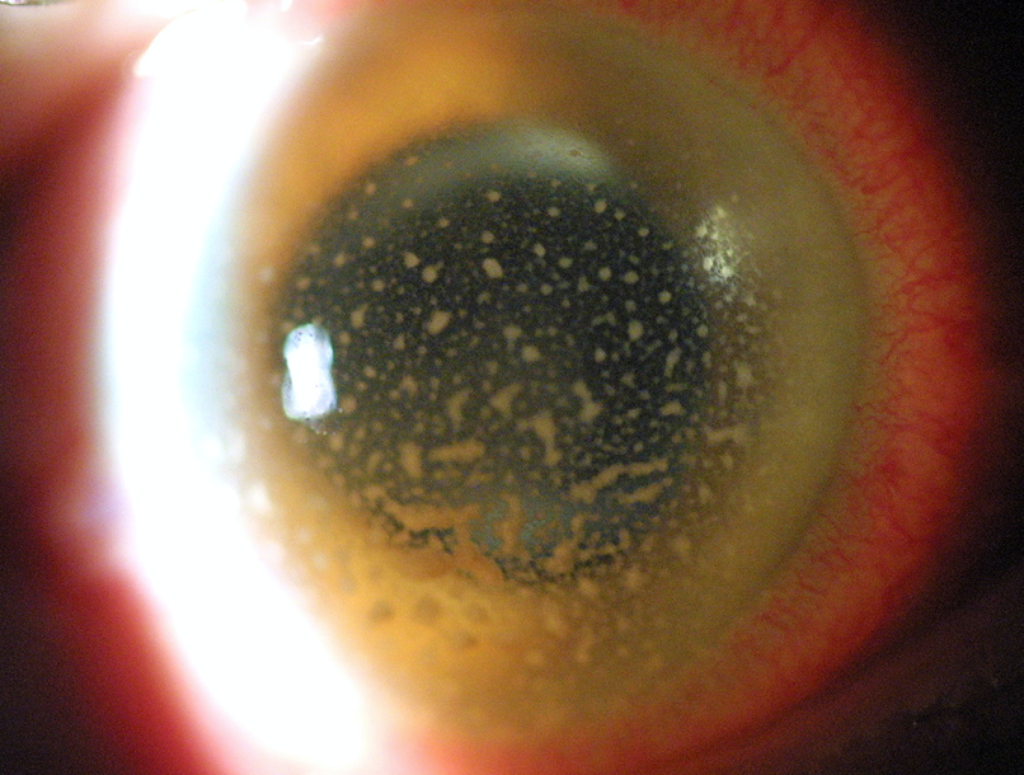
HLA-B27 disease classically causes acute unilateral flares that alternate between eyes, and fibrin and occasionally hypopyon may appear because the reaction is intense. In addition, ask about inflammatory back pain, psoriasis, bowel symptoms and urethritis (see HLA-B27 systemic workup).
Herpetic Causes of Recurrent Uveitis
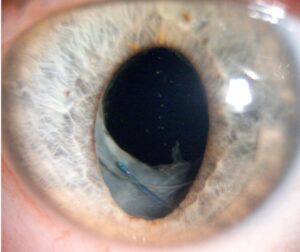
Herpes simplex, varicella zoster and cytomegalovirus cause recurrent anterior uveitis, usually in the same eye. Clues include high pressure during the flare, sectoral iris atrophy and reduced corneal sensation, and because steroids alone may prolong viral activity, these patients usually need an antiviral as well.
When Recurrence Is a Masquerade
Inflammation that keeps returning despite good adherence deserves suspicion. For example, chronic postoperative infection can mimic steroid-responsive iritis (see chronic postoperative endophthalmitis), and lymphoma, retained lens material and intraocular foreign bodies can also imitate uveitis.
In addition, clinicians often mislabel Fuchs heterochromic iridocyclitis as recurrent iritis.
When to Investigate Recurrent Uveitis
A typical first episode of unilateral nongranulomatous iritis often needs only a careful history. However, recurrence lowers the threshold for testing.
Investigate further when attacks are granulomatous, bilateral, posterior or atypical for age, and also when inflammation responds poorly to standard therapy.
A Targeted Workup
Tailor tests to the history and examination, and avoid untargeted panels. Most specialists include syphilis serology because syphilis is treatable and mimics many patterns.
Common additions include:
- HLA-B27 typing for acute unilateral nongranulomatous attacks
- Chest imaging, ACE and lysozyme when sarcoidosis is possible
- Interferon-gamma release assay before immunosuppression or when tuberculosis is plausible
- Aqueous PCR for suspected viral uveitis with atypical features
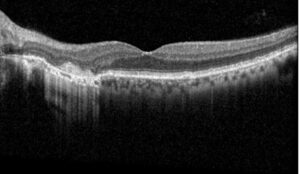
- Macular OCT to detect cystoid edema
Treating Each Flare Early
Prompt, intensive topical steroid shortens each attack, and cycloplegia also relieves pain and helps prevent posterior synechiae. Then taper slowly once the cells settle.
Stopping too fast causes rebound inflammation that looks like a new recurrence.
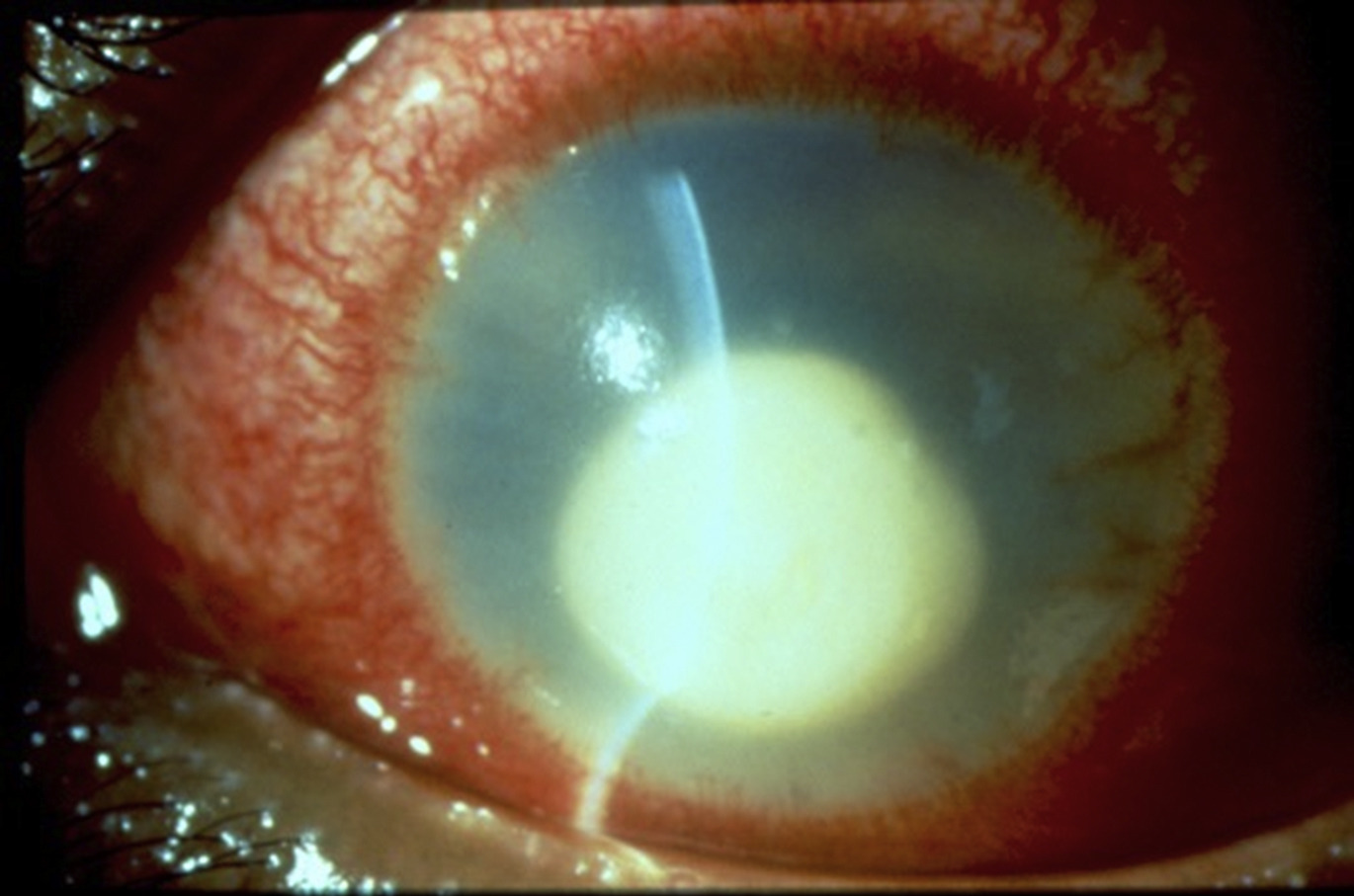
Low-Dose Maintenance in Recurrent Uveitis
Some patients flare whenever drops stop completely. For them, a low-dose maintenance steroid, such as one drop daily or on alternate days, may hold remission, although this approach rests largely on clinical experience.
Even low doses can raise intraocular pressure and accelerate cataract. Therefore, check pressure at every visit and reassess the need regularly.
Systemic Prevention Options
In spondyloarthritis, sulfasalazine reduced anterior uveitis flares in small studies. For herpetic uveitis, long-term oral antiviral prophylaxis is common practice, although uveitis trial data are limited.
Next, coordinate with the rheumatologist when joint disease is active.
When to Step Up to Immunosuppression
Consider systemic therapy when flares are frequent, severe or bilateral, and steroid dependence also qualifies, especially when tapering below a low dose fails. Methotrexate, mycophenolate and azathioprine are common steroid-sparing choices (see steroid-sparing immunosuppression).
First, exclude infection, especially tuberculosis and syphilis.
Biologics for Recurrent Uveitis
TNF inhibitors reduce anterior uveitis recurrences in spondyloarthritis. For example, adalimumab lowered flare rates in an ankylosing spondylitis cohort.
Monoclonal antibodies appear more effective than etanercept for uveitis. However, these drugs carry infection risks, so shared care with rheumatology is standard.
Monitoring Recurrent Uveitis
At each visit, grade cells and flare, measure pressure and examine the lens. Then dilate to check for macular edema, vitritis or vasculitis, and count attacks per year, because that number guides maintenance and escalation.
Counseling the Patient
Explain that recurrence is common and does not mean treatment failed. Ask patients to report pain, photophobia or redness the same day, and finally, stress that drops must never stop abruptly.
Pitfalls to Avoid
- Repeating steroid courses without asking why flares return
- Missing herpetic uveitis in a unilateral eye with high pressure
- Treating Fuchs heterochromic iridocyclitis with chronic steroids
- Starting immunosuppression before excluding tuberculosis and syphilis
- Ignoring pressure and lens changes during long-term maintenance


Document what you see
Two smartphone imaging tools built for everyday clinic use — one for the slit lamp, one for the fundus.
From Choroida — the team behind this siteReferences
- Jabs DA, Nussenblatt RB, Rosenbaum JT; SUN Working Group. Standardization of uveitis nomenclature for reporting clinical data. Results of the First International Workshop. Am J Ophthalmol. 2005;140:509-516.
- Dick AD, Rosenbaum JT, Al-Dhibi HA, et al. Guidance on noncorticosteroid systemic immunomodulatory therapy in noninfectious uveitis: Fundamentals Of Care for UveitiS (FOCUS) initiative. Ophthalmology. 2018;125:757-773.
- Benitez-del-Castillo JM, Garcia-Sanchez J, Iradier T, Bañares A. Sulfasalazine in the prevention of anterior uveitis associated with ankylosing spondylitis. Eye (Lond). 2000;14:340-343.
- van Denderen JC, Visman IM, Nurmohamed MT, et al. Adalimumab significantly reduces the recurrence rate of anterior uveitis in patients with ankylosing spondylitis. J Rheumatol. 2014;41:1843-1848.
- American Academy of Ophthalmology. Basic and Clinical Science Course, Section 9: Uveitis and Ocular Inflammation. San Francisco: AAO; 2024.
Test yourself
A few questions straight from this article.
-
By SUN Working Group criteria, what separates episodes of recurrent uveitis?
Recurrent uveitis has episodes separated by at least three months of inactivity off treatment; chronic uveitis relapses within three months of stopping. -
Which clues suggest a herpetic cause of recurrent anterior uveitis?
Herpetic uveitis recurs in the same eye with high pressure during flares, sectoral iris atrophy and reduced corneal sensation, and usually needs an antiviral. -
Which condition is often mislabelled as recurrent iritis and should not get chronic steroids?
Clinicians often mislabel Fuchs heterochromic iridocyclitis as recurrent iritis, and treating it with chronic steroids is a listed pitfall. -
In recurrent uveitis, which attack features should trigger further investigation?
A typical first unilateral nongranulomatous iritis needs only history, but granulomatous, bilateral, posterior or atypical attacks, or poor response, merit investigation. -
Why do most specialists include syphilis serology in a recurrent uveitis workup?
Tests should be targeted, but syphilis serology is usually included because syphilis is treatable and mimics many uveitis patterns. -
In anterior uveitis, what is the effect of tapering topical steroid too quickly?
Intensive early steroid shortens a flare, then a slow taper follows; stopping too fast causes rebound inflammation that looks like a new recurrence. -
Which regimen may hold remission in recurrent uveitis that flares whenever drops stop?
A low-dose maintenance steroid may hold remission, but even low doses can raise pressure and accelerate cataract, so pressure is checked every visit. -
Which systemic drug reduced anterior uveitis flares in spondyloarthritis in small studies?
In spondyloarthritis, sulfasalazine reduced anterior uveitis flares in small studies, coordinated with the rheumatologist. -
Before starting systemic immunosuppression for recurrent uveitis, which infections must be excluded?
Systemic therapy suits frequent, severe, bilateral or steroid-dependent flares, but tuberculosis and syphilis must be excluded first. -
In monitoring recurrent uveitis, what figure guides decisions on maintenance and escalation?
At each visit cells, flare, pressure and lens are checked, and the number of attacks per year guides maintenance therapy and escalation.

Writes and reviews the clinical articles on Educate. Every post is checked against peer-reviewed sources before it goes live.