LiGHT trial (Laser in Glaucoma and ocular HyperTension) tested whether selective laser trabeculoplasty (SLT) should come before drops.
It enrolled treatment-naive patients with open-angle glaucoma or ocular hypertension. As a result, UK guidance now offers SLT as a first-line option for many patients.
Why the LiGHT Trial Was Needed
Topical drops were the default first treatment for primary open-angle glaucoma. However, drops depend on daily adherence, and many patients miss doses.
They also cause redness, surface toxicity and lifelong cost, so a modern pragmatic trial of first-line laser was overdue.
How SLT Works
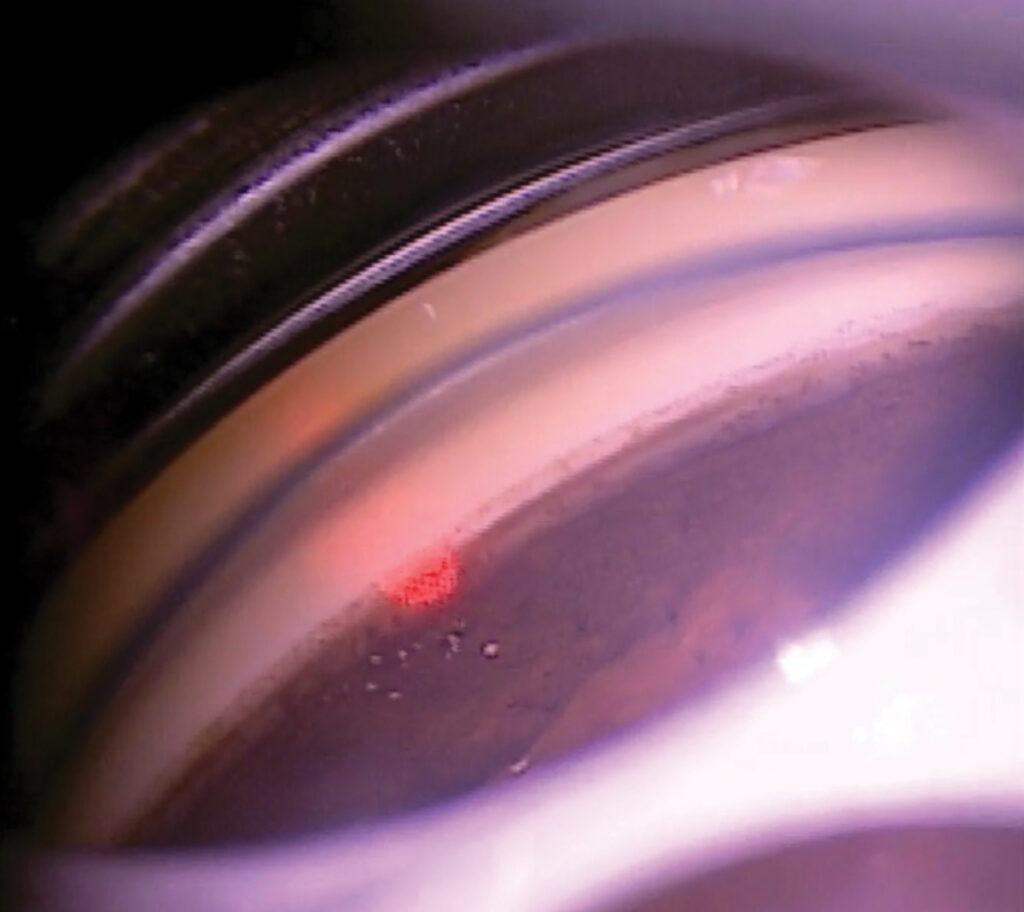
SLT uses a frequency-doubled, Q-switched Nd:YAG laser at 532 nm. Short pulses target pigmented trabecular meshwork cells and spare nearby tissue, so the meshwork shows little coagulative scarring. The pressure fall probably reflects a biological response that improves outflow, although the exact mechanism is unclear.
All-fit Slit-Lamp Adapter
Record and share exactly what you see at the slit lamp. One adapter fits any slit lamp or surgical microscope — and any smartphone.
From Choroida — the team behind this siteDesign of the LiGHT Trial
Investigators randomized 718 patients at six UK centers, and all had newly diagnosed, untreated open-angle glaucoma or ocular hypertension.
Patients received either 360-degree SLT first or medication first, and then both arms followed the same escalation protocol toward a severity-based target pressure.
Primary Outcome in the LiGHT Trial
The primary outcome was health-related quality of life at three years, measured with the EQ-5D. Secondary outcomes included cost, pressure control, safety and glaucoma-specific quality of life, and the design allowed a formal cost-effectiveness analysis.
Three-Year Results
Quality of life scores did not differ significantly between arms. However, 74.2% of SLT patients needed no drops at three years.
Target pressure was met at a similar proportion of visits in both arms, and no SLT patient needed trabeculectomy for pressure control, while some medication-first patients did.
Cost in the LiGHT Trial
SLT first cost less over three years within the UK health service, with savings coming mainly from fewer prescriptions and specialist visits. Therefore, SLT showed a high probability of cost-effectiveness at UK thresholds, although costs differ between health systems.
Six-Year Extension of the LiGHT Trial
Follow-up continued to six years, and about 70% of SLT eyes remained drop-free at that point. In addition, fewer SLT eyes showed progression or needed incisional glaucoma or cataract surgery, but many of these eyes had received repeat laser.
Repeat SLT
A secondary analysis studied eyes that needed a second SLT session. Repeat treatment appeared at least as effective as the first, with a durable effect in many eyes, and therefore a fading response does not close the laser option.
Safety Findings in the LiGHT Trial
SLT was well tolerated, and pressure spikes after laser were uncommon and rarely needed treatment. Mild inflammation and ache usually settled within days, while the medication arm reported typical drop side effects such as redness and irritation.
Who Was Not Studied
LiGHT included open angles only, with no previous glaucoma treatment, while angle closure and most secondary glaucomas were not eligible, and advanced field loss was excluded. As a result, the findings apply mainly to early and moderate open-angle disease.
Limits of the LiGHT Trial
Patients knew their allocation, so masking was incomplete, and the EQ-5D is a generic tool and may miss subtle glaucoma effects. The UK cohort and health system limit generalizability to other ethnic groups and payment models.
LiGHT Trial in Context
Earlier studies proved that lowering pressure slows progression (see EMGT results). The Glaucoma Laser Trial then suggested argon laser was a reasonable first step, and LiGHT confirmed this concept with SLT and patient-centered endpoints.
Choosing Candidates for First-Line SLT
- Newly diagnosed open-angle glaucoma or ocular hypertension
- Open angle with visible pigmented meshwork on gonioscopy
- Poor adherence, drop allergy or ocular surface disease
- Arthritis or tremor that limits drop instillation
- Personal preference to avoid daily drops
Counseling Patients After the LiGHT Trial
Explain that SLT is a short outpatient laser done at the slit lamp. Next, say that most patients in the LiGHT SLT arm stayed drop-free through three and six years of follow-up.
However, the effect can fade, and some patients need repeat laser or drops. Finally, stress that SLT controls pressure but cannot restore lost vision.
When Drops Remain Reasonable
Drops suit patients who decline laser or lack access to it. Some eyes respond poorly to SLT, so medication becomes the next step (see glaucoma eye drops), and shared decision-making should guide the final choice.
Pitfalls to Avoid
- Do not offer SLT without gonioscopy confirming an open angle
- Avoid promising a permanent drop-free life
- Never stop field and OCT monitoring after a good response
- Remember that LiGHT studied treatment-naive eyes only
- Check pressure after laser in heavily pigmented angles, for example in pigmentary glaucoma
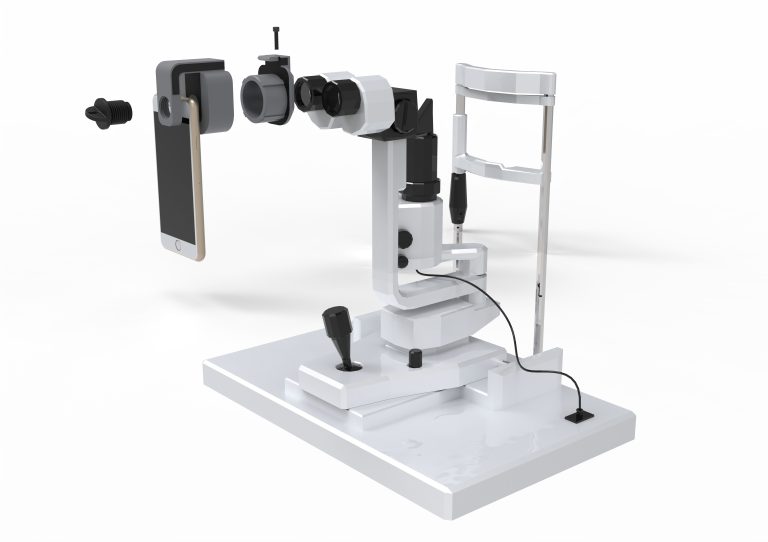
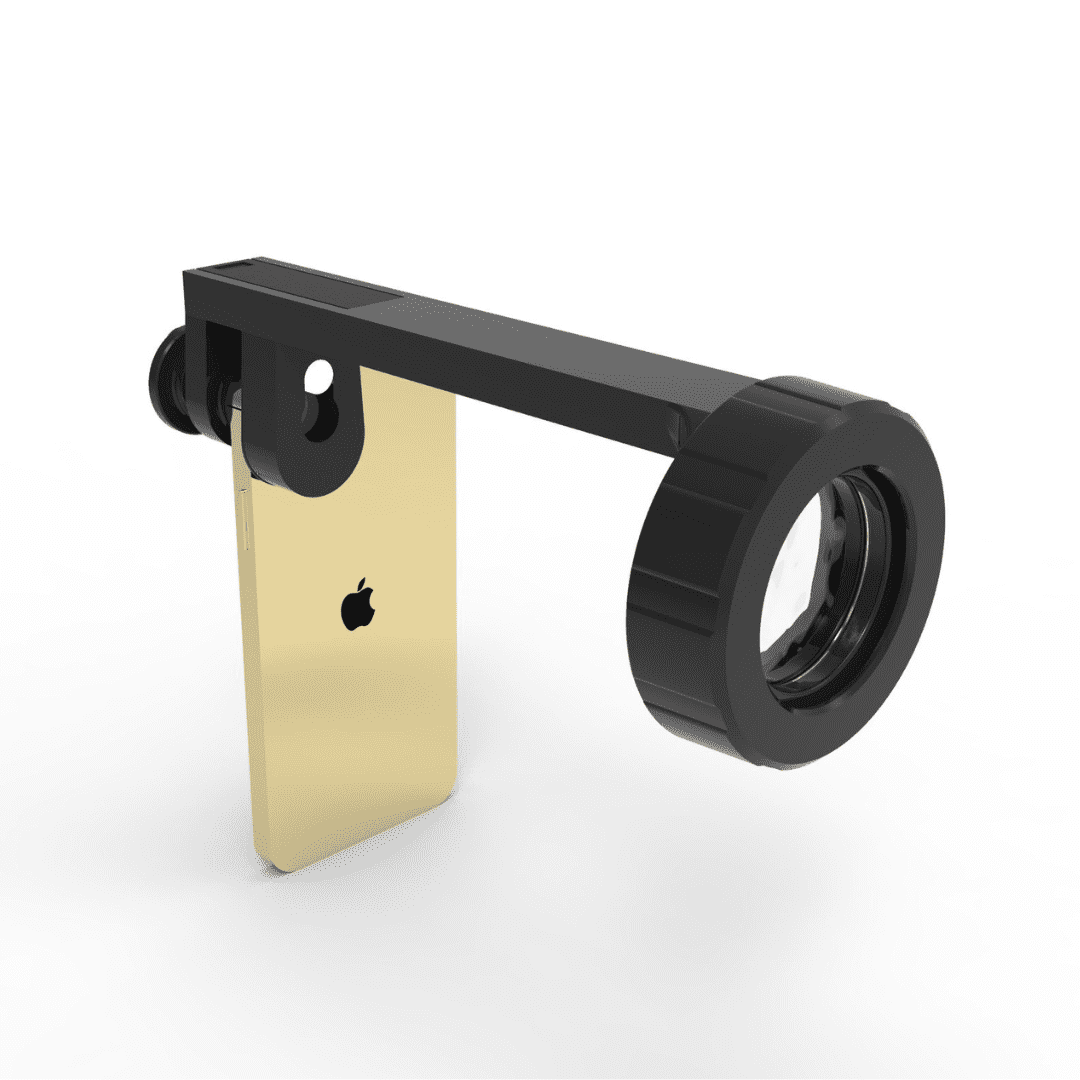
Document what you see
Two smartphone imaging tools built for everyday clinic use — one for the slit lamp, one for the fundus.
From Choroida — the team behind this siteReferences
- Gazzard G, Konstantakopoulou E, Garway-Heath D, et al. Selective laser trabeculoplasty versus eye drops for first-line treatment of ocular hypertension and glaucoma (LiGHT): a multicentre randomised controlled trial. Lancet. 2019;393:1505-1516.
- Gazzard G, Konstantakopoulou E, Garway-Heath D, et al. Laser in Glaucoma and Ocular Hypertension (LiGHT) trial: six-year results of primary selective laser trabeculoplasty versus eye drops. Ophthalmology. 2023;130:139-151.
- Garg A, Vickerstaff V, Nathwani N, et al. Efficacy of repeat selective laser trabeculoplasty in medication-naive open-angle glaucoma and ocular hypertension during the LiGHT trial. Ophthalmology. 2020;127:467-476.
- Latina MA, Park C. Selective targeting of trabecular meshwork cells: in vitro studies of pulsed and CW laser interactions. Exp Eye Res. 1995;60:359-371.
- Glaucoma Laser Trial Research Group. The Glaucoma Laser Trial (GLT). 2. Results of argon laser trabeculoplasty versus topical medicines. Ophthalmology. 1990;97:1403-1413.
Test yourself
A few questions straight from this article.
-
Which first-line strategies did the LiGHT trial compare in open-angle glaucoma and ocular hypertension?
LiGHT randomized treatment-naive patients to 360-degree SLT first or medication first, testing whether SLT should come before drops. -
Which laser is used for selective laser trabeculoplasty (SLT)?
SLT uses short 532 nm pulses that target pigmented trabecular meshwork cells while sparing nearby tissue, so little coagulative scarring results. -
What was the primary outcome of the LiGHT trial of selective laser trabeculoplasty versus drops?
LiGHT used EQ-5D quality of life at three years as its primary outcome, with cost, pressure control and safety as secondary outcomes. -
In the LiGHT trial, what proportion of selective laser trabeculoplasty patients needed no drops at three years?
Although quality of life did not differ between arms, 74.2% of SLT-first patients were drop-free at three years. -
How did trabeculectomy for pressure control differ between LiGHT trial arms at three years?
No SLT-first patient required trabeculectomy for pressure control, whereas some medication-first patients did, while target pressure was met at similar rates. -
Where did the cost savings of SLT-first treatment in the LiGHT trial mainly come from?
SLT first cost less over three years in the UK health service, mainly through fewer prescriptions and specialist visits, though costs differ between health systems. -
About what share of selective laser trabeculoplasty eyes remained drop-free at the six-year LiGHT extension?
At six years about 70% of SLT eyes were still drop-free, and fewer showed progression or needed incisional surgery, though many had received repeat laser. -
In the LiGHT trial, how did repeat selective laser trabeculoplasty perform compared with the first session?
A secondary analysis found repeat SLT at least as effective as the first treatment, so a fading response does not close the laser option. -
To which patients do the LiGHT trial findings on first-line selective laser trabeculoplasty mainly apply?
LiGHT enrolled open angles with no previous treatment and excluded angle closure, most secondary glaucomas and advanced field loss. -
Which examination must confirm suitability before offering first-line selective laser trabeculoplasty?
SLT should not be offered without gonioscopy confirming an open angle, ideally with visible pigmented trabecular meshwork.

Writes and reviews the clinical articles on Educate. Every post is checked against peer-reviewed sources before it goes live.