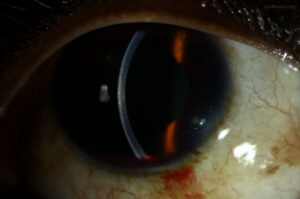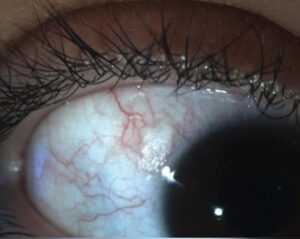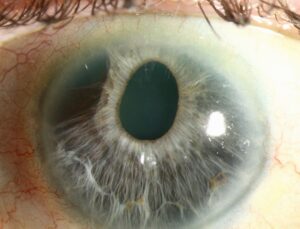
Acyclovir prophylaxis reduces the recurrence of herpes simplex eye disease.
Recurrences scar the cornea and cost vision.
Selecting the right patient is the main clinical task.
Why Herpetic Eye Disease Recurs
The virus lies dormant in the trigeminal ganglion.
Stress, illness, sunlight and surgery can reactivate it.
Each attack can scar the cornea.
Therefore, prevention matters (see herpes simplex keratitis).
What the HEDS Trial Showed
The Herpetic Eye Disease Study tested oral acyclovir 400 mg twice daily.
Patients on acyclovir had fewer recurrences over a year.
The benefit was strongest in stromal keratitis.
So the trial supports long-term prophylaxis in selected patients.
All-fit Slit-Lamp Adapter
Record and share exactly what you see at the slit lamp. One adapter fits any slit lamp or surgical microscope — and any smartphone.
From Choroida — the team behind this siteWho Should Receive Acyclovir Prophylaxis
Consider it after two or more attacks.
Patients with stromal disease or uveitis benefit most.
Those with a single healed epithelial lesion may not need it.
Also weigh the visual status of the fellow eye.
Acyclovir Prophylaxis Dosing
The common regimen is 400 mg twice daily.
Valacyclovir 500 mg once daily is an alternative in many centers.
Doses need adjustment in kidney disease.
Therefore, check renal function first.
How Long to Continue
Many clinicians continue for at least one year.
Some extend therapy for several years in recurrent disease.
Recurrences often return after stopping.
So review the benefit at each visit.
Acyclovir Prophylaxis and Keratoplasty
Patients with herpetic scars who need a graft have a high recurrence risk.
Prophylaxis lowers graft failure.
Start before surgery and continue afterward.
Therefore, coordinate with the corneal surgeon.
Acyclovir Prophylaxis During Steroid Use
Topical steroids can reactivate the virus.
Cover patients with antiviral therapy during steroid taper.
Do not stop prophylaxis before the taper ends.
So link the two plans.
Safety of Acyclovir Prophylaxis
The drug is usually well tolerated.
Nausea, headache and rare kidney injury may occur.
Hydration protects the kidneys.
Also review other medications for interactions.
Monitoring on Acyclovir
Check kidney function before and during long therapy.
Ask about drug adherence.
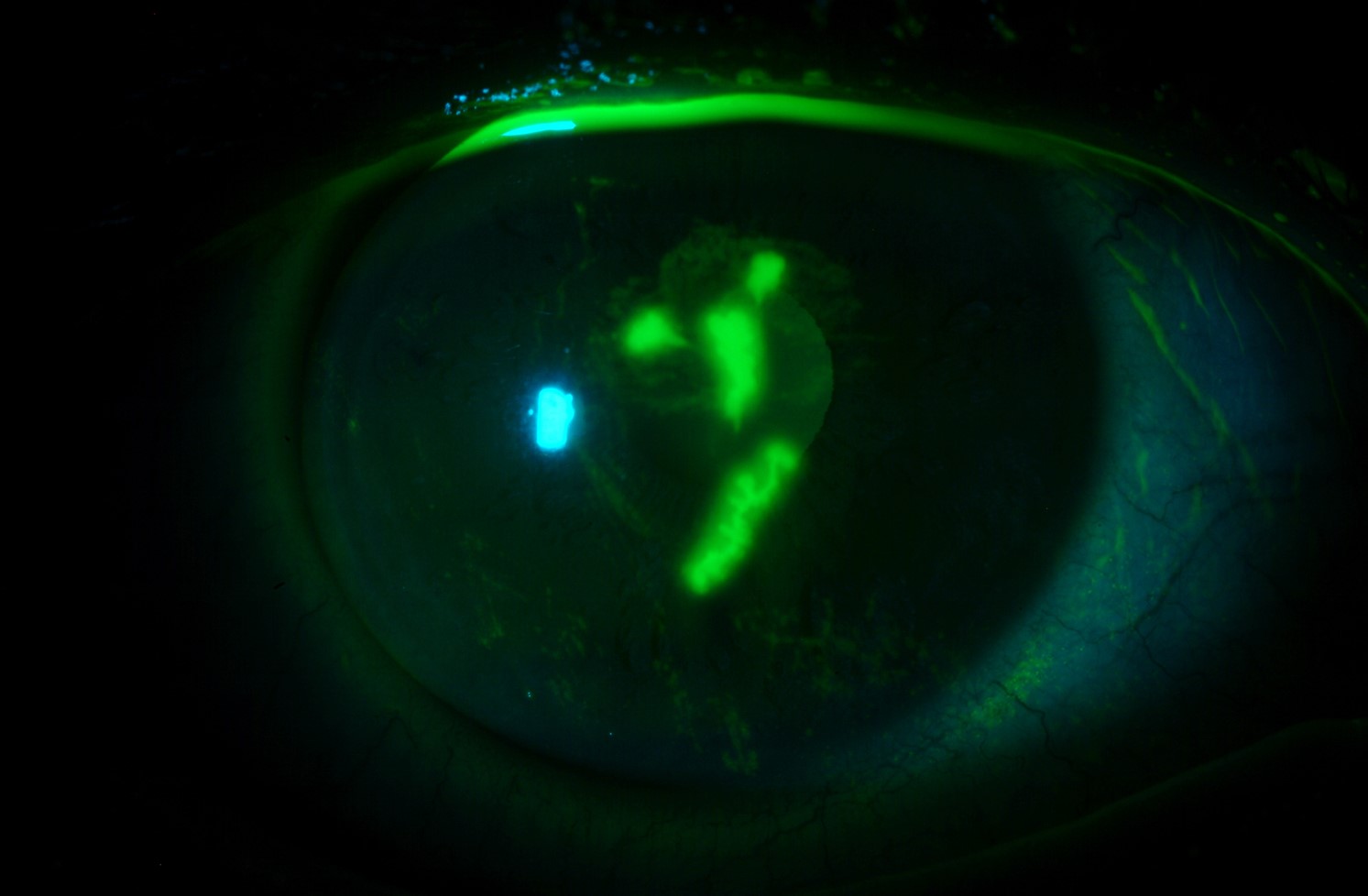
Review the cornea for new lesions.
Therefore, schedule regular visits.
Acyclovir Prophylaxis in Children
Doses are weight-based and need specialist input.
Children with herpetic disease risk amblyopia.
Protect vision with early treatment.
Also involve pediatric colleagues.
Counseling Patients
Explain that the drug lowers but does not abolish recurrences.
Advise early review for any red or painful eye.
Discuss triggers like sunlight and stress.
Also remind patients to avoid steroid drops without supervision.
Resistance and Failure
Resistance is rare in immunocompetent patients.
Recurrences on therapy suggest poor adherence.
Consider an alternative drug in treatment failure.
Therefore, review the history carefully.
Pitfalls to Avoid
- Do not start prophylaxis after a single mild attack without review
- Never stop treatment suddenly in high-risk patients
- Avoid ignoring kidney function
- Do not prescribe topical steroids without antiviral cover
Acyclovir Prophylaxis and Uveitis
Herpetic anterior uveitis recurs and can raise pressure.
When attacks are frequent, long-term antiviral therapy helps.
Because each attack risks scarring, start prophylaxis early.
Then monitor kidney function and the eye.
Acyclovir Prophylaxis and Pregnancy
Discuss the plan with the obstetric team.
Because acyclovir has a long safety record, it is often continued.
However, individual decisions depend on risk and benefit.
Therefore, review the plan at each trimester.
Acyclovir Prophylaxis Versus Valacyclovir
Valacyclovir has better oral bioavailability.
If adherence is an issue, once-daily dosing helps.
However, cost differs between regions.
So choose the drug that the patient will actually take.
Acyclovir Prophylaxis After Stopping
Recurrence risk rises once the drug is stopped.
If the patient has had many attacks, consider a longer course.
Because the trial lasted one year, long-term data are limited.
Therefore, individualize the decision.
Acyclovir Prophylaxis and Stress Triggers
Fever, sunlight and menses are common triggers.
Patients who identify their trigger can plan ahead.
If a trigger cannot be avoided, short-term cover is an option.
Also encourage sun protection.
Acyclovir Prophylaxis: Practical Summary
When a patient has had two or more attacks, offer prophylaxis.
Because adherence is vital, give written instructions.
If kidney function is normal, the drug is safe in most adults.
Finally, review every three to six months.
Acyclovir Prophylaxis: When to Stop
Review the need after a year without attacks.
If the eye stays quiet, a trial off treatment is reasonable.
Because recurrence can happen, give an action plan.
Then restart the drug at the first sign of relapse.
For the latest studies, see the PubMed results for acyclovir prophylaxis.


Document what you see
Two smartphone imaging tools built for everyday clinic use — one for the slit lamp, one for the fundus.
From Choroida — the team behind this siteReferences
- Herpetic Eye Disease Study Group. Acyclovir for the prevention of recurrent herpes simplex virus eye disease. N Engl J Med. 1998;339:300-306.
- Wilhelmus KR. Antiviral treatment and other therapeutic interventions for herpes simplex virus epithelial keratitis. Cochrane Database Syst Rev. 2015;1:CD002898.
- White ML, Chodosh J. Herpes Simplex Virus Keratitis: A Treatment Guideline. American Academy of Ophthalmology; 2014.
- Barron BA, Gee L, Hauck WW, et al. Herpetic Eye Disease Study: a controlled trial of oral acyclovir for herpes simplex stromal keratitis. Ophthalmology. 1994;101:1871-1882.
Test yourself
A few questions straight from this article.
-
Where does herpes simplex virus lie dormant between attacks of herpetic eye disease?
The virus stays latent in the trigeminal ganglion, and stress, illness, sunlight or surgery can reactivate it, with each attack able to scar the cornea. -
Which oral acyclovir regimen did the Herpetic Eye Disease Study test for prophylaxis?
HEDS used oral acyclovir 400 mg twice daily, which remains the common prophylactic regimen, and patients on it had fewer recurrences over a year. -
In the Herpetic Eye Disease Study, acyclovir prophylaxis showed its strongest benefit in which form of disease?
The benefit was strongest in stromal keratitis, supporting long-term prophylaxis in selected patients. -
After how many attacks of herpetic eye disease should acyclovir prophylaxis be considered?
Prophylaxis is considered after two or more attacks, especially with stromal disease or uveitis; a single healed epithelial lesion may not need it. -
Which valacyclovir regimen is used as an alternative for herpetic eye disease prophylaxis?
Valacyclovir 500 mg once daily is an alternative in many centers; its better oral bioavailability and once-daily dosing help when adherence is an issue. -
Which test should be checked before and during long-term acyclovir prophylaxis?
Acyclovir doses need adjustment in kidney disease and rare kidney injury can occur, so renal function is checked before and during long therapy. -
How should acyclovir prophylaxis be timed for a patient with herpetic scars needing keratoplasty?
Grafted herpetic eyes have a high recurrence risk; prophylaxis lowers graft failure and is started before surgery and continued afterward. -
How should antiviral prophylaxis be handled in a herpetic patient receiving topical steroids?
Topical steroids can reactivate the virus, so patients are covered with antiviral therapy during the taper and prophylaxis is not stopped before it ends. -
In an immunocompetent patient, what do recurrences of herpetic eye disease on acyclovir prophylaxis most suggest?
Resistance is rare in immunocompetent patients, so recurrences on therapy suggest poor adherence; an alternative drug is considered in true treatment failure. -
For how long do many clinicians continue acyclovir prophylaxis for herpetic eye disease?
Many continue for at least one year and some extend for years in recurrent disease, because recurrences often return after stopping.

Writes and reviews the clinical articles on Educate. Every post is checked against peer-reviewed sources before it goes live.