Dry eye treatment works best when it follows a clear sequence.
Start with simple measures and escalate only if symptoms and signs persist, as the TFOS DEWS II report describes in its stepwise model.
Confirm the Diagnosis First
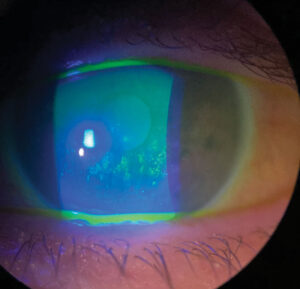
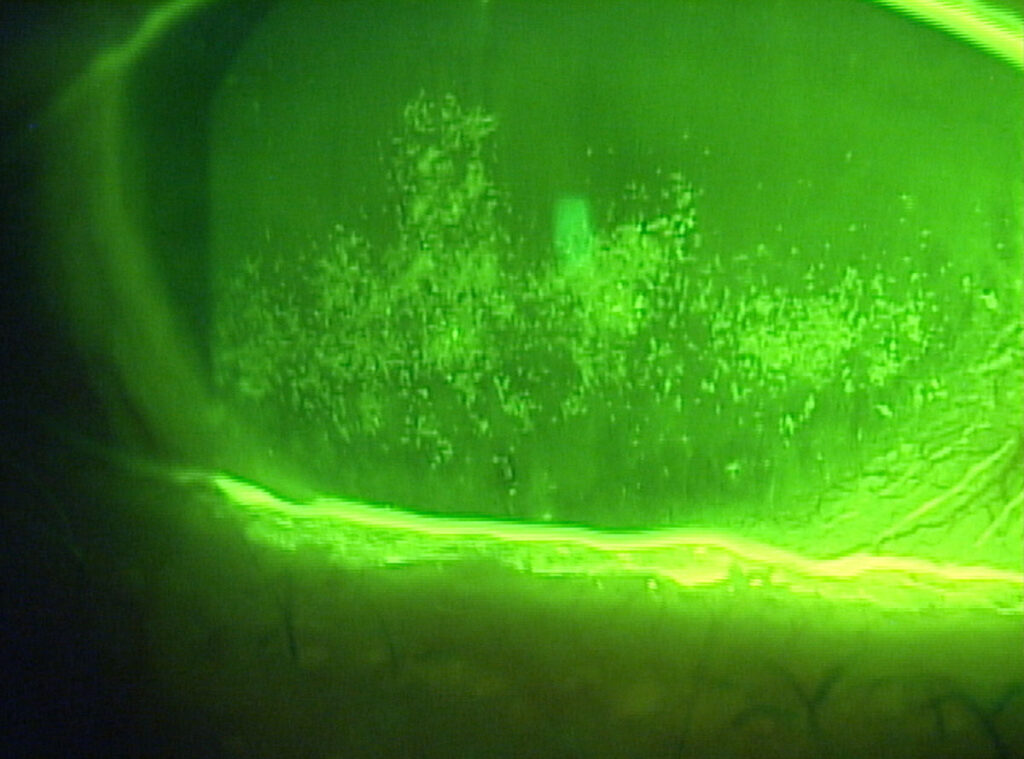
Symptoms alone do not prove dry eye, so check tear break-up time, corneal staining and the lid margins. Also exclude allergy, infection and neurotrophic disease, and therefore treat only after the diagnosis is clear (see dry eye disease).
Step One in Dry Eye Treatment
Counsel patients on screen breaks, humidity and avoiding direct airflow, and review their drugs, because antihistamines and some antidepressants dry the eye. The DREAM study found no clear benefit from omega-3 supplements, so do not promise results from supplements.
All-fit Slit-Lamp Adapter
Record and share exactly what you see at the slit lamp. One adapter fits any slit lamp or surgical microscope — and any smartphone.
From Choroida — the team behind this siteLubricants in Dry Eye Treatment
Preservative-free lubricants suit frequent use. Start with four drops a day and adjust to symptoms. Gels and ointments help at night. Reassess after four to six weeks.
Lid Care in Dry Eye Treatment
Warm compresses and gentle lid hygiene help meibomian gland dysfunction, but patients need to repeat them daily to keep the benefit. Also treat blepharitis when it is present (see blepharitis), and therefore always examine the lid margin.
Anti-Inflammatory Dry Eye Treatment
Topical cyclosporine and lifitegrast target inflammation on the ocular surface, but both take weeks to work, so warn patients early. Short courses of a low-potency steroid can bridge the gap. However, monitor pressure and the lens during steroid use.
Punctal Plugs
Plugs reduce tear drainage in aqueous deficiency, and they suit patients with clear tear loss and good lid health. However, they can cause tearing and infection, so reserve them for selected eyes.
Biologic Drops
Autologous serum supplies growth factors and vitamins found in natural tears, and it helps patients with severe disease or persistent staining. Supply is limited, and preparation needs a qualified pharmacy. See autologous serum eye drops.
Oral and Procedural Options
Low-dose oral doxycycline can help meibomian gland disease, and thermal pulsation and light-based treatments also have a role. However, trial results vary between devices, so choose them after lid care has failed.
Dry Eye Treatment in Severe Disease
Scleral lenses protect the cornea and keep a fluid reservoir in front of it, while amniotic membrane and tarsorrhaphy rescue refractory cases. In addition, search for systemic causes such as Sjogren syndrome, because early referral prevents scarring.
Follow-Up in Dry Eye Treatment
Review patients after four to eight weeks of any change, and compare symptoms, staining and tear break-up time. Then step up or step down according to the response, and keep the plan simple to protect adherence.
Setting Expectations
Dry eye is a chronic condition with good and bad weeks. Cure is rare, but control is realistic, so explain the goals at the first visit, because patients who understand this stay with the plan.
Pitfalls to Avoid
- Do not skip the lid examination
- Never prescribe a steroid without a follow-up date
- Do not use plugs in eyes with active inflammation
- Avoid changing several treatments at once
Matching Dry Eye Treatment to Subtype
Aqueous deficiency responds best to lubricants, plugs and anti-inflammatory drops, while evaporative disease responds to lid care and oil-based drops. Many patients have both, so combine the steps. Therefore, identify the subtype before choosing the plan.
Dry Eye Treatment After Cataract Surgery
Surgery can unmask or worsen dry eye, so treat the surface before measuring for the lens. Poor surface quality leads to unreliable biometry, so optimize the tear film in the weeks before surgery.
Dry Eye Treatment in Contact Lens Wearers
Lens wear reduces tear stability and adds friction, so switch to a lens with higher water content or a daily disposable. Also reduce wearing time, and in addition use drops labeled for lenses.
Dry Eye Treatment and Screen Use
Blink rate falls by half during screen work, so teach patients the twenty-twenty-twenty rule for breaks. Place the screen slightly below eye level, because this reduces the exposed surface area.
Dry Eye Treatment in Systemic Disease
Rheumatoid arthritis, thyroid disease and Sjogren syndrome all dry the eye, so ask about dry mouth and joint pain. Also review medication lists for drying agents, and therefore coordinate care with the physician.
Measuring Progress
Use a symptom score at each visit, and add tear break-up time and corneal staining. Photograph the stain if possible, because over time the trend guides the next step.
When to Refer
Refer patients with severe pain, corneal ulcers or thinning, and refer those with suspected Sjogren syndrome or ocular cicatricial disease. Also refer when standard care fails after three months, because early referral protects vision.


Document what you see
Two smartphone imaging tools built for everyday clinic use — one for the slit lamp, one for the fundus.
From Choroida — the team behind this siteReferences
- Jones L, Downie LE, Korb D, et al. TFOS DEWS II management and therapy report. Ocul Surf. 2017;15:575-628.
- Craig JP, Nichols KK, Akpek EK, et al. TFOS DEWS II definition and classification report. Ocul Surf. 2017;15:276-283.
- Asbell PA, Maguire MG, Pistilli M, et al. n-3 fatty acid supplementation for the treatment of dry eye disease. N Engl J Med. 2018;378:1681-1690.
- Akpek EK, Amescua G, Farid M, et al. Dry eye syndrome preferred practice pattern. Ophthalmology. 2019;126:286-334.
Test yourself
A few questions straight from this article.
-
Before starting dry eye treatment, which conditions should be excluded because symptoms alone do not prove dry eye?
Treatment should follow a clear diagnosis: check tear break-up time, corneal staining and the lid margins, and exclude allergy, infection and neurotrophic disease. -
What did the DREAM study find about omega-3 supplements in dry eye treatment?
The DREAM study found no clear benefit from omega-3 supplements, so clinicians should not promise results from them. -
What do topical cyclosporine and lifitegrast target in dry eye treatment?
Both drugs target ocular surface inflammation and take weeks to work, so patients should be warned early. -
During a short low-potency steroid course used as a bridge in dry eye treatment, what should be monitored?
A short low-potency steroid can bridge the delay before cyclosporine or lifitegrast act, but pressure and the lens must be monitored. -
Which dry eye patient is best suited to punctal plugs?
Plugs reduce tear drainage and suit clear tear loss with healthy lids; they can cause tearing and infection and should not be used with active inflammation. -
Why does autologous serum help patients with severe dry eye or persistent staining?
Autologous serum provides growth factors and vitamins found in natural tears, though supply is limited and preparation needs a qualified pharmacy. -
Which approach does evaporative dry eye respond to best?
Evaporative disease responds to lid care and oil-based drops, whereas aqueous deficiency responds to lubricants, plugs and anti-inflammatory drops. -
Why should dry eye be treated before measuring for the intraocular lens in cataract surgery?
Surgery can unmask or worsen dry eye, and poor surface quality leads to unreliable biometry, so the tear film is optimized in the weeks before surgery. -
By how much does the blink rate fall during screen work, contributing to dry eye?
Blink rate falls by half during screen work, so patients are taught regular breaks and to place the screen slightly below eye level. -
After how long should dry eye that fails standard care be referred?
Referral is advised when standard care fails after three months, and promptly for severe pain, corneal ulcers, thinning, suspected Sjogren syndrome or cicatricial disease.

Writes and reviews the clinical articles on Educate. Every post is checked against peer-reviewed sources before it goes live.