DCCT and EDIC are the landmark studies that proved tight glucose control prevents diabetic retinopathy in type 1 diabetes.
Also, the Diabetes Control and Complications Trial compared intensive and conventional treatment.
Its follow-up, the Epidemiology of Diabetes Interventions and Complications study, showed that early benefit lasts for decades.
They are the base of every conversation about blood sugar with a patient who has diabetic eye disease.
Why DCCT and EDIC Were Run
Before the trial, doctors debated whether lower blood sugar would prevent complications, or whether it only carried the risk of hypoglycemia.
In addition, the DCCT enrolled 1,441 patients with type 1 diabetes, aged 13 to 39, between 1983 and 1989, and followed them for an average of 6.5 years (see the references).
DCCT and EDIC: The Design
- Primary prevention cohort: patients with no retinopathy and diabetes for 1 to 5 years
- Secondary intervention cohort: patients with mild to moderate nonproliferative retinopathy and diabetes for 1 to 15 years
- Intensive therapy: three or more daily insulin injections or a pump, with frequent glucose monitoring, aiming for near-normal levels
- Conventional therapy: one or two injections a day
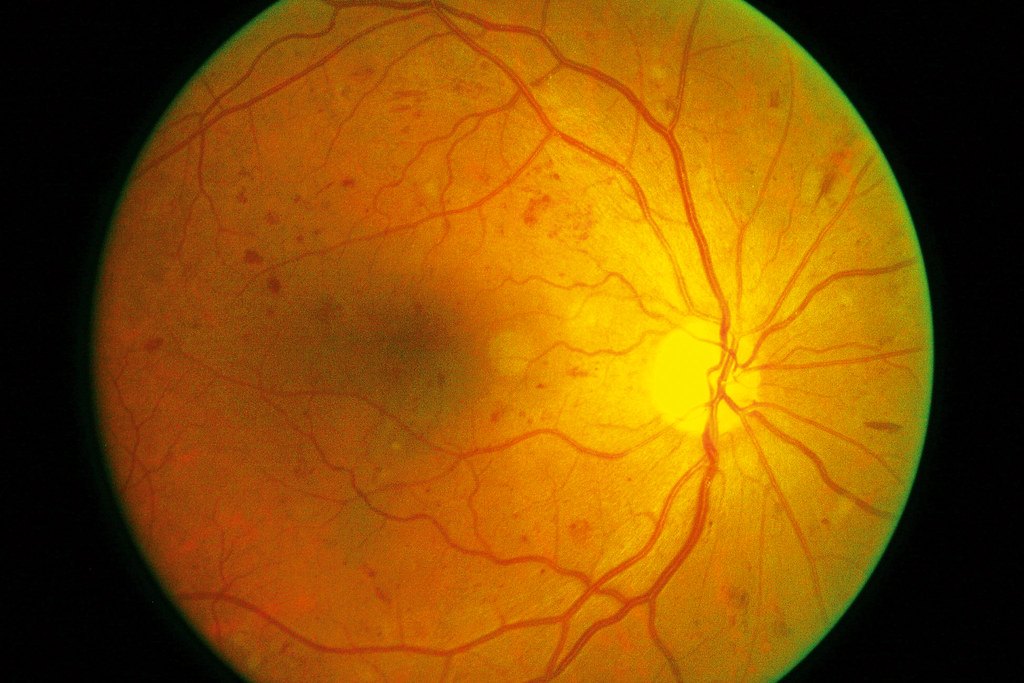
Retinopathy was graded on fundus photographs by a central reading center.
Fundus Explorer Pro
Photograph the retinal findings described here with the phone already in your pocket — 22 D optics and built-in illumination in one handheld unit.
From Choroida — the team behind this siteThe Main Results
- Intensive therapy reduced the risk of developing retinopathy by 76 percent in the primary prevention cohort
- It slowed the progression of retinopathy by 54 percent in the secondary intervention cohort
- It reduced the risk of severe nonproliferative or proliferative disease by 47 percent
- Nephropathy and neuropathy were also reduced
The HbA1c difference between the groups was about 7 percent versus 9 percent, and the benefit was proportional to the lowering (see diabetic retinopathy).
DCCT and EDIC: Early Worsening
Some patients in the intensive arm had a transient worsening of retinopathy in the first year, which later reversed and gave way to a lower long-term risk (see early worsening of diabetic retinopathy).
The finding led to advice to examine the eyes before rapid improvement of control, and to follow patients closely.
EDIC and Metabolic Memory
After the trial, both groups were offered intensive therapy, and HbA1c levels became similar.
Also, despite this, the earlier intensive group kept a lower rate of retinopathy progression for at least ten years, and later analyses showed fewer eye operations decades later (see the references).
This persistent effect is called metabolic memory, or legacy effect, and it argues for starting good control as early as possible.
DCCT and EDIC: Hypoglycemia
Intensive treatment tripled the rate of severe hypoglycemia.
Modern insulin, pumps, and continuous glucose monitors have reduced this risk, but it remains a limit for some patients.
What Changed in Practice
- Intensive control became the standard goal in type 1 diabetes, with HbA1c around 7 percent for most adults
- Eye screening became part of care from puberty or after a few years of disease
- Ophthalmologists learned to expect a temporary dip with rapid control, and to counsel accordingly
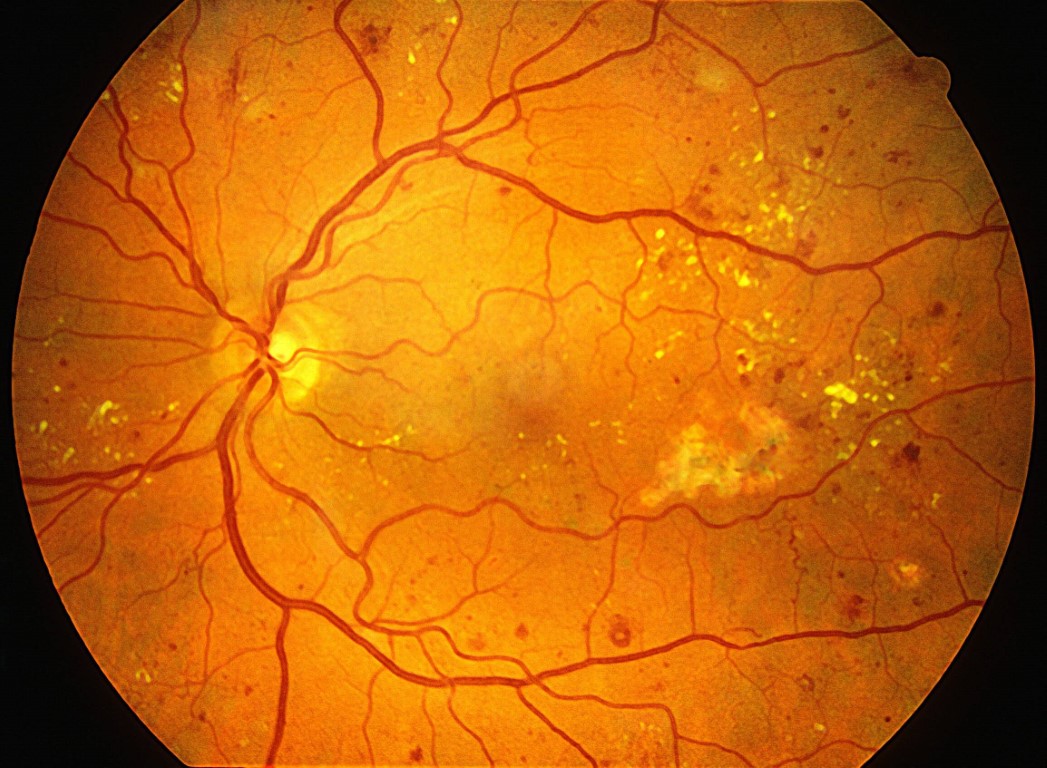
DCCT and EDIC: Limits
The trial studied type 1 diabetes in relatively young and healthy people.
For type 2 diabetes the evidence comes from other trials (see UKPDS and ACCORD Eye).
Counselling
Tell patients that every year of good control helps the eyes later.
Also, encourage them to attend regular retinal screening, and to work with the diabetes team on safe control.
Practical Targets for Patients
- An HbA1c near 7 percent is the usual goal for adults with type 1 diabetes who can reach it safely, with lower or higher goals set by the physician for each patient
- Time in range on continuous glucose monitors is a newer measure that correlates with retinopathy risk
- Avoid sudden large drops in HbA1c in patients who already have moderate or severe retinopathy, and examine the eyes before and during rapid improvement, since early worsening can occur (see diabetic retinopathy)
Screening Intervals
Most guidelines advise a first retinal examination about five years after diagnosis in type 1 diabetes, or from puberty, and yearly review after that.
Pregnancy, rapid improvement of control, and established retinopathy call for closer follow-up (see diabetic retinopathy in pregnancy).
What the Trial Cannot Tell Us
The participants were relatively young and healthy, and the trial did not test the newest insulin technology.
Data on older adults come from other studies, and the safe targets differ between patients.
Explaining Metabolic Memory
Patients often ask whether it is too late once control has been poor.
The answer is that earlier damage may leave a mark, but improving control at any stage still lowers the risk of further progression.
For the latest studies, see the PubMed results for DCCT and EDIC.


Document what you see
Two smartphone imaging tools built for everyday clinic use — one for the slit lamp, one for the fundus.
From Choroida — the team behind this siteReferences
- Diabetes Control and Complications Trial Research Group. The effect of intensive treatment of diabetes on the development and progression of long-term complications in insulin-dependent diabetes mellitus. N Engl J Med. 1993;329:977-986.
- Diabetes Control and Complications Trial/Epidemiology of Diabetes Interventions and Complications Research Group. Retinopathy and nephropathy in patients with type 1 diabetes four years after a trial of intensive therapy. N Engl J Med. 2000;342:381-389.
- Aiello LP; DCCT/EDIC Research Group. Intensive diabetes therapy and ocular surgery in type 1 diabetes. N Engl J Med. 2015;372:1722-1733.
- American Academy of Ophthalmology. Basic and Clinical Science Course, Section 12: Retina and Vitreous. AAO; current edition.

Writes and reviews the clinical articles on Educate. Every post is checked against peer-reviewed sources before it goes live.