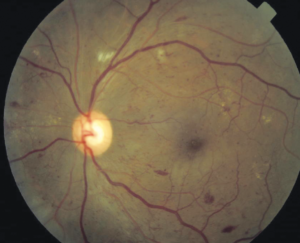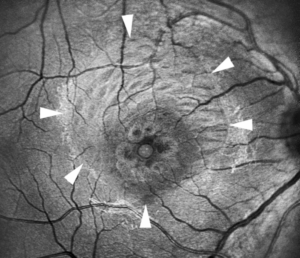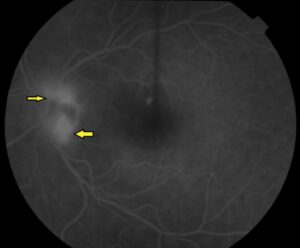

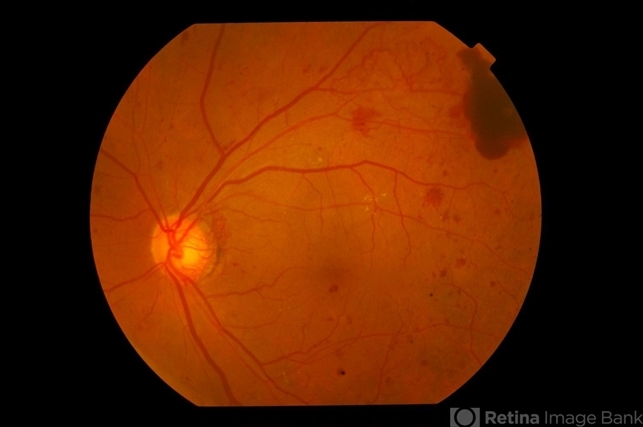
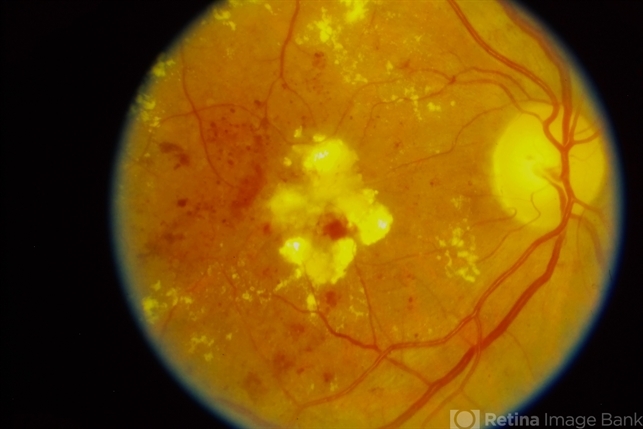
Diabetic Retinopathy (DR) stands as a significant ocular complication of diabetes mellitus, impacting the eyes’ blood vessels and potentially leading to severe vision impairment or blindness.
Effective management of diabetic retinopathy involves a combination of medical and surgical approaches aimed at arresting the progression of the disease and preserving visual function.
Medical Management
1- Anti-VEGF Therapy: One of the groundbreaking developments in the medical management of diabetic retinopathy is the advent of anti-vascular endothelial growth factor (anti-VEGF) therapy.
Drugs like ranibizumab, bevacizumab, and aflibercept are administered via intravitreal injections to counteract abnormal blood vessel growth and reduce vascular leakage.
This approach has revolutionized the treatment of diabetic macular edema (DME), a common complication of advanced retinopathy, by targeting the underlying causes and improving visual outcomes.
2- Steroid Injections: Corticosteroid injections, such as triamcinolone acetonide, may be employed to address inflammation and edema in the retina.
These injections modulate the inflammatory response and can be particularly effective in cases where anti-VEGF therapy might not provide the desired results.
However, the choice between anti-VEGF and steroid injections depends on factors like the patient’s response to treatment and the specific characteristics of the retinal condition.
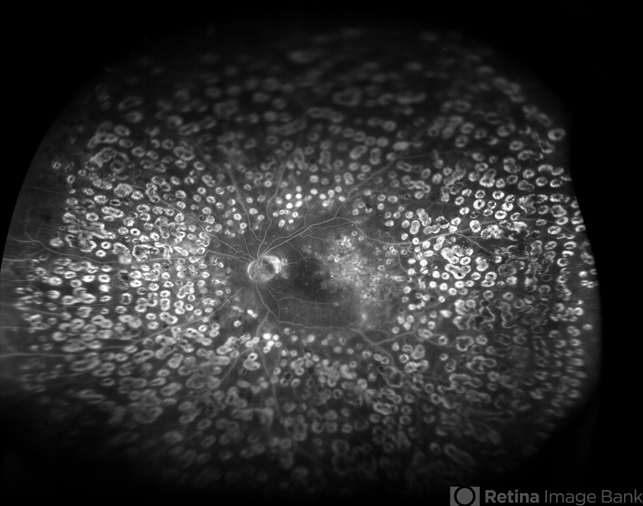
3- Laser Therapy: Laser photocoagulation, a long-established method, remains a valuable tool in the medical arsenal against diabetic retinopathy.
Laser treatment is primarily utilized to address proliferative diabetic retinopathy (PDR), where abnormal blood vessels proliferate on the retina’s surface.
The laser is employed to seal leaking blood vessels and deter the growth of new, fragile vessels. While this method has been widely successful, it is often complemented by other therapies for comprehensive management.
Surgical Management
1- Vitrectomy: In cases where bleeding into the vitreous gel causes significant vision impairment, vitrectomy emerges as a crucial surgical intervention.
This procedure involves the removal of the vitreous gel and any scar tissue that may be impairing vision.
Vitrectomy is particularly beneficial in addressing complications such as vitreous hemorrhage, tractional retinal detachment, or the presence of fibrous bands that distort the retina.
2- Retinal Detachment Repair: Diabetic retinopathy can lead to retinal detachment, a serious condition that requires surgical repair.
Scleral buckling and pneumatic retinopexy are common surgical techniques employed to reattach the detached retina.
Scleral buckling involves placing a silicone band around the eye to counteract the forces pulling the retina away, while pneumatic retinopexy involves injecting a gas bubble into the eye to push the retina back into place.
3- Anti-VEGF Implants: Recent advancements include the development of sustained-release anti-VEGF implants, offering a longer duration of therapeutic effect compared to traditional intravitreal injections.
These implants, such as dexamethasone intravitreal implant and fluocinolone acetonide implant, provide a sustained release of medication over an extended period, reducing the frequency of injections and potentially improving patient compliance.
4- Gene Therapies: Gene therapies are emerging as a promising frontier in the management of diabetic retinopathy.
These therapies aim to address the underlying genetic factors contributing to the development and progression of the disease.
By introducing therapeutic genes into the retina, researchers are exploring ways to modulate cellular functions and prevent or reverse the pathological changes associated with diabetic retinopathy.
Document what you see
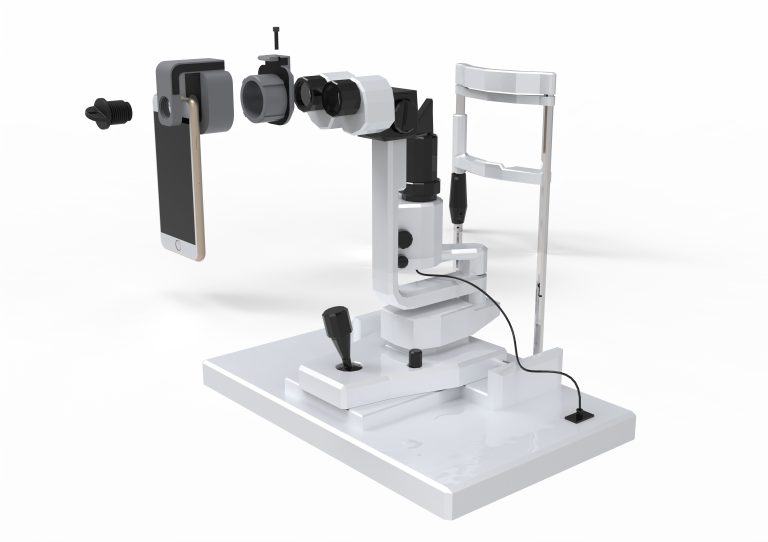
Two smartphone imaging tools built for everyday clinic use — one for the slit lamp, one for the fundus.
From Choroida — the team behind this siteFundus Explorer Pro
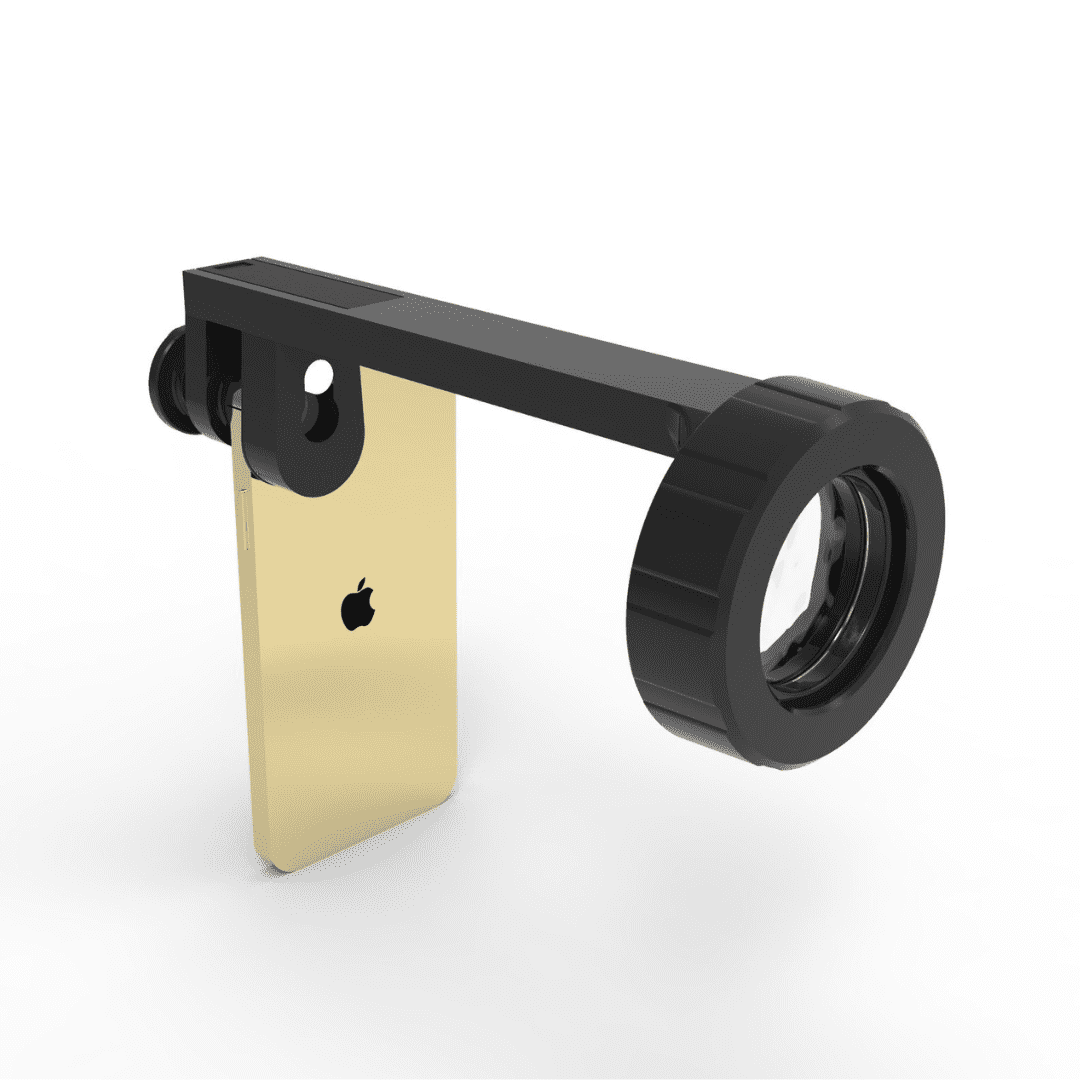
Photograph the retinal findings described here with the phone already in your pocket — 22 D optics and built-in illumination in one handheld unit.
From Choroida — the team behind this siteConclusion
The landscape of diabetic retinopathy management has witnessed remarkable advancements in both medical and surgical approaches.
From the introduction of anti-VEGF therapies that target the root causes of vascular abnormalities to innovative surgical techniques like vitrectomy and anti-VEGF implants, the options for preserving vision in diabetic retinopathy patients have expanded significantly.
However, successful management necessitates a personalized and multidisciplinary approach. Healthcare professionals, including endocrinologists, primary care physicians, and ophthalmologists, must collaborate closely to tailor treatment plans to individual patients’ needs.
Patient education remains paramount, emphasizing the importance of regular eye examinations, lifestyle modifications, and adherence to prescribed treatments
Test yourself
A few questions straight from this article.
-
Intravitreal anti-VEGF therapy in diabetic retinopathy works by which means?
Anti-vascular endothelial growth factor agents are given by intravitreal injection to counteract abnormal blood vessel growth and to reduce vascular leakage. -
Which group of drugs is given by intravitreal injection as anti-VEGF therapy in diabetic retinopathy?
Ranibizumab, bevacizumab and aflibercept are the anti-VEGF agents administered by intravitreal injection in diabetic retinopathy. -
Anti-VEGF therapy has most transformed the treatment of which complication of diabetic retinopathy?
Anti-VEGF therapy revolutionised the treatment of diabetic macular oedema by targeting the underlying vascular causes and improving visual outcomes. -
Triamcinolone acetonide, injected into the eye in diabetic retinal disease, acts as which class of drug?
Triamcinolone acetonide is a corticosteroid injection used to address inflammation and retinal oedema; it works by modulating the inflammatory response. -
In which situation are intravitreal corticosteroid injections particularly considered in diabetic retinopathy?
Steroid injections can be particularly effective where anti-VEGF therapy does not provide the desired result; the choice between them rests on the patient's response and the characteristics of the retinal condition. -
Laser photocoagulation in diabetic retinopathy is primarily directed at which form of the disease?
Laser photocoagulation is primarily used for proliferative diabetic retinopathy, where abnormal new vessels proliferate on the retinal surface, and is often combined with other therapies. -
Vitrectomy becomes a crucial intervention in diabetic retinopathy when which problem is present?
Vitrectomy removes the vitreous gel and any scar tissue impairing vision, and is particularly useful for vitreous haemorrhage, tractional retinal detachment, and fibrous bands that distort the retina. -
What advantage do sustained-release intravitreal implants offer over traditional intravitreal injections?
Sustained-release implants provide medication over an extended period, offering a longer duration of therapeutic effect, reducing injection frequency and potentially improving patient compliance.

Writes and reviews the clinical articles on Educate. Every post is checked against peer-reviewed sources before it goes live.